


Table of Contents
Heavy Rain is an action-adventure title developed by Quantic Dream where you assume the role of four protagonists and must make decisions that shape the course of the narrative. Each character has their own storyline, and as the plot unfolds, their paths inevitably intersect.
It’s up to you to determine what is right and wrong in this dramatic thriller and make choices according to your principles and values. In this spoiler-free review, I will address key topics and questions about Heavy Rain.
Story and Narrative Overview
Heavy Rain is a psychological thriller centered on emotional storytelling and player agency, following four protagonists connected to the mystery of the Origami Killer. Rather than relying on action sequences, the title builds suspense through investigation, dialogue, and personal drama.
The narrative constantly shifts between characters, allowing events to unfold from multiple perspectives. This structure keeps the mystery engaging and makes it difficult to predict what will happen next.
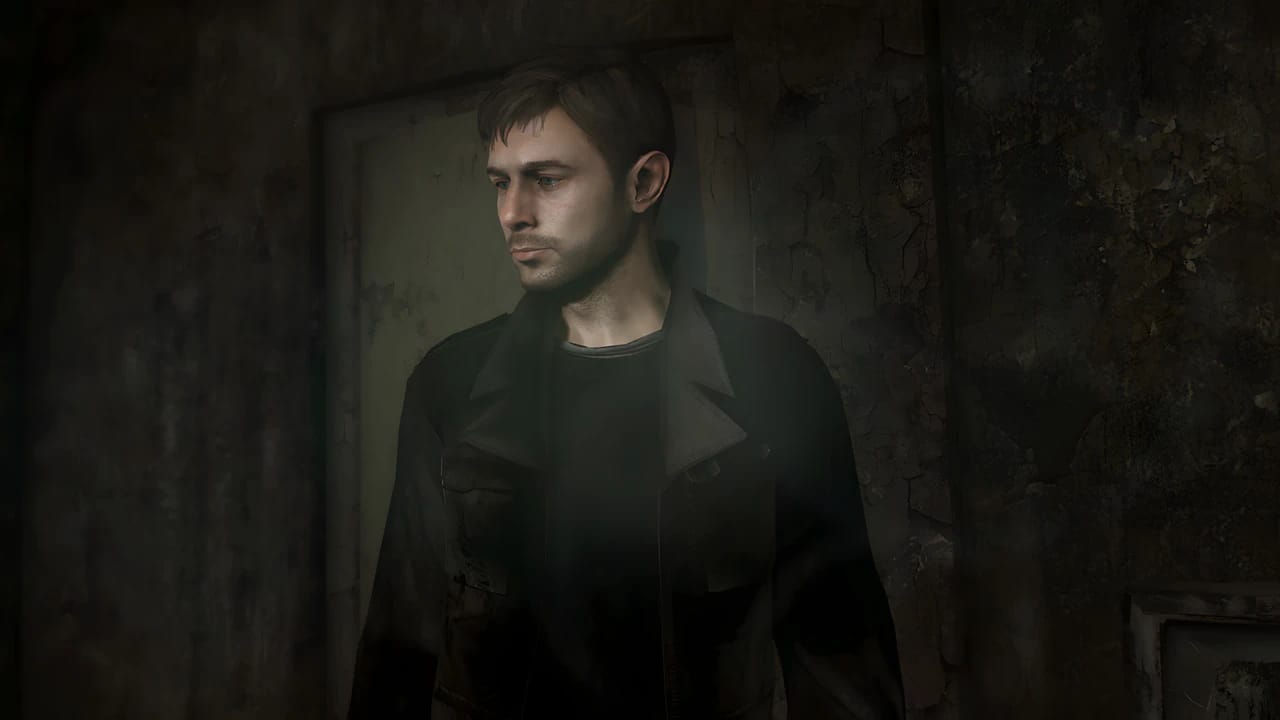
One of the characters that caught my attention most was Norman Jayden. Despite appearing to be a calm and well-intentioned FBI agent, he struggles with drug addiction caused by the constant use of ARI technology, which adds psychological depth to his role throughout the investigation.

Gameplay Mechanics and Interactive Controls
Unlike traditional action titles, Heavy Rain focuses heavily on interactive storytelling and player decisions rather than combat or exploration. Most sequences revolve around dialogue options, investigations, movement interactions, and quick time events that directly influence the outcome of certain scenes.
The controls are relatively simple to understand, but some interactions can initially feel unusual, especially on keyboard and mouse. Many actions require specific movements or timed inputs designed to make scenes feel more cinematic and immersive rather than mechanically complex.
My strong recommendation is to play with a controller. The actions you perform are executed with mouse and keyboard, with the former being much more challenging, especially on higher difficulties and during combat sequences. Several times I missed a move because I released the left mouse button prematurely or made the wrong motion.
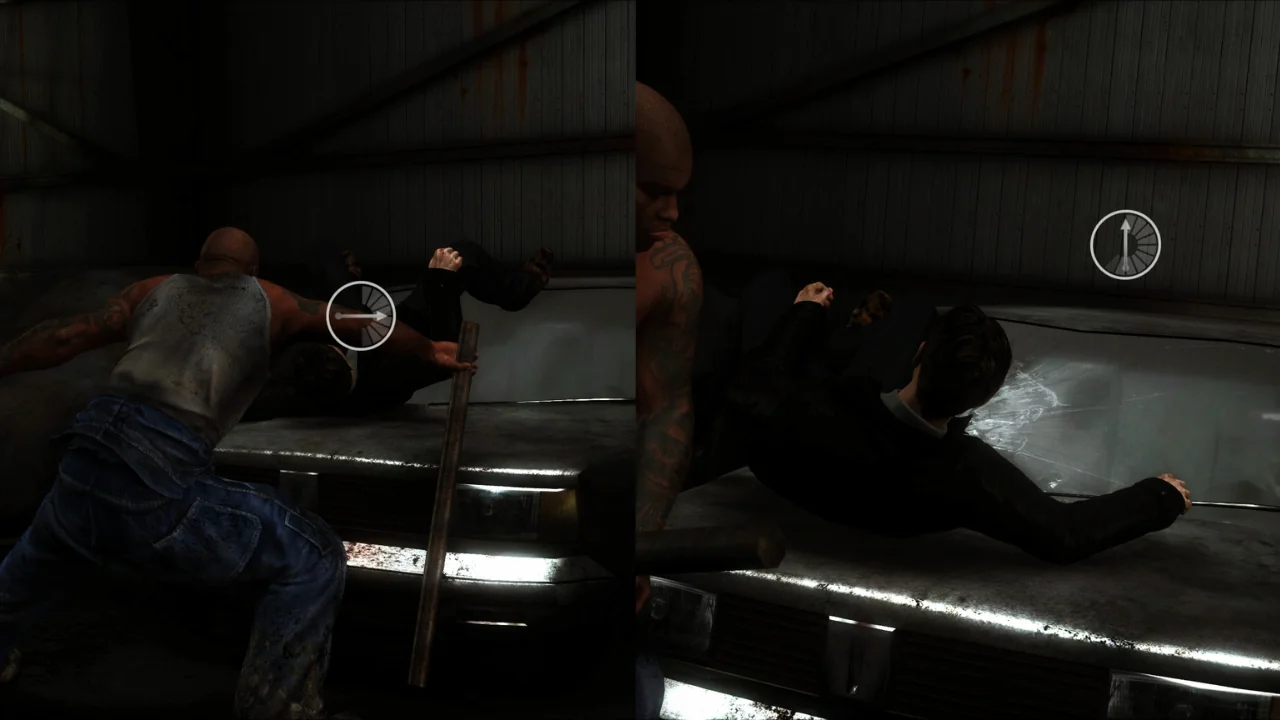
The QTEs (quick time events) also play a major role during action and emotional moments. While they help increase immersion and urgency, some sequences can become frustrating if you fail inputs repeatedly, especially during more intense encounters.
Character Development and Emotional Connection
One of Heavy Rain’s strongest aspects is how it develops its protagonists through emotional pressure and personal struggles rather than traditional character progression. Each playable character has different motivations, personalities, and emotional conflicts that become more complex as the narrative unfolds.
Ethan Mars stands out because of the desperation surrounding his search for his son, while Norman Jayden’s psychological struggles add another layer of tension to the investigation. Even characters like Madison Paige and Scott Shelby gradually reveal more depth through their interactions and choices.
The title also creates emotional attachment by making the player directly responsible for critical decisions. Since characters can suffer consequences or even die depending on your actions, many scenes feel more personal and stressful than in traditional story-driven experiences.
One of the characters that affected me most emotionally was Ethan. A successful architect who, after losing one son to a tragedy, has his other son kidnapped and is also blamed for his own child’s murder. The context is extremely heavy.

At many points in the experience, you’ll feel like you made the wrong choice, or that you should have decided differently. That’s the charm of the title. With 17 different endings, Heavy Rain transforms the player’s journey into something unusual; you’ll never know which conclusion you’ll reach just from the decisions you make. Everything can change with a single event.
Graphics, Facial Animation, and Visual Presentation
Considering its original release period, Heavy Rain still delivers a surprisingly cinematic presentation. While some environments and textures clearly show the title’s age, the visual direction focuses heavily on realism, lighting, and character expressions rather than graphical spectacle.
One of the most impressive aspects is the facial animation system. Character expressions, eye movement, and body language play a major role in communicating emotion during conversations and tense moments, helping many scenes feel more believable and emotionally impactful.
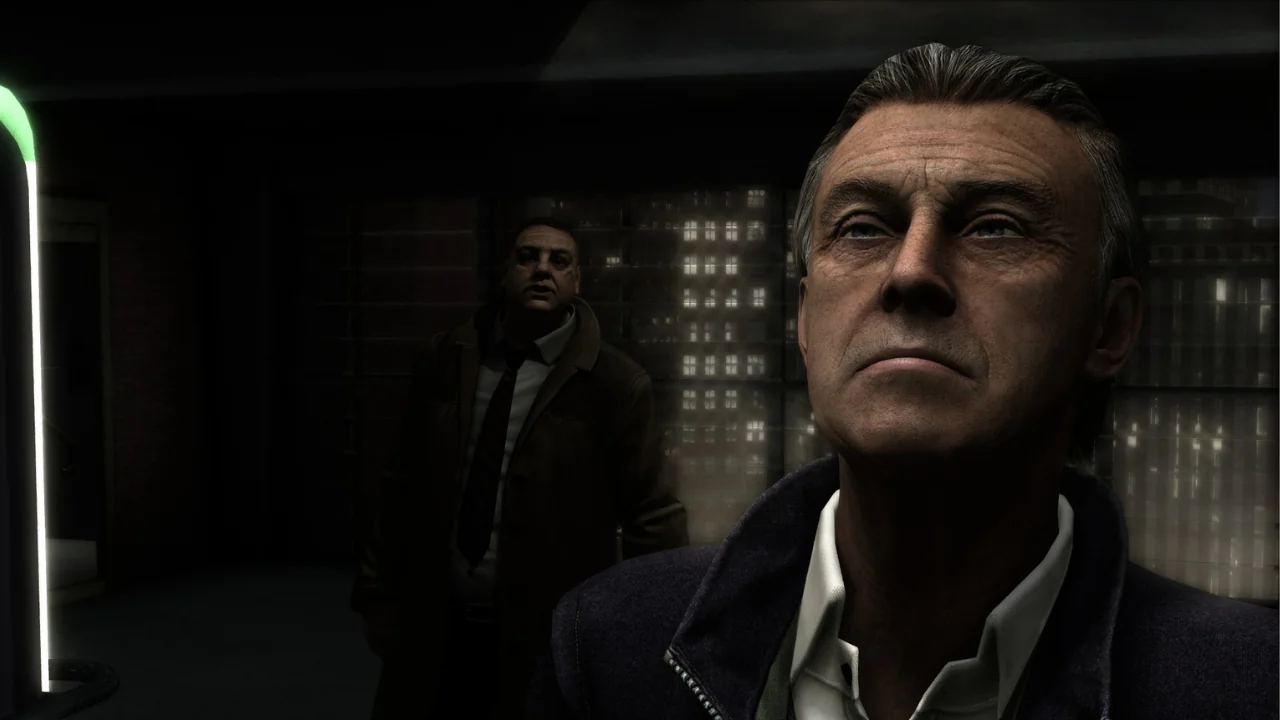
For a 2010 release, it has extremely detailed graphics for its time. During chapter transitions, where the character’s face is shown, you can see the sharpness and detail in the protagonists’ faces, the men’s beards, and their respective facial expressions.

The title also uses lighting and camera angles effectively to reinforce its noir-inspired atmosphere. Rain, shadows, and darker environments constantly contribute to the feeling of tension and uncertainty throughout the investigation.
Soundtrack and Atmospheric Audio Design
The soundtrack is easily one of Heavy Rain’s strongest elements, constantly reinforcing the emotional tone of each scene. Instead of relying on loud or repetitive tracks, the experience uses slower orchestral compositions and ambient sounds to build tension, sadness, and uncertainty throughout the narrative.
Many moments become significantly more impactful because of how the music reacts to the situation. Emotional scenes feel heavier, while investigation and chase sequences gain additional tension through subtle audio design and cinematic pacing.
The environmental audio also plays an important role in immersion. Rainfall, footsteps, distant sounds, and silence are frequently used to create discomfort and maintain suspense even during slower sections.
Besides the extremely cinematic atmosphere, the soundtrack perfectly complements it. For example, during Jayden’s fight with Jack, while Jayden was investigating the area, the soundtrack was suspenseful. After Jayden was subdued and put in his car, the music shifted to tension, and during the fight, it became adrenaline-fueled.
Player Choices and Multiple Endings
One of Heavy Rain’s defining features is how heavily the narrative depends on player decisions. Conversations, investigations, and even small actions can permanently change relationships, character survival, and future events, making many choices feel genuinely stressful.
Unlike many narrative experiences where choices create only minor differences, Heavy Rain allows entire scenes and outcomes to change depending on your actions. Some characters can die long before the ending, which gives the story a stronger sense of unpredictability and consequence.
The title features multiple endings, encouraging replayability for players who want to explore different outcomes and character paths. Knowing that mistakes can permanently affect the narrative also increases tension during quick decisions and action sequences.
Rather than simply rewarding “good” or “bad” decisions, Heavy Rain focuses on moral ambiguity, often forcing the player to choose between difficult or emotionally uncomfortable options. This helps many moments feel more personal and memorable throughout the experience.
Story Pacing and Narrative Engagement
Heavy Rain uses a slower and more deliberate pacing compared to most modern titles, focusing heavily on character interactions, investigations, and emotional buildup rather than constant action. While some chapters move quietly, they help develop the tension and make later moments feel more impactful.
The experience gradually reveals new information through different perspectives, which helps maintain curiosity throughout the investigation. As the mystery surrounding the Origami Killer becomes more complex, it becomes increasingly difficult to predict how events will unfold.
My feeling was that with each chapter, all the protagonists develop their storylines, leading to their future encounters. This creates a really cool sense of interconnectedness between the narratives.
Certain chapters feel much more intense because the slower pacing allows emotional moments and suspense to build naturally over time. This cinematic structure helps many scenes feel more immersive and emotionally engaging than traditional action-focused storytelling.
Quick Time Events and Gameplay Tension
Quick Time Events are one of the core elements of Heavy Rain’s gameplay, appearing during action scenes, investigations, and emotionally intense moments. Instead of functioning as simple cinematic interruptions, these sequences are designed to make the player feel directly involved in what is happening on screen.
Many QTEs become stressful because failing them can permanently alter the story or even lead to a character’s death. This creates constant pressure during chase sequences, fights, and critical decisions, since mistakes often have real consequences rather than simple checkpoints.
The fact that characters can die and completely change the ending makes combat moments much more exciting than they should be. This is another one of Heavy Rain’s strengths.
Investigation Systems and Detective Elements
One of the most interesting gameplay aspects of Heavy Rain is its investigative structure, especially during Norman Jayden’s chapters. Instead of relying purely on action, the experience often slows down to focus on analyzing clues, reconstructing events, and connecting pieces of the mystery surrounding the Origami Killer.
Jayden’s ARI technology makes the environment more interactive, with many more items to investigate than usual. If you enjoy a Batman detective vibe, analyzing the chemical compounds of the environment and trying to deduce a solution, like me, you’ll definitely enjoy the chapters where Jayden conducts his investigations.
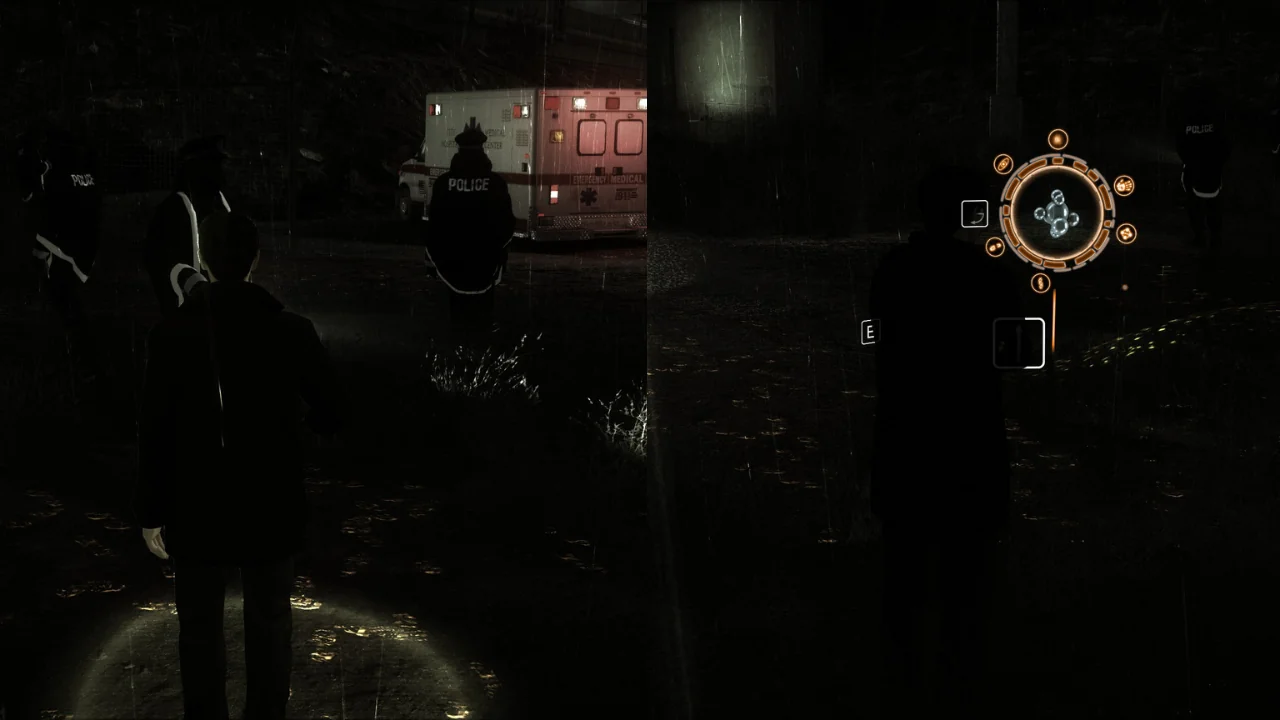
Norman’s ARI system is one of the title’s most unique mechanics, allowing players to scan environments, analyze evidence, and recreate crime scenes using augmented reality technology. These sections help break up the pacing and make the investigation feel more interactive and immersive.
The detective elements also contribute heavily to the atmosphere. Searching environments carefully, questioning suspects, and slowly uncovering information creates tension without relying on constant action or combat.
Although the investigation mechanics are relatively simple compared to dedicated detective titles, they work well within the cinematic structure of Heavy Rain, helping the player feel more connected to the unfolding mystery and its characters.
Game Length and Replay Value
Heavy Rain offers a relatively focused experience, with the main story usually taking around 8 to 10 hours to complete depending on your pace and the choices you make. Since the title is heavily narrative-driven, much of the journey comes from dialogue, investigation, and cinematic sequences rather than traditional gameplay progression.
One of the biggest reasons for replaying is its branching narrative structure. Different decisions can completely alter relationships, scenes, character survival, and the final outcome, making additional playthroughs feel noticeably different in certain moments.
It took me about 10 hours to complete the experience. The way I finished was by exploring as much as possible. If you decide to be a little faster, it will usually take you about 7-9 hours.
The chapter selection system also makes replayability more accessible, allowing players to revisit specific scenes and test different decisions without restarting the entire narrative from the beginning.
Since the title has 17 endings, you can save some of the later chapters to achieve the other conclusions. It will take quite a while to experience all the possible outcomes.
Mature Themes and Psychological Impact
Heavy Rain deals with several mature themes throughout its narrative, including grief, loss, violence, addiction, corruption, and emotional trauma. Rather than using these elements purely for shock value, the experience attempts to explore how extreme situations affect people psychologically and emotionally.
Many scenes are intentionally uncomfortable because the narrative constantly places characters under emotional pressure. Ethan Mars’ storyline, in particular, focuses heavily on guilt, desperation, and the fear of losing family, which gives several moments a much darker emotional tone than traditional action titles.
One of the most psychologically disturbing moments is the chapter “Sleepless Night,” where Madison Paige faces an attempted assault. The scene is intentionally tense and uncomfortable, reinforcing the darker and more mature tone of the narrative.
The experience also explores moral ambiguity through player choices, frequently forcing you to make decisions without a clearly “correct” answer. Some situations can feel psychologically exhausting because the consequences often affect both the characters and the overall direction of the storyline.
Is Heavy Rain Worth Playing Today?

Despite being an older title, Heavy Rain still stands out because of its strong narrative focus and emotional storytelling. While some gameplay mechanics and animations may feel dated compared to modern releases, the overall experience remains engaging thanks to its atmosphere, characters, and branching choices.
One of the biggest strengths is how player decisions directly impact the story. Even today, few narrative-driven titles manage to create the same level of tension and emotional involvement during important choices and character interactions.
If you are of legal age or have no problem dealing with heavier life issues, Heavy Rain is for you. Because of its darker themes and emotionally intense scenes, Heavy Rain may not be suitable for players who are sensitive to psychological tension or disturbing subject matter.
Where to Buy Heavy Rain
You can buy Heavy Rain through the links below and support my work at no additional cost.

Conclusion
Heavy Rain is undoubtedly one of the best decision-making experiences I’ve played, on par with Life is Strange. The title’s strength lies in its well-developed plot and the distinctive characters who can act according to the player’s choices.
The downside is the controls on PC, where I had some difficulty with mouse movements at the start, such as opening a cabinet. Switching to a controller solved this problem.
I recommend the experience to fans of story-driven titles like Life is Strange. Remember, its age rating is 18+. If you want to watch any part of the experience, access my full YouTube playlist.
