

Table of Contents
The Sound Recorder in Phasmophobia is one of the most important additions to the media system introduced in the Chronicle update, allowing players to capture paranormal audio evidence during investigations.
These recordings include whispers, footsteps, laughter, and ghost events, and can significantly increase money and XP rewards at the end of a contract.
Unlike traditional tools, it does not directly identify the ghost. Instead, it works as a paranormal audio capture device, making it essential for players aiming for perfect investigations and high-efficiency runs.
What is the Sound Recorder in Phasmophobia
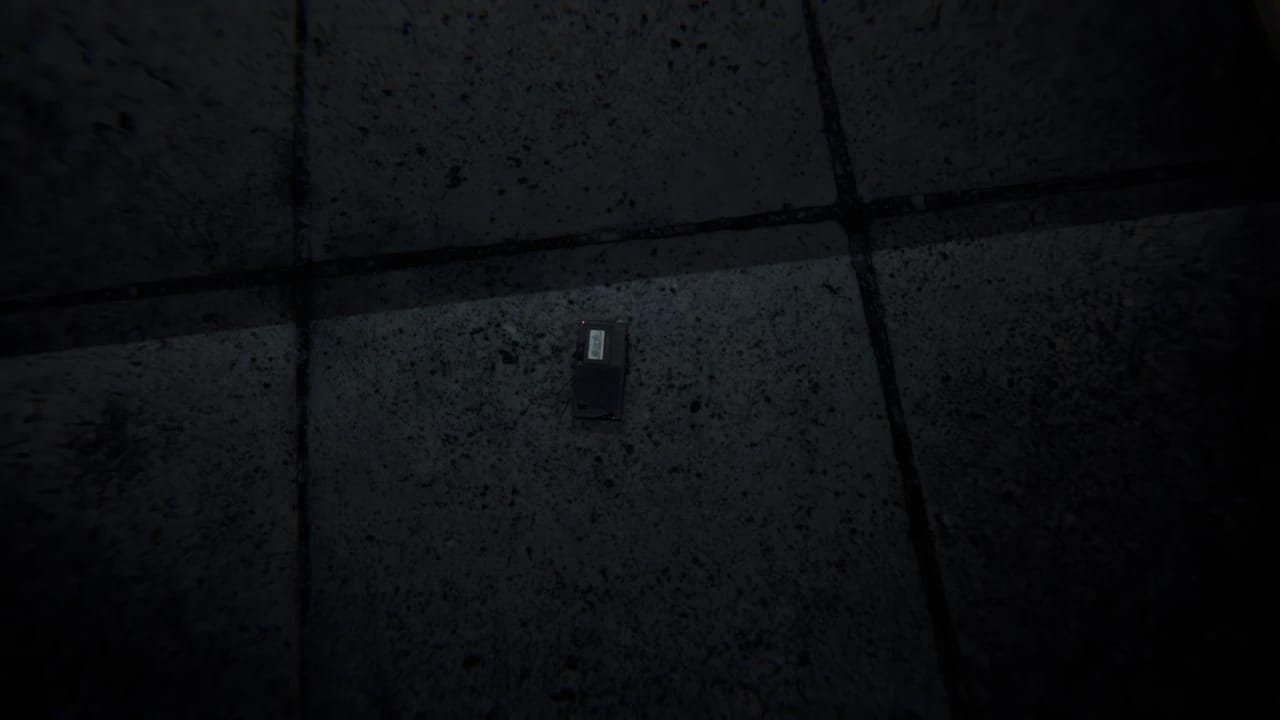
The Sound Recorder is a media equipment item that records supernatural sound events inside the map. It is part of the redesigned evidence system, which now includes photos, videos, and audio recordings.
When a paranormal event occurs nearby, the device detects the sound and allows it to be recorded in the Journal system (in-game diary). These recordings are then stored in the sound media section and can be reviewed after the match.
The system differentiates between unique and duplicate recordings, which directly affects the final score and rewards.
This system was introduced as part of the Chronicle update, designed to encourage active exploration and diverse evidence collection.
How to unlock and upgrade the Sound Recorder
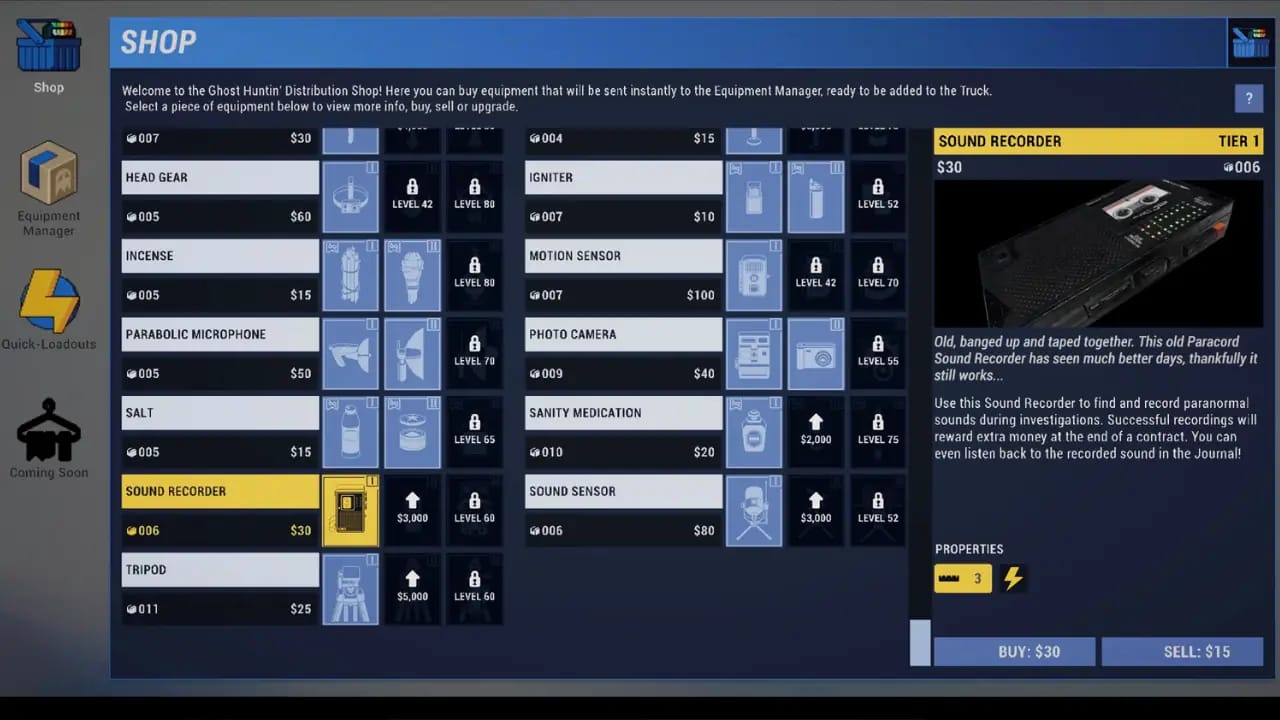
The equipment has three different tiers, unlocked as the player progresses in level. Each version improves audio detection accuracy and signal clarity.
The base version already allows basic recordings, while higher tiers add distance indicators and directional audio feedback, making investigations significantly more efficient in large maps.
How to use the Sound Recorder during an investigation
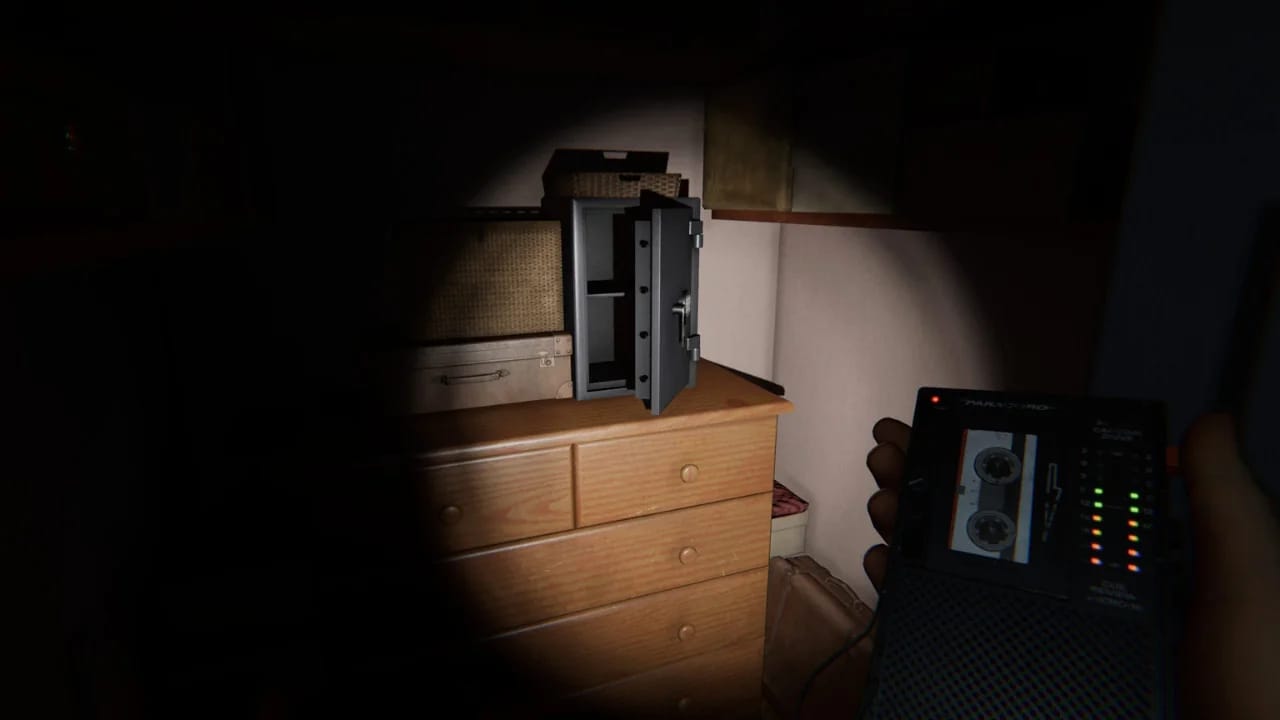
To use the Sound Recorder in Phasmophobia, the player must equip and activate it inside the investigation area. Once active, it begins scanning the environment for valid paranormal audio events.
When a ghost event occurs, the device displays an audio intensity indicator. This acts as a proximity guide: the stronger the signal, the closer the player is to the sound source.
Recording requires the player to be close enough to the correct location and to maintain interaction until the capture is confirmed. The system does not record random ambient sounds—only valid paranormal events with sufficient intensity.
How to locate the sound source correctly
The Sound Recorder works like a “sonic compass” for ghost activity. Players must move through the environment until they find the location where the signal is strongest.
As the player approaches the source, the intensity increases gradually. When moving away, it decreases. This behavior allows players to map the area and identify the ghost room with high precision.
This system is especially useful in large maps where manual audio tracking would be inefficient or unreliable.
How recordings appear in the Journal
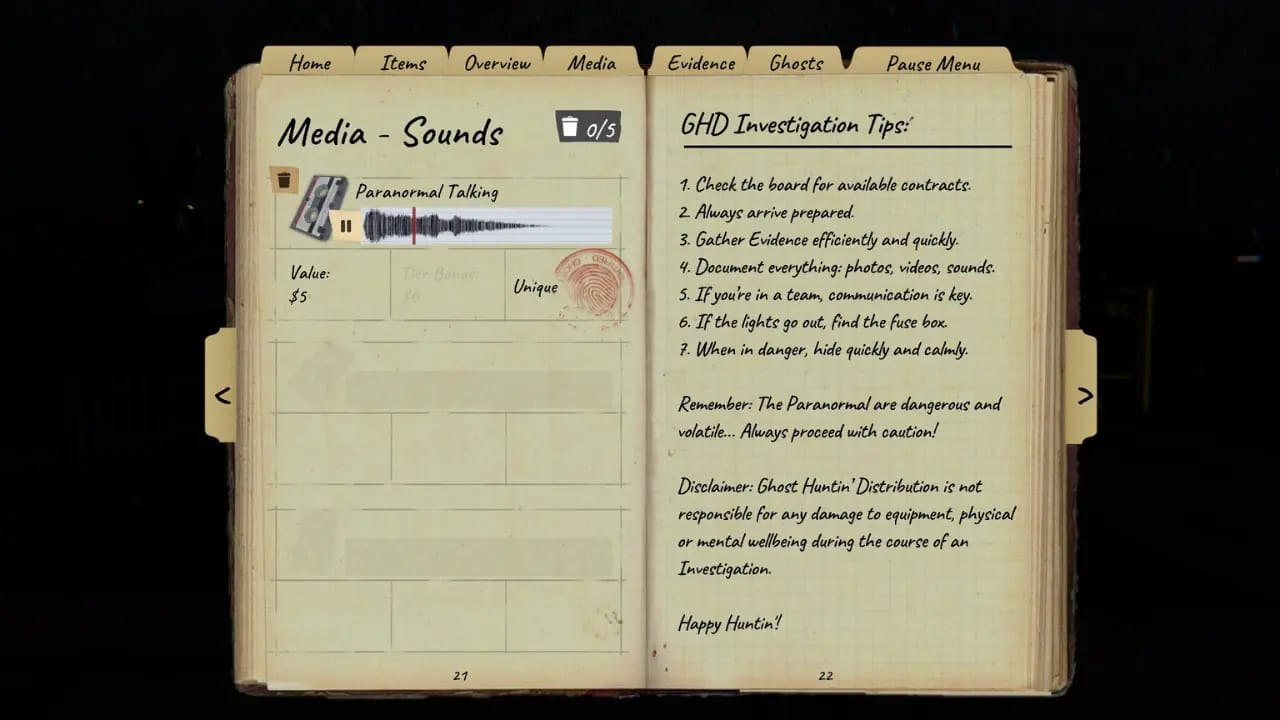
After a successful capture, the audio is automatically saved in the Journal under the sound media tab.
Players can replay the recording and check whether it is classified as unique or duplicate. Only unique recordings provide full reward value, making them more important for optimization.
Common mistakes when using the Sound Recorder
One of the most common mistakes is attempting to record without being close enough to the paranormal sound source, which results in failed captures.
Another frequent issue is stopping the recording before the system confirms completion, causing the audio not to be saved properly.
It is also important to understand that only specific paranormal events are valid recordings, while normal environmental sounds do not count as evidence.
Tips to improve your recordings
The Sound Recorder works best when combined with other detection tools such as motion sensors and cameras.
A highly effective strategy is to slowly explore the suspected ghost room while monitoring the audio intensity indicator, avoiding fast movement that can disrupt signal tracking.
Higher-tier versions significantly improve detection accuracy, reducing the time needed to locate valid events and making investigations much more efficient.