


Table of Contents
Slender: The Arrival is a first-person survival horror game developed by Blue Isle Studios and Parsec Productions. Built around the Slender Man mythos, it expands the fear of being watched and hunted into a more complete horror experience, with darker environments, story clues, chase sequences, light puzzles, and a stronger sense of atmosphere.
You play mainly as Lauren, who arrives at Kate’s house after strange events begin to unfold. From there, the campaign moves through forests, abandoned buildings, dark interiors, and disturbing locations connected to Slender Man’s presence. Instead of relying on combat, Slender: The Arrival focuses on tension, limited visibility, exploration, and the constant fear of being followed.
The experience keeps the core idea that made Slender: The Eight Pages popular, especially the pressure of collecting pages while avoiding Slender Man, but adds more structure, more environments, additional threats, and a clearer narrative. Because of that, Slender: The Arrival feels less like a short experimental horror game and more like a full survival horror campaign.
This review covers the story, gameplay, horror atmosphere, enemy encounters, level design, puzzles, graphics, performance, campaign length, replay value, and whether Slender: The Arrival is still worth playing today.
Story and Slender Man Premise
Slender: The Arrival is built around the legend of Slender Man, a mysterious figure known for stalking people from a distance, appearing in dark places, and creating a constant feeling of paranoia. The premise creates a horror experience based more on tension and vulnerability than on combat.
The story follows Lauren, who goes to visit her friend Kate after receiving a strange message. When she arrives, the house is empty, the power is unstable, and the environment already feels wrong. From that point on, the campaign gradually reveals that something disturbing has happened, and Slender Man becomes harder to ignore.
The setup is simple, but it works well for this type of horror game. You are not playing as a fighter, soldier, or survival expert. You are mostly defenseless, forced to explore dark areas, collect clues, solve light objectives, and avoid being caught. This makes the story feel more personal and vulnerable.
The connection to Slender: The Eight Pages is also important. Slender: The Arrival keeps the idea of collecting pages while being hunted, but expands it into a more structured campaign. Instead of only walking through a forest looking for notes, it adds different locations, story documents, chase sections, and more context around Kate, Lauren, and the threat surrounding them.
What makes the premise effective is the constant feeling that Slender Man is not just another enemy. He feels more like a presence. Sometimes he appears directly, but even when he is not visible, the title uses darkness, sound, empty spaces, and environmental details to make you feel watched.
The mystery is not gripping enough to carry the whole experience by itself, but if you give it a chance and read the letters during the campaign, the story makes much more sense than if you simply rush through it.
In practice, the story in Slender: The Arrival is not extremely complex, but it gives enough context to make the horror more effective. The experience works best when it focuses on mystery, isolation, and the fear of being followed by something you do not fully understand.
The classic 8 pages objective returns, but the sequel surrounds it with a more detailed setting, light puzzles, and additional survival sections.
Gameplay, Objectives, and Survival Mechanics
Slender: The Arrival is a first-person survival horror experience focused on exploration, tension, and avoiding danger instead of fighting enemies. The player does not have weapons or a real combat system, so the main challenge comes from moving through dark environments, completing objectives, and surviving while Slender Man or other threats are nearby.
The gameplay is simple, but effective. You explore different areas, collect notes, search for key items, activate generators, follow clues, and try to understand what happened to Kate. The campaign often gives you a clear objective, but the pressure comes from not knowing when Slender Man will appear or how close he is.
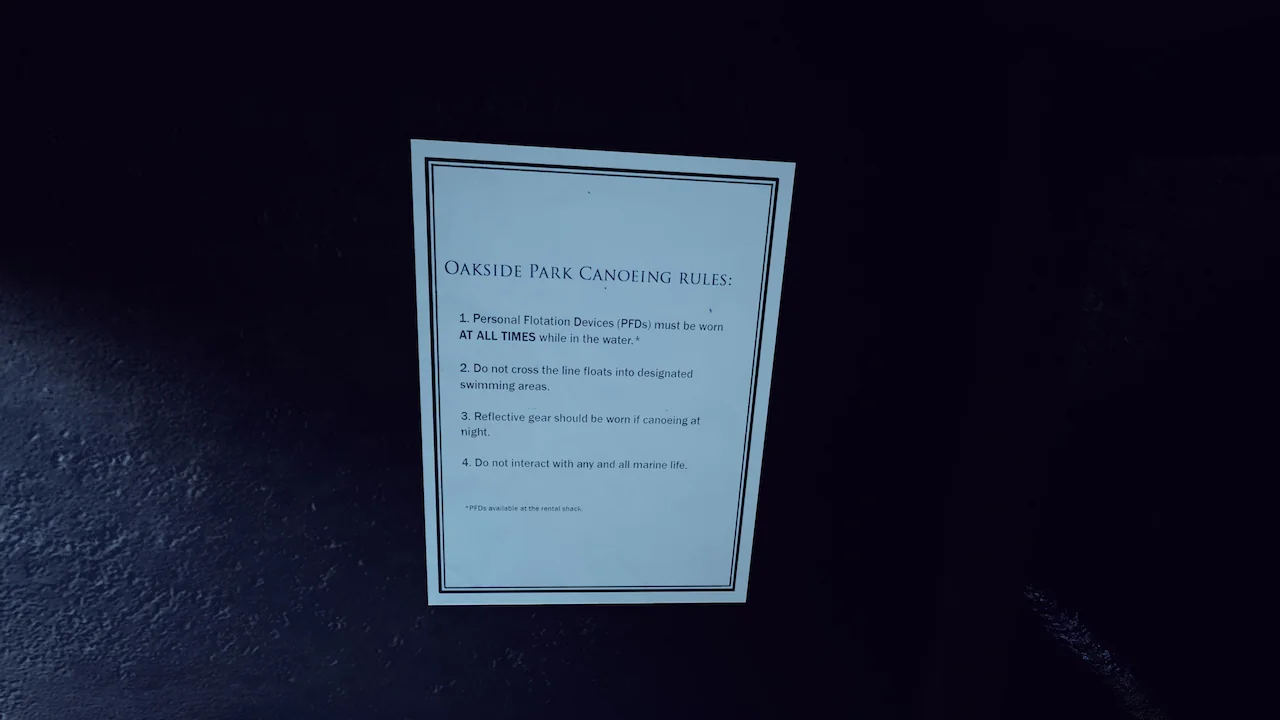
One of the most recognizable objectives is collecting pages, similar to Slender: The Eight Pages. This mechanic works because it creates pressure over time. The more pages you collect, the more dangerous the situation becomes. Slender Man appears more often, the atmosphere becomes more aggressive, and the player has less time to think calmly.
The survival mechanics are based mostly on movement, awareness, and fear management. You need to avoid looking at Slender Man for too long, keep moving, use your flashlight carefully, and pay attention to the environment. Since you cannot fight back, being caught usually means you made a mistake in positioning, awareness, or reaction.
The campaign also adds objectives beyond collecting pages. Some sections involve finding gasoline, activating generators, navigating dark interiors, or escaping from other hostile figures. These moments give Slender: The Arrival more variety than the original Slender game, even though some tasks can still feel repetitive.
What makes the gameplay work is the feeling of vulnerability. You are not powerful, and the game does not give you many tools to defend yourself. The flashlight helps you see, but it does not make you safe. Running can save you for a moment, but it does not remove the threat completely. Because of that, even simple objectives can feel stressful.
The objectives can become repetitive: you either run away from Slender Man, collect pages, or complete another map-specific task. Given the game’s premise, this was not a major problem for me, but it is still worth mentioning.
In short, the gameplay in Slender: The Arrival is straightforward, but it fits the horror style well. The objectives are not mechanically complex, yet the pressure of being hunted makes exploration, page collecting, and survival feel much more intense.
Horror Atmosphere and Sound Design
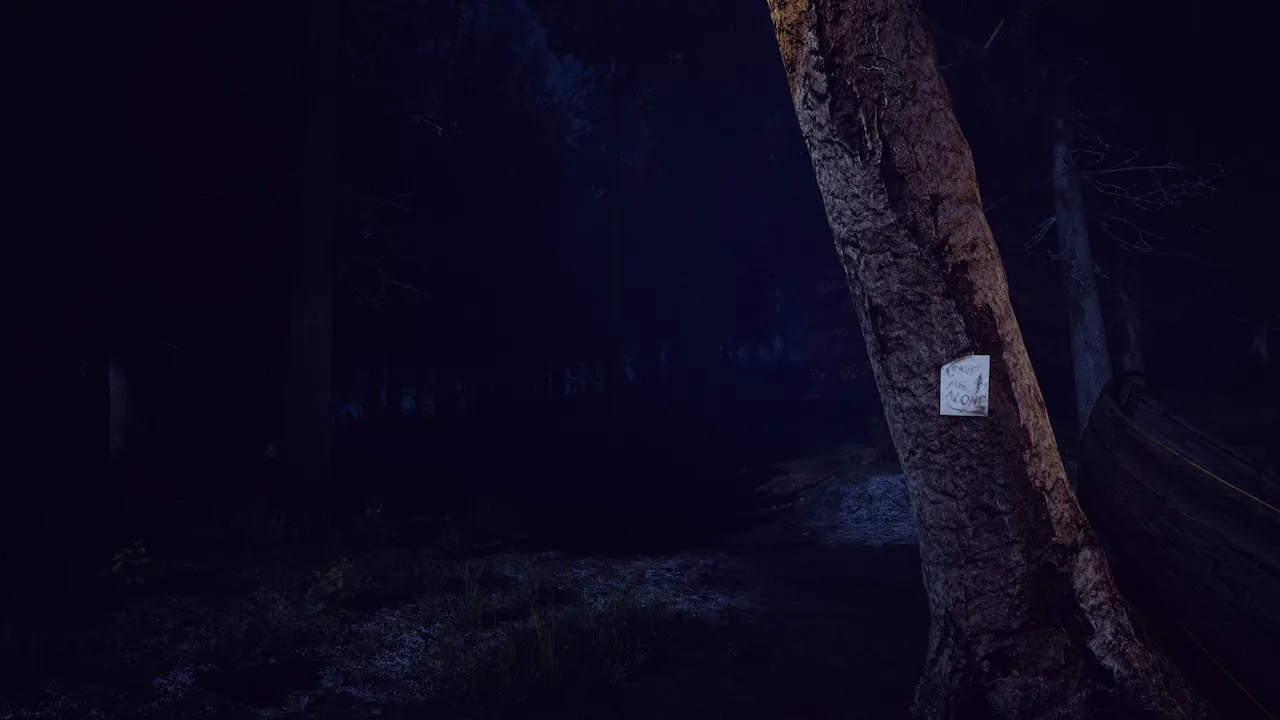
The horror atmosphere is one of the most important parts of Slender: The Arrival. It is not scary because of combat or complex enemies, but because it constantly makes the player feel exposed, watched, and unsafe. Most of the tension comes from walking through dark environments with limited visibility while knowing that Slender Man can appear at any moment.
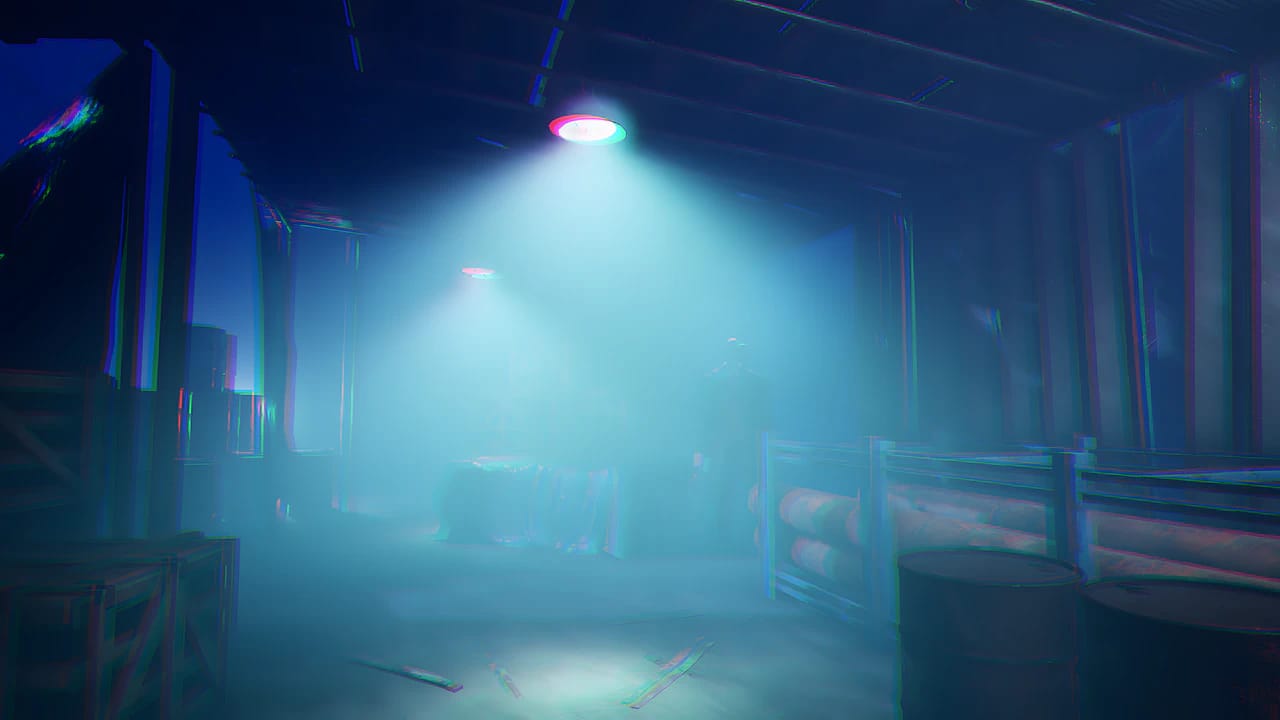
The flashlight plays a big role in this atmosphere. It helps you see, but it also reinforces how dark and uncomfortable many areas are. Forests, abandoned buildings, basements, mines, and empty rooms become more stressful because you can only clearly see a small part of the environment at a time.
Sound design is also essential to the experience. Ambient noises, distant sounds, sudden audio changes, and distorted effects make the world feel hostile even when nothing is directly attacking you. The title often uses silence and low background noise to build tension before something happens, which makes exploration feel more uncomfortable.
Slender Man’s presence becomes more frightening because of how the audio reacts when he is near. Static effects, distorted sound, and visual interference make it clear that you are in danger, but they also create panic because you may not immediately know where he is. This makes the player react emotionally instead of calmly planning every move.
The game also uses enemy sounds and environmental audio to keep the player alert. Footsteps, strange noises, and sudden changes in the soundscape can make you stop and look around, even when there is no immediate threat on screen. This is a simple technique, but it works well for a horror title built around paranoia.
The scariest parts are undoubtedly the chase sequences while collecting the eight pages, especially in the open environment of that chapter, where you never know if Slender Man will appear right in front of you or behind you.
Taken together, the horror atmosphere and sound design are among the strongest parts of Slender: The Arrival. The experience uses darkness, limited visibility, silence, distortion, and sound cues to create tension even before Slender Man appears directly.
Slender Man, Enemy Encounters, and Chase Sections
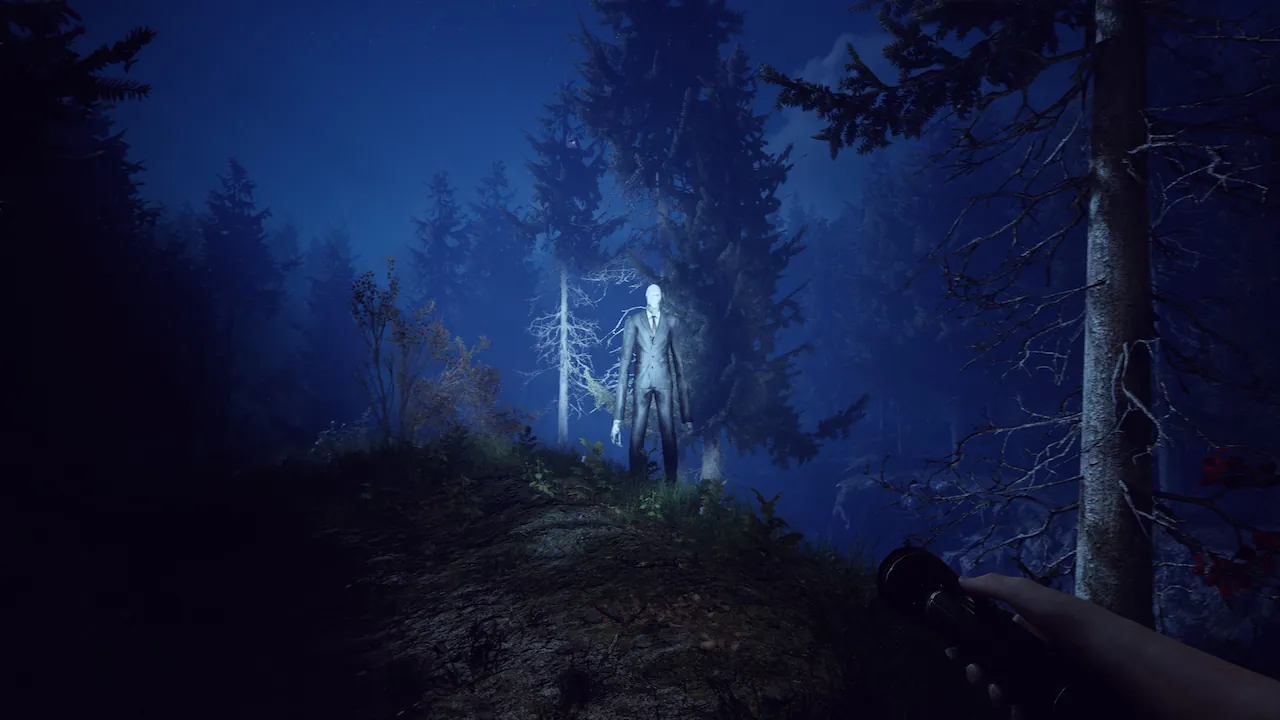
Slender Man is the central threat in Slender: The Arrival, but the campaign uses him more as a presence than a normal enemy. He does not need to chase you constantly to be effective. Sometimes, just seeing him standing in the distance is enough to create tension, because you know that looking at him for too long or getting too close can quickly become dangerous.
This is what makes Slender Man work well as a horror figure. He feels unpredictable. He can appear in the forest, inside buildings, near objectives, or in places where you are already trying to focus on exploration. His presence creates pressure because you are never completely sure if you are safe.
The campaign also uses static, visual distortion, and audio changes to make encounters more stressful. When Slender Man is nearby, the screen and sound begin to react, which makes the player panic and look around quickly. This works because the danger is not always obvious at first. Sometimes you know something is wrong before you clearly see where he is.
Slender: The Arrival also includes chase sections and other hostile encounters beyond Slender Man himself. These moments change the rhythm by making the player move quickly instead of slowly exploring the environment. The focus becomes escaping, reacting, and finding the right path before the threat catches you.
These chase sections help prevent the campaign from feeling like only a page-collecting experience. They add variety and make the structure feel more complete than Slender: The Eight Pages. Instead of repeating the same objective for the entire run, Slender: The Arrival changes the type of fear depending on the chapter.
What I like about the atmosphere is that Slender: The Arrival does not rely only on cheap jump scares. There are sudden moments, but the strongest horror comes from anticipation. The fear of turning around, checking a dark hallway, or realizing that something is closer than expected is what makes it tense.
That said, the enemy encounters are still simple mechanically. You are not fighting back, upgrading weapons, or using complex survival tools. The horror comes from vulnerability, limited visibility, and the pressure of being hunted. If you enjoy horror games where the player feels defenseless, this design works well.
As a result, Slender Man and the chase sections create some of the strongest moments of pressure. The best scares come from not knowing exactly when the threat will appear, how close it is, or whether you have enough time to escape.
Level Design, Exploration, and Puzzle Structure
Slender: The Arrival uses a linear campaign structure, but each chapter usually gives the player enough space to explore, search for clues, and feel lost in uncomfortable environments. It is not open-world, but it does not always feel like a straight hallway either. Forests, abandoned houses, mines, basements, and other dark areas are built to make the player slow down and pay attention.
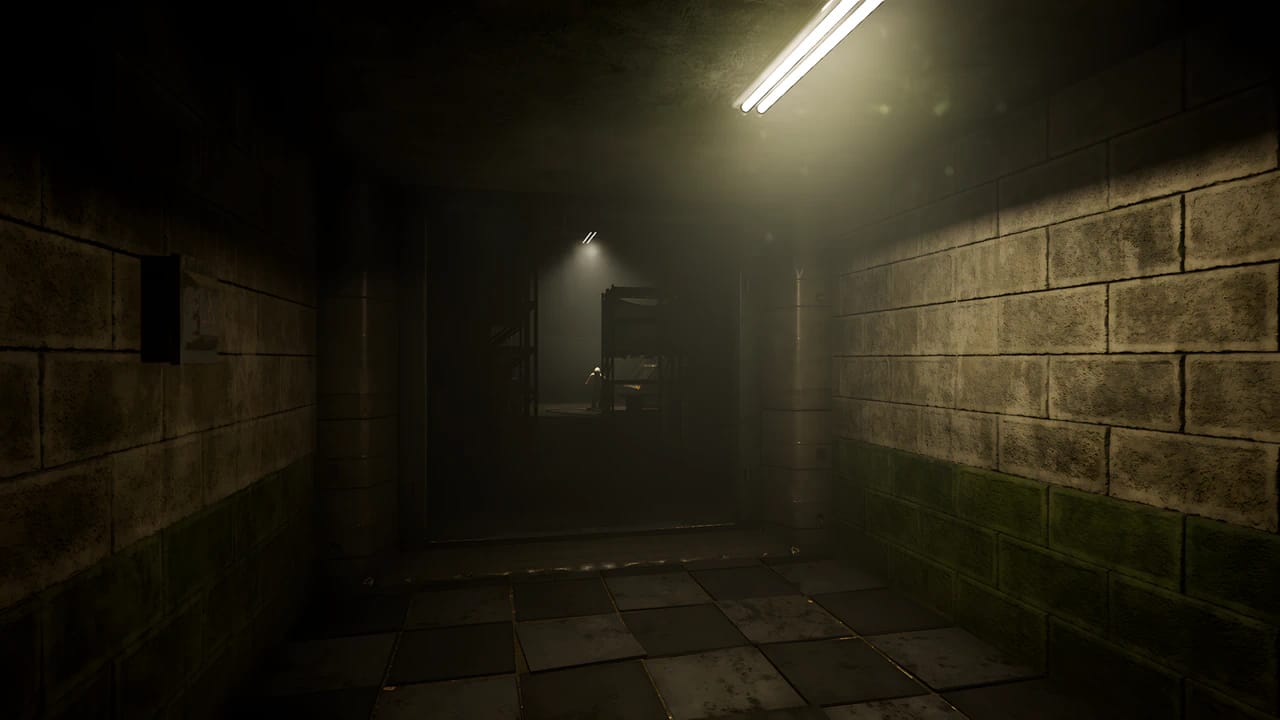
Exploration is important because the game often hides story clues, notes, environmental details, and objective items around the levels. These elements help build the mystery around Kate, Lauren, and Slender Man’s presence. Instead of explaining everything through long cutscenes, the campaign lets you understand more by reading notes, checking objects, and observing the environment.
The puzzle structure is simple, but it fits the type of horror the game is trying to create. Most objectives involve collecting pages, finding keys, locating gasoline, activating generators, following paths, or figuring out where to go next. These are not complex puzzles, but they work because the real pressure comes from the atmosphere and the threat of being hunted.
Some sections are more effective than others. The forest areas work well because they create a strong feeling of disorientation, especially when you are searching for pages while Slender Man becomes more aggressive. Indoor areas, such as houses and darker corridors, feel more claustrophobic and make the flashlight more important.
The game also uses exploration to control pacing. After tense sections, it sometimes gives you quieter moments where you can investigate the environment and piece together the story. Then, it increases the pressure again with enemy appearances, chase sequences, or more dangerous objectives. This structure helps the campaign avoid being only one long page-collecting sequence.
That said, some objectives can feel repetitive. Searching for pages or gasoline works well as a horror setup, but if you get stuck or need to repeat the same area several times, the tension can turn into frustration. This is especially noticeable when the objective is simple, but the threat keeps interrupting your progress.
As a package, the level design, exploration, and puzzle structure in Slender: The Arrival are simple, but effective. The title works best when it uses dark spaces, environmental clues, and light objectives to make the player feel vulnerable instead of relying only on direct scares.
Storytelling, Notes, and Mystery
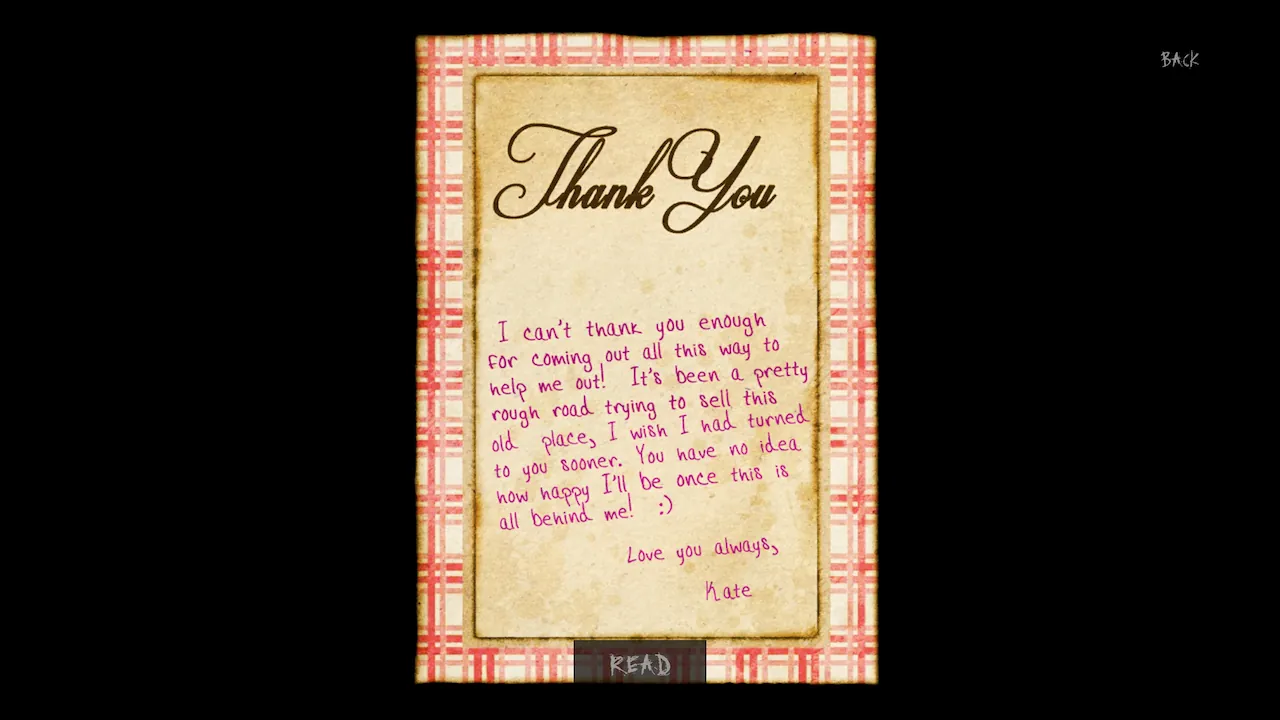
Slender: The Arrival tells most of its story through atmosphere, notes, environmental details, and small clues found throughout the campaign. Instead of explaining everything directly, it lets the player piece together what happened by exploring houses, forests, abandoned areas, and dark interiors connected to Kate and Slender Man.
This style of environmental storytelling works well for a horror game because it keeps the mystery alive. You are not given every answer immediately, and many details are presented through documents, drawings, messages, and objects left behind in the environment. These clues help make the world feel more disturbing because they suggest that something has been wrong for a long time.
The notes are especially important. They are not only collectibles; they help build context around Kate’s situation, the strange events happening around her, and the growing influence of Slender Man. Reading them makes the player feel more involved in the mystery instead of simply running from one objective to another.
The environmental storytelling also helps. Empty rooms, abandoned objects, dark paths, and unsettling locations make the game feel like something happened before you arrived. This gives the story a more personal feeling, because you are not just surviving random horror events. You are trying to understand what happened to someone who was already affected by Slender Man’s presence.
The mystery is simple, but effective. Slender: The Arrival does not need a complicated plot to work. Its strength comes from uncertainty, isolation, and the feeling that the player is slowly discovering pieces of a situation that has already gone too far.
That said, the story is easier to appreciate if you take your time. If you rush through the campaign and ignore the notes, some parts may feel basic or unclear. But if you stop to read the documents and observe the environment, the experience becomes more interesting and more connected.
In the end, the storytelling in Slender: The Arrival is subtle but effective. The notes, clues, and environmental details give the horror more context, while the mystery around Kate, Lauren, and Slender Man helps keep the player engaged beyond the scares.
Graphics, Lighting, and 10th Anniversary Visual Upgrade
Slender: The Arrival became much more visually interesting after its 10th Anniversary update. The original release already worked because of its dark atmosphere and simple horror presentation, but the updated version gives the environments stronger lighting, better textures, improved shadows, and a more polished visual identity.
The lighting is one of the most important improvements. Since Slender: The Arrival depends heavily on darkness, forests, abandoned interiors, basements, and flashlight use, better lighting makes the horror more effective. The updated visuals make dark areas feel deeper, while the flashlight creates stronger contrast between what you can see and what remains hidden.
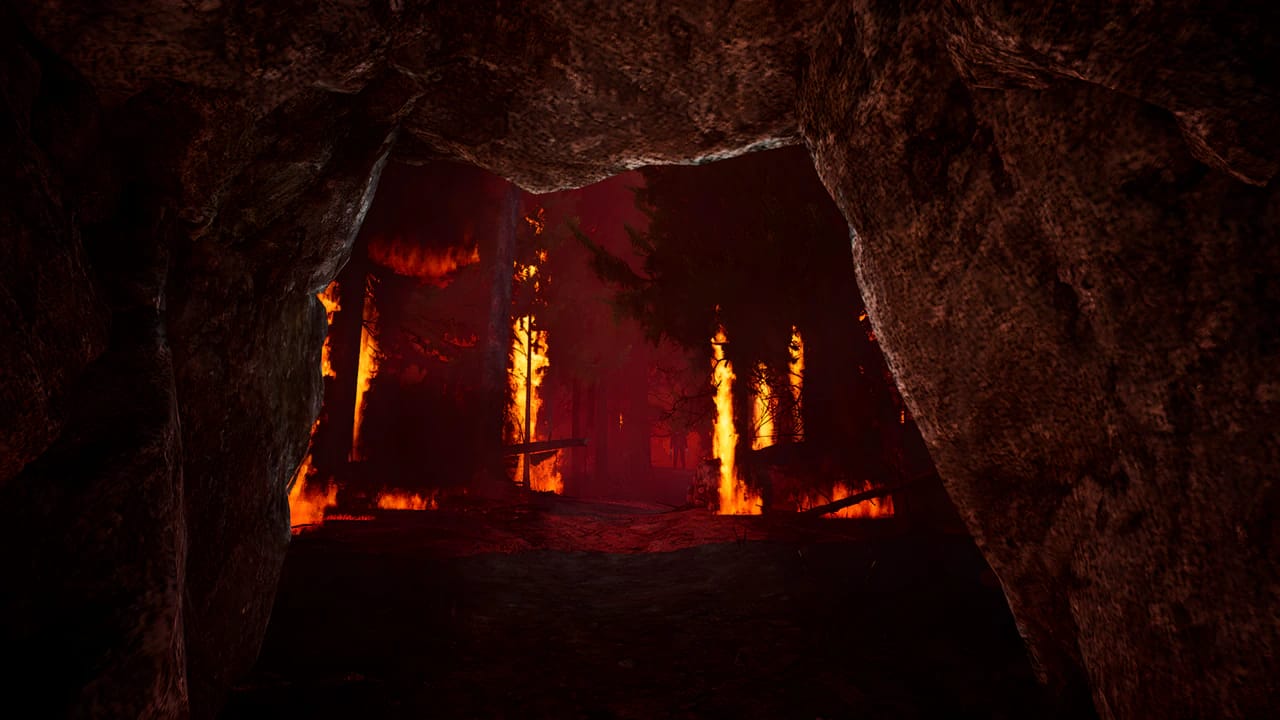
The forest areas benefit a lot from this upgrade. Trees, fog, moonlight, shadows, and distant silhouettes help create a stronger sense of isolation. When Slender Man appears in the distance, the improved lighting makes his presence more noticeable and more disturbing without needing a complicated scare.
Indoor areas also feel better with the visual upgrade. Houses, basements, mines, and abandoned buildings look more detailed and more uncomfortable. The improved materials and shadows make these locations feel less flat, which helps the game maintain tension even when nothing is directly chasing you.
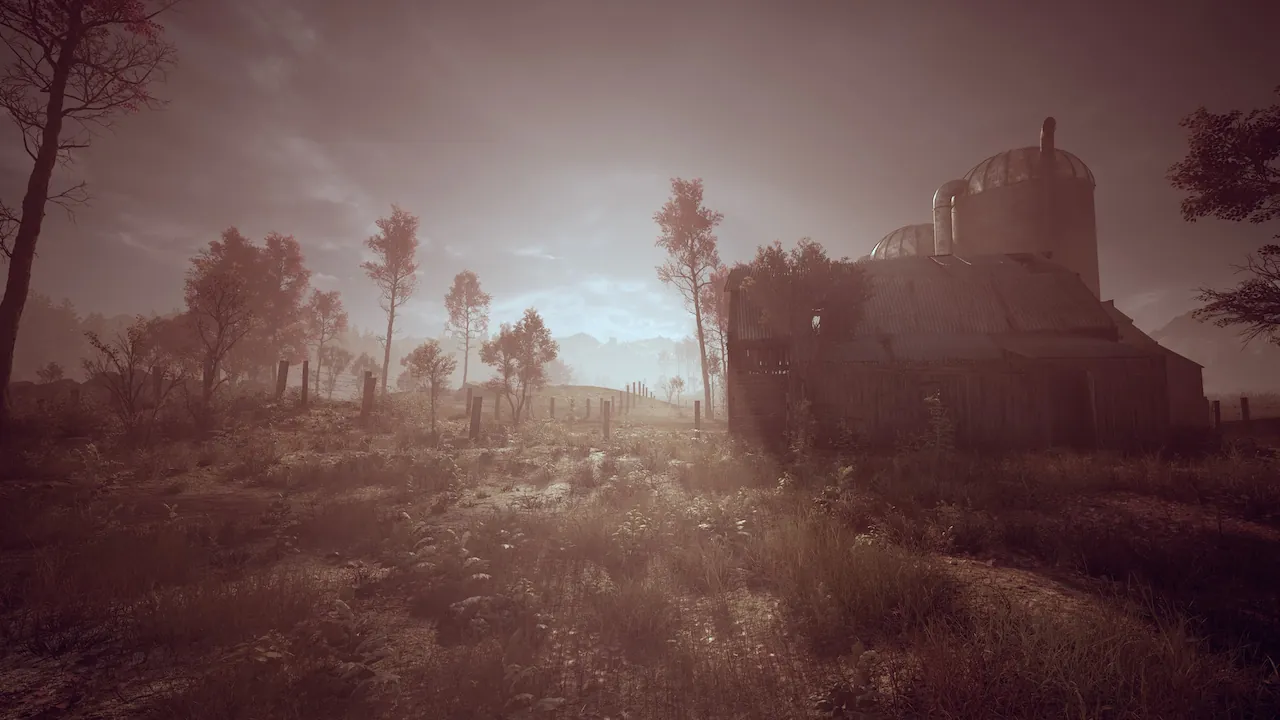
The 10th Anniversary version also helps the game feel less dated. Slender: The Arrival is still a simple horror game mechanically, but the improved graphics make it easier to recommend today, especially for players who care about atmosphere. The upgrade does not completely change the experience, but it makes it more immersive.
That said, the visuals are still mainly built to support horror, not to compete with the most technically advanced modern releases. The important thing is that the graphics, lighting, and atmosphere work together. Slender: The Arrival does not need huge environments or complex visual effects to be effective; it needs darkness, tension, and a constant feeling that something may be watching you.
I actually played the previous version before the 10th Anniversary visual update, and the difference is truly massive. The main changes were environmental shading, greater foliage detail, and better graphical particles.
Visually, the graphics and lighting are much stronger in the updated version of Slender: The Arrival. The 10th Anniversary visual upgrade improves immersion, makes the environments more atmospheric, and helps the horror hold up better for modern players.
Repetition, Pacing, and Short Campaign Length
Slender: The Arrival is a short horror title, and that affects how its pacing feels. The campaign does not have many mechanics, weapons, enemies, or complex systems, so most of the experience depends on atmosphere, exploration, tension, and the fear of being hunted.
For most of the campaign, this works well. The short structure helps the horror stay focused and prevents the experience from becoming bloated. Instead of stretching the content for too long, Slender: The Arrival moves through different locations and horror scenarios at a relatively quick pace.
However, some objectives can feel repetitive. The page-collecting sections are effective because they create pressure while Slender Man becomes more aggressive, but the basic idea is still simple: search the area, collect the items, and avoid being caught. The gasoline section can also feel repetitive for a similar reason, especially if you spend too much time walking around the same area while trying to finish the objective.
This repetition is not enough to ruin the experience, but it is noticeable. Slender: The Arrival is at its best when it changes the type of tension, such as moving from open forest areas to darker interiors, chase sections, story moments, or more atmospheric exploration. When it stays too long on similar collection objectives, the fear can start turning into routine.
The short campaign length helps balance this issue. Since the game does not last too long, the repetitive parts are easier to tolerate. If the campaign were much longer, the simple objective structure would probably become a bigger problem.
In my opinion, repetition is one of the game’s main weaknesses, especially in the page and gasoline sections. Still, because the atmosphere is strong and the campaign is short, these moments did not completely damage the experience for me.
As a short horror campaign, Slender: The Arrival has a focused pace, but it also shows the limits of its simple gameplay. It works best as a compact horror experience rather than a long survival horror campaign with deep mechanics.
Game Length and Replay Value
Slender: The Arrival is a short horror title, but the total playtime can vary depending on how you play. If you already know where to go and focus only on finishing the main objectives, the campaign can be completed relatively quickly. However, if you explore more carefully, read notes, get lost in darker areas, or die several times during chase sections, the runtime can stretch further.
In my playthrough, it took me about 5 hours and 40 minutes to finish the game. Part of that time came from exploration, tension, and learning how each section worked. Since Slender: The Arrival relies heavily on atmosphere and uncertainty, the first playthrough can feel longer than the actual amount of content because you spend a lot of time moving carefully and trying not to be caught.
The campaign length works well for this type of horror game. Slender: The Arrival does not have enough mechanical depth to justify a very long campaign, so the shorter structure helps keep the experience focused. It is at its best when it delivers tension, scares, exploration, and mystery without overstaying its welcome.
Replay value exists, but it is limited. You can replay the game to find missed notes, collect achievements, try higher difficulties, or experience specific chapters again. Some players may also want to revisit the campaign after finishing it once to better understand the story and environmental clues.
However, Slender: The Arrival is not the kind of horror game with strong long-term replayability. Once you know where the scares happen, where the objectives are, and how each chapter works, some of the tension naturally becomes weaker. The first playthrough is the most effective because the fear depends a lot on uncertainty.
For replayability, Slender: The Arrival works best for achievement hunters, horror fans, and players who want to revisit specific moments, but its main value is still the first campaign run. It is short, focused, and more effective as a compact horror experience than as a title you return to many times.
Extended Chapters and Nightmare
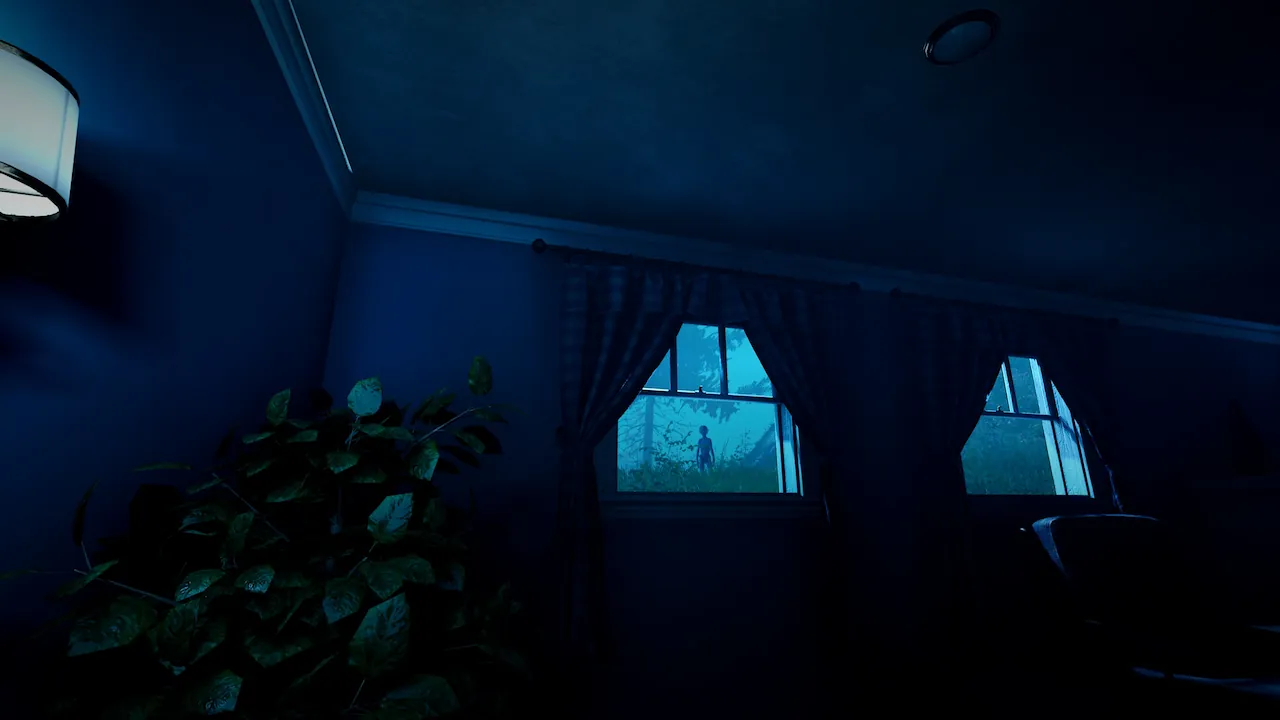
Slender: The Arrival also includes an Extended Chapters section, which adds extra content beyond the main campaign. One of these chapters is Nightmare, an optional scenario introduced in the Anniversary version of the game.
Nightmare focuses on Charles Matheson, Charlie Matheson Jr.’s father, and works more like a disturbing side chapter connected to the game’s wider story. Instead of following Lauren directly, this chapter explores Charles’ psychological collapse, his connection to Charlie, and the hallucinations caused by Slender Man’s influence.
The chapter takes place mainly in a dark hospital-like environment, where Charles searches for a way out while seeing disturbing visions related to his son. This makes Nightmare feel different from the page-collecting sections, because the focus is less on open exploration and more on psychological horror, confusion, and story context.
This extra chapter helps Slender: The Arrival feel more complete because it gives more attention to the Matheson family storyline. It does not completely change the gameplay formula, but it adds more lore, another unsettling location, and a stronger sense of tragedy around Charlie and Charles.
For players who only want to finish the main campaign, Nightmare may feel optional. However, for fans who want to understand more of the story and explore extra horror content, it is worth playing after the main chapters.
Is Slender: The Arrival Worth Playing Today?

Yes, Slender: The Arrival is still worth playing today if you enjoy short horror games, creepy atmosphere, simple survival mechanics, and the Slender Man mythos. It is not mechanically deep, but it still works well as a compact horror experience built around tension, darkness, exploration, and the fear of being watched.
The 10th Anniversary visual upgrade also helps the game feel more modern. Improved lighting, better shadows, stronger environmental detail, and darker atmosphere make the forests, abandoned buildings, and indoor areas more immersive. For a horror game that depends so much on visibility and mood, this upgrade makes a real difference.
The strongest reason to play Slender: The Arrival today is its atmosphere. The game can still create tension through sound design, limited visibility, Slender Man’s presence, and the feeling that something may appear at any moment. It is especially effective during the first playthrough, when you do not know exactly where to go or what to expect.
However, this release is not for everyone. If you want deep gameplay systems, combat, complex puzzles, or a long survival horror campaign, Slender: The Arrival may feel too simple. Some objectives, especially the page-collecting and gasoline sections, can also feel repetitive if you get stuck or have to repeat areas several times.
Because of its short length and limited replay value, I think Slender: The Arrival is easier to recommend on sale. It is a good choice for horror fans, players who remember the original Slender trend, or anyone who wants a short and tense game to finish in one or two sessions.
In my opinion, Slender: The Arrival is worth playing today if you know what to expect. It is not a complex horror game, but it delivers a strong atmosphere, effective scares, a better visual presentation after the update, and a focused Slender Man experience that still has value for fans of the genre.
Where to buy Slender: The Arrival
You can purchase Slender: The Arrival through my links below without changing the final price. By doing so, you help support Games Catalogue and encourage me to bring more quality reviews like this one.
Disclosure: Some links in this section may be affiliate links. If you buy through them, I may earn a small commission at no extra cost to you.

Conclusion
Slender: The Arrival is a short but effective horror experience, especially for players who enjoy tension, dark environments, limited visibility, and the feeling of being hunted. It does not rely on complex mechanics or combat, but uses atmosphere, sound design, notes, exploration, and Slender Man’s presence to create a strong sense of fear.
The 10th Anniversary visual upgrade also helps the game feel more modern, with improved lighting, better shadows, and more immersive environments. Forests, abandoned interiors, and chase sections feel more intense because the experience uses darkness and sound very well.
That said, Slender: The Arrival is not a deep survival horror game. Some objectives, especially the page and gasoline sections, can feel repetitive, and the campaign is relatively short. However, for a focused horror game based on one of the most recognizable creepypasta figures, it still delivers what it promises.
For that reason, I think Slender: The Arrival is worth playing if you enjoy short horror games, atmospheric scares, and the Slender Man mythos. Even if you are not a big fan of the genre, it can still be worth trying, especially on sale.
If you want to watch a specific part of the game, access my full YouTube playlist.
FAQ (Frequently Asked Questions)
Is Slender: The Arrival multiplayer?
No, Slender: The Arrival is mainly a single-player horror game. The developers announced plans for multiplayer as part of future content, but the game’s core experience is still the solo campaign focused on exploration, tension, and surviving Slender Man.
Is Slender: The Arrival good?
Yes, Slender: The Arrival is good if you enjoy short horror games, dark environments, simple objectives, and tense survival gameplay. It is not a deep horror game mechanically, but its atmosphere, sound design, and Slender Man encounters still work well.
Is Slender: The Arrival scary?
Yes, Slender: The Arrival can be scary, especially during the first playthrough. The game uses darkness, sound effects, limited visibility, visual distortion, and Slender Man’s unpredictable appearances to create tension.
Is Slender: The Arrival connected to Marble Hornets?
Yes, there is a connection. The official Slender: The Arrival FAQ says the game’s story was written with Joseph DeLage, Troy Wagner, and Tim Sutton, creators of the Marble Hornets YouTube series.
Is Slender: The Arrival canon to Marble Hornets?
Not exactly. Slender: The Arrival was written with the creators of Marble Hornets, but it should not be treated as a direct canon chapter of the Marble Hornets web series. It is better described as a Slender Man game influenced by and written with people connected to Marble Hornets.
Is Slender: The Arrival hard?
Slender: The Arrival is not hard because of complex controls or combat, but it can be stressful. The difficulty comes from navigation, darkness, chase sections, page collecting, and the pressure of being hunted without being able to fight back.
Is Slender: The Arrival on PS3?
Yes, Slender: The Arrival was released on PlayStation 3. However, the newer 10th Anniversary version is focused on modern platforms, so players should check the current store listing before buying.
Is Slender: The Arrival on PS5?
Yes, Slender: The Arrival is available on PS5 through the 10th Anniversary version listed on the PlayStation Store.
Is Slender: The Arrival a sequel?
Yes. Slender: The Arrival is a follow-up to Slender: The Eight Pages. It expands the original concept with a more structured campaign, new locations, story clues, chase sections, and improved visuals.
How long is Slender: The Arrival?
Slender: The Arrival is a short game. In my playthrough, it took about 5 hours and 40 minutes to finish, but playtime can vary depending on exploration, deaths, difficulty, and how long you spend searching for objectives.
