

Table of Contents
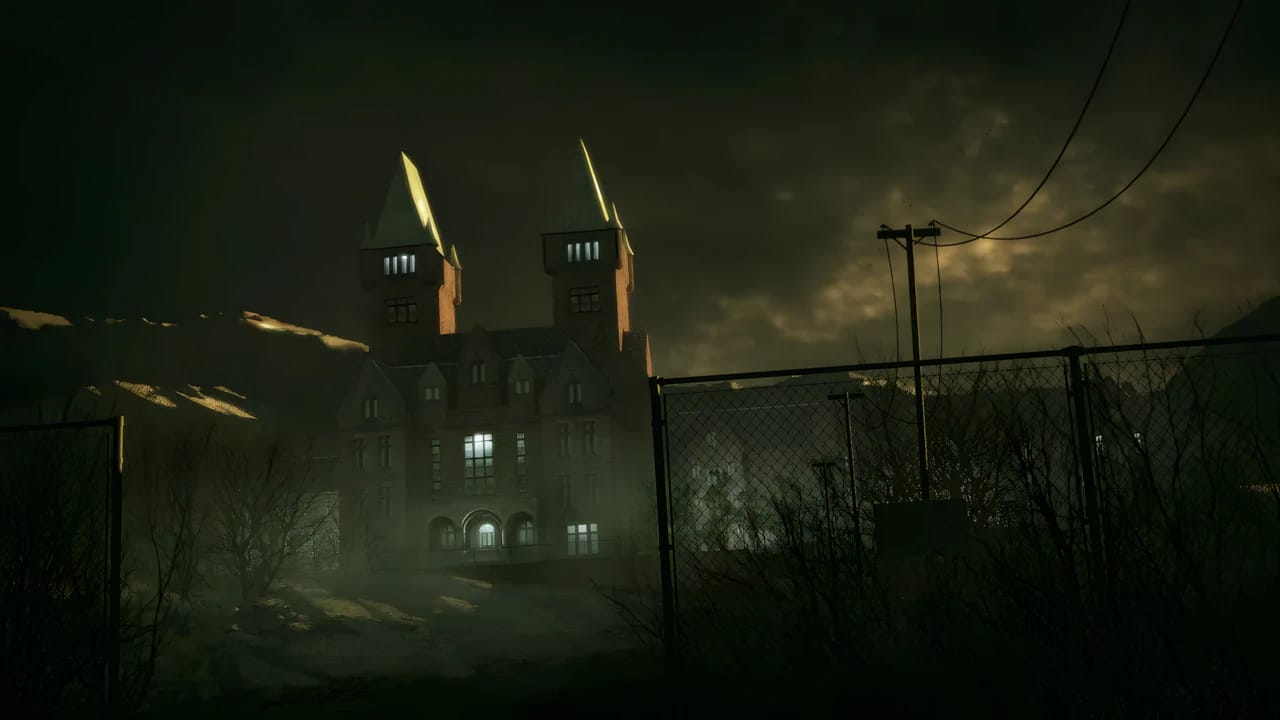
Outlast is a first-person survival horror experience developed by Red Barrels that places you in one of the most unsettling environments in the genre: Mount Massive Asylum. You play as Miles Upshur, an investigative journalist who follows an anonymous tip about illegal experiments being conducted inside the facility.
What starts as a simple investigation quickly escalates into a fight for survival. The asylum is far from abandoned — its corridors are filled with danger, forcing you to rely on stealth, awareness, and quick decision-making rather than combat.
In this review, I’ll break down the core aspects of Outlast — from its atmosphere and gameplay mechanics to its overall value — and whether it’s still worth playing today.
Story and Narrative Overview
Outlast places you in the role of Miles Upshur, an investigative journalist who travels to Mount Massive Asylum after receiving a mysterious tip about illegal activities inside the facility. What initially seems like a simple investigation quickly turns into a desperate fight for survival as the asylum is revealed to be overrun by violent patients and disturbing experiments.
Instead of relying on traditional storytelling methods, the game builds its narrative through environmental details, documents, and recordings captured with your camera. This approach creates a sense of immersion, as you uncover the story piece by piece while exploring the asylum.
The narrative is exceptionally captivating and unfolds organically as you progress through the experience. It functions like a complex puzzle being assembled piece by piece; by the finale, the full picture becomes clear—provided you’ve been paying close attention to the environmental lore.
Overall, Outlast doesn’t rely on complex storytelling, but it succeeds in creating a strong sense of mystery and tension. The narrative works best as a backdrop that enhances the horror experience rather than being the main focus.
Horror Style and Atmosphere
Outlast is built around a psychological survival horror approach rather than action-based fear. Instead of giving you weapons or ways to fight back, the game places you in a vulnerable position where your only options are to run, hide, or avoid danger entirely.
This design choice creates a constant sense of tension. You’re not just reacting to enemies — you’re anticipating them. Every dark hallway, open room, or sudden noise feels like a potential threat, which keeps the experience consistently stressful rather than relying on isolated scary moments.
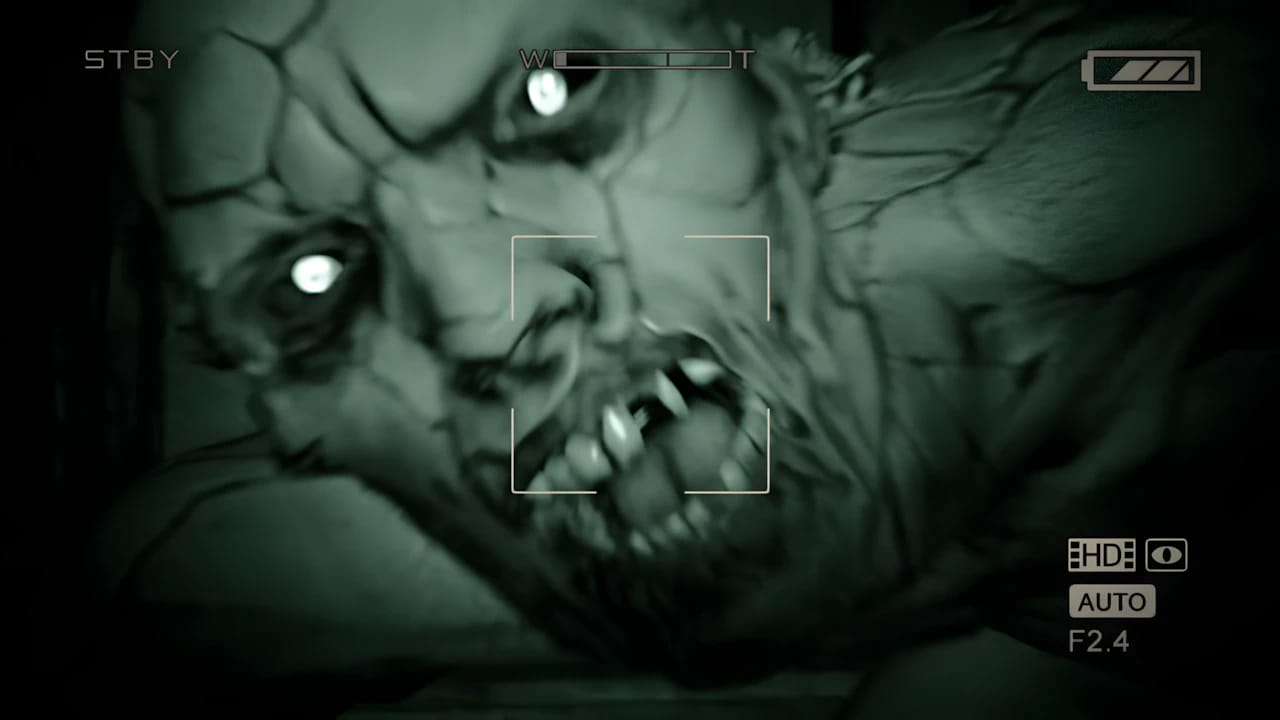
This atmosphere of dread is most palpable in the unlit corridors where evasion is the only option, such as during the harrowing encounters with Chris Walker. Every thunderous footstep he takes instills a sense of urgency and desperation, compounded by the challenge of pinpointing his exact location based on audio cues alone.
Unlike many horror games that rely heavily on jump scares, Outlast focuses more on sustained fear. While there are sudden moments designed to startle you, most of the horror comes from the environment, sound design, and the unpredictability of enemy encounters. The game reinforces this by emphasizing that the real horror comes from human behavior and psychological breakdown rather than purely supernatural elements.
Graphics and Environmental Design
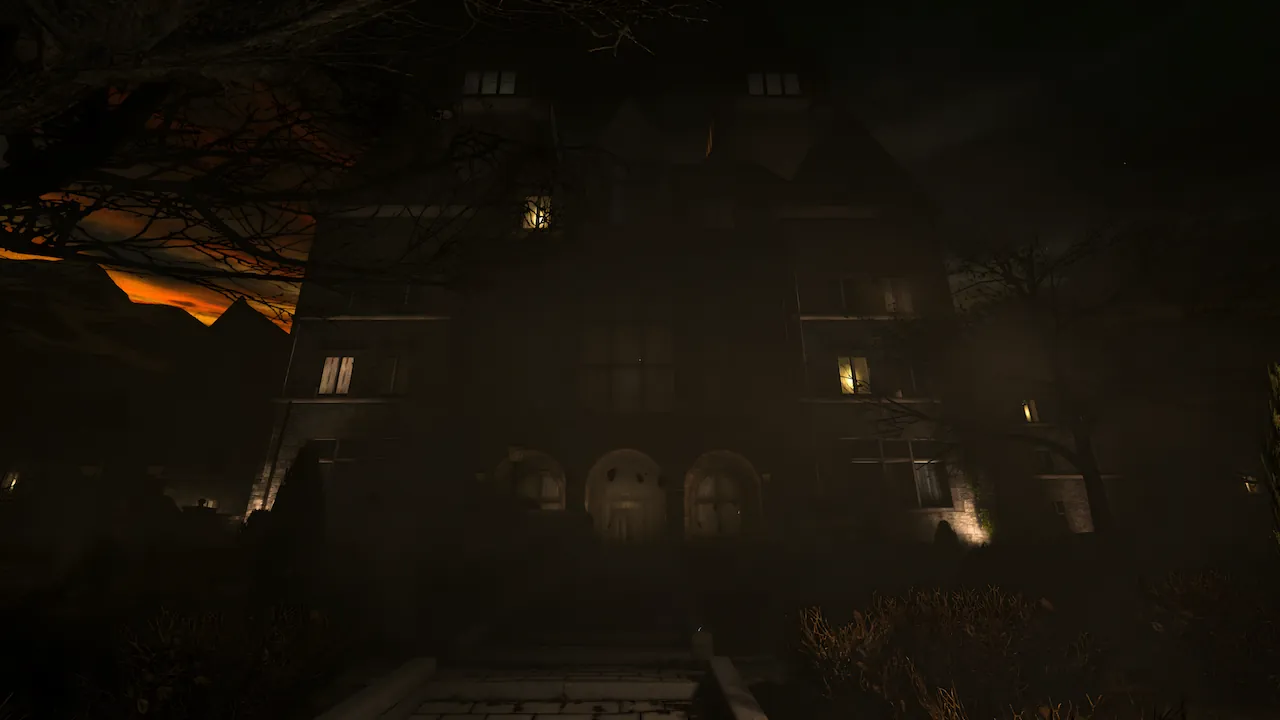
Outlast runs on Unreal Engine 3, and while it doesn’t aim for cutting-edge visuals, it focuses heavily on atmosphere and environmental detail rather than raw graphical fidelity.
The game’s strongest visual element is the design of Mount Massive Asylum itself. The environment feels decayed, claustrophobic, and believable — with blood-stained corridors, broken equipment, and abandoned rooms that tell their own story without needing dialogue. Instead of looking “beautiful,” the game prioritizes discomfort and realism in its setting.
For the most part, the environmental palette is dominated by muted browns, desaturated tones, and heavy greys, intentionally designed to evoke a thick, oppressive atmosphere of dread. Despite the technical limitations of Unreal Engine 3, the character detailing remains surprisingly effective in conveying the grotesque nature of the asylum’s inhabitants.
The night vision effect itself adds film grain, noise, and limited visibility, reinforcing the “found footage” style the game is inspired by. This not only affects how the game looks but also how you interpret the environment — shapes and enemies can be harder to identify, increasing tension.
The integration between the protagonist and the camcorder is masterfully executed. Unlike many titles where camera shake feels artificial or jarring, the movement here remains fluid and consistent with Miles’ pace, maintaining a grounded sense of immersion even during high-speed sprints.
Character models and animations are functional rather than highly detailed, but they serve their purpose. The unsettling design of enemies — especially their movements and facial expressions — contributes more to the horror than graphical realism alone.
Chris Walker remains one of the most genuinely terrifying adversaries in the game. His hulking, imposing frame, coupled with the thunderous, booming sound of his footsteps, created an agonizing sense of tension during every pursuit.
Gameplay Mechanics and Core Systems
At its core, Outlast is built around stealth and survival, rather than combat. You play from a first-person perspective and can perform basic actions like walking, running, crouching, climbing, and vaulting over obstacles — but you cannot fight back against enemies.
The core gameplay loop is intentionally minimalist, stripping away combat to focus on two fundamental pillars: scavenging for batteries to power your camcorder and finding strategic locations to hide from your pursuers.
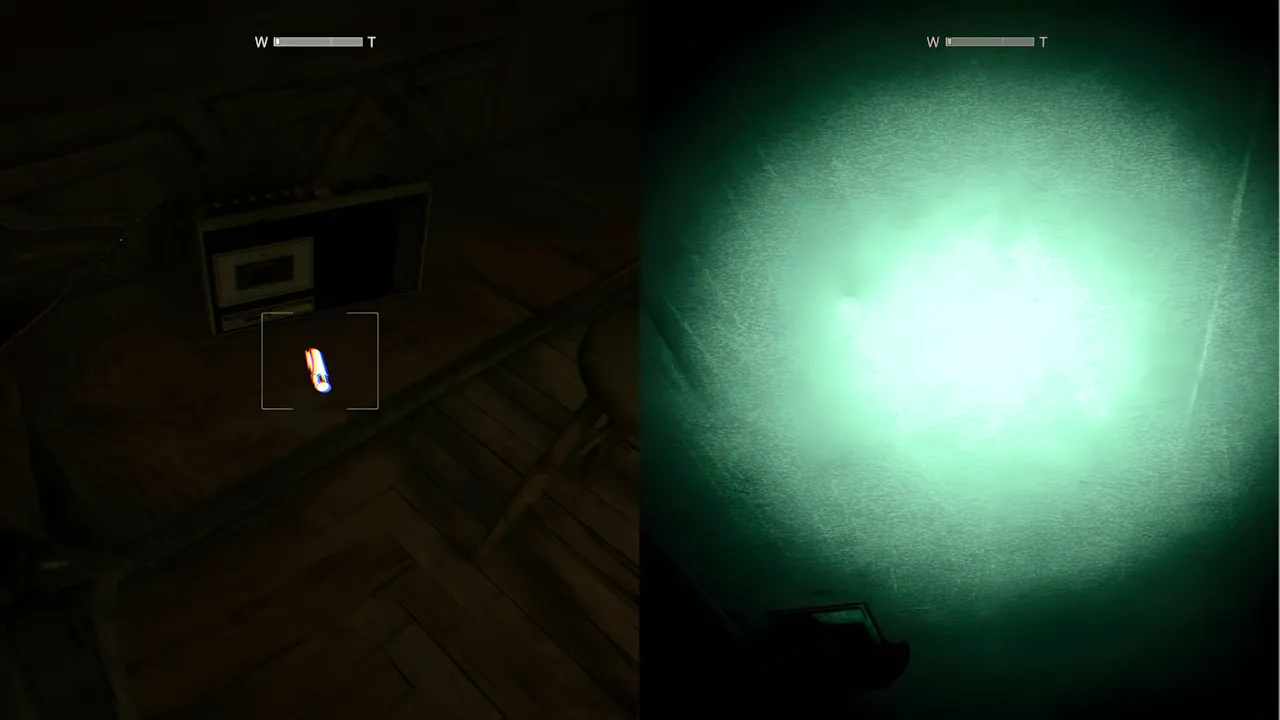
This design fundamentally changes how you approach the game. Instead of confronting threats, your main options are to hide, avoid detection, or escape. You’ll often find yourself hiding inside lockers, under beds, or sneaking through dark areas to avoid being spotted.
The Camera System (Core Mechanic)
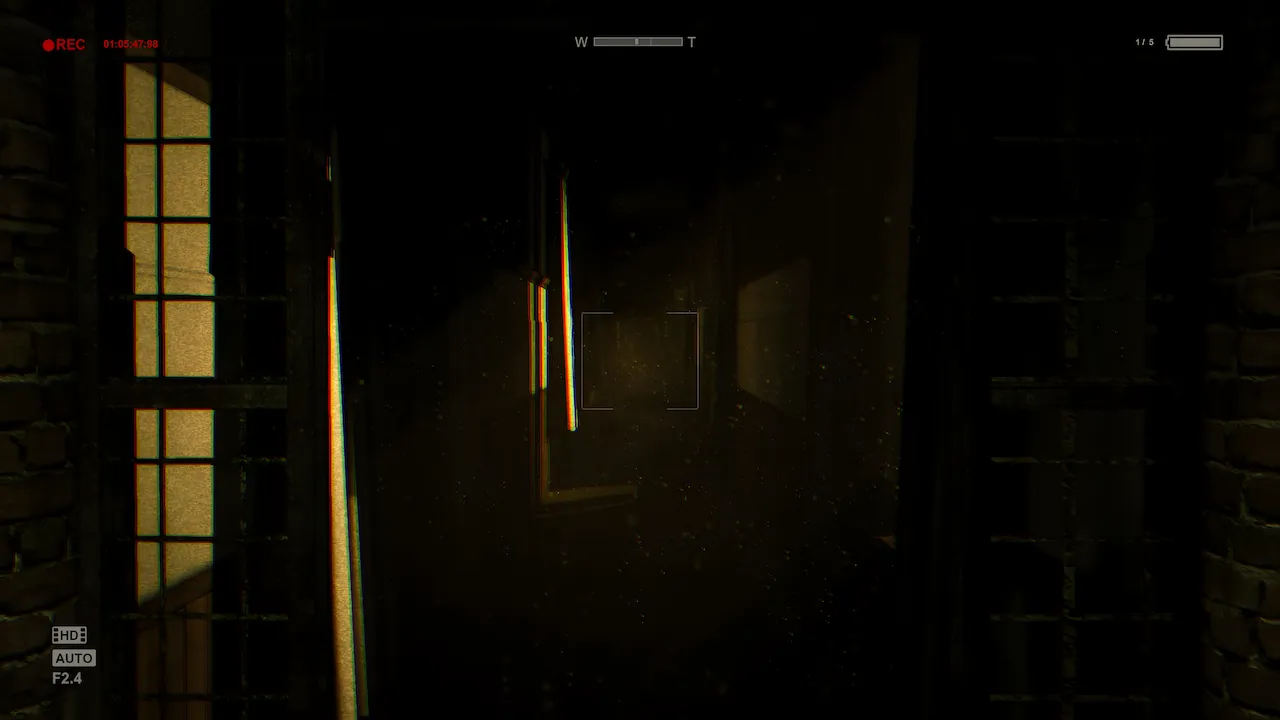
The most important system in Outlast is the camcorder, which allows you to navigate dark environments using night vision. Since many areas are completely unlit, this tool becomes essential for progression. E também permite dar zoom, para enxergar mais de longe
However, using night vision drains your battery over time, forcing you to constantly search for replacements scattered throughout the environment.
Resource Management and Exploration
Unlike many horror games, Outlast doesn’t overload you with systems. Instead, it focuses on a few core mechanics and builds tension around them. Managing your batteries becomes a key part of survival, especially in longer sections where darkness is unavoidable.
Chase and Escape Design
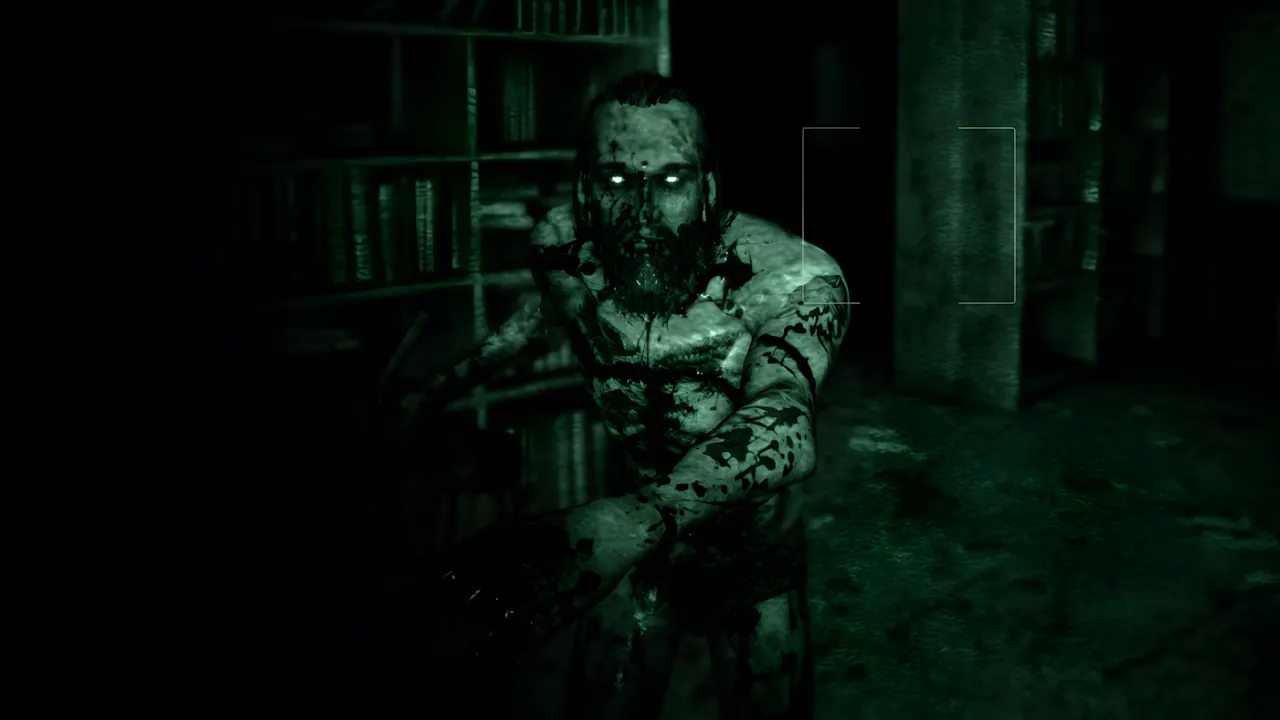
When you’re spotted, the game shifts into intense chase sequences. Enemies rely on sound and line of sight, meaning your movement, positioning, and decisions directly impact survival.
These moments are fast, chaotic, and often disorienting — especially in dark environments where visibility is limited.
At various points, the experience devolves into a repetitive ‘cat-and-mouse’ dynamic. You hide, wait for the threat to retreat, and emerge only to find the AI lingering nearby or anticipating your path. I found myself trapped in this loop for nearly thirty minutes in certain sections, which can feel less like a horror thrill and more like a tedious cycle of trial and error.
Difficulty and Learning Curve
Outlast approaches difficulty very differently from most games. Instead of relying on combat skills or upgrades, the challenge comes from survival under pressure — where a single mistake can quickly lead to death. Since you can’t fight back, every encounter forces you to think defensively rather than aggressively.
The learning curve is heavily based on trial and adaptation. You learn by failing — figuring out enemy patrols, escape routes, and safe hiding spots through repeated attempts. Over time, what initially feels overwhelming becomes more manageable as you start anticipating threats and reacting more calmly.
Another important factor is how the game builds tension even when you’re not in immediate danger. You’re constantly second-guessing your decisions: whether to run, hide, or conserve resources. This mental pressure is a big part of what makes the difficulty feel intense rather than purely mechanical.
Tension vs Jump Scares Balance
Outlast uses a combination of constant tension and sudden jump scares, but the core of its horror comes from sustained psychological pressure rather than isolated moments of surprise. The game keeps you in a vulnerable state almost all the time — navigating darkness, managing limited resources, and anticipating threats that may or may not appear.
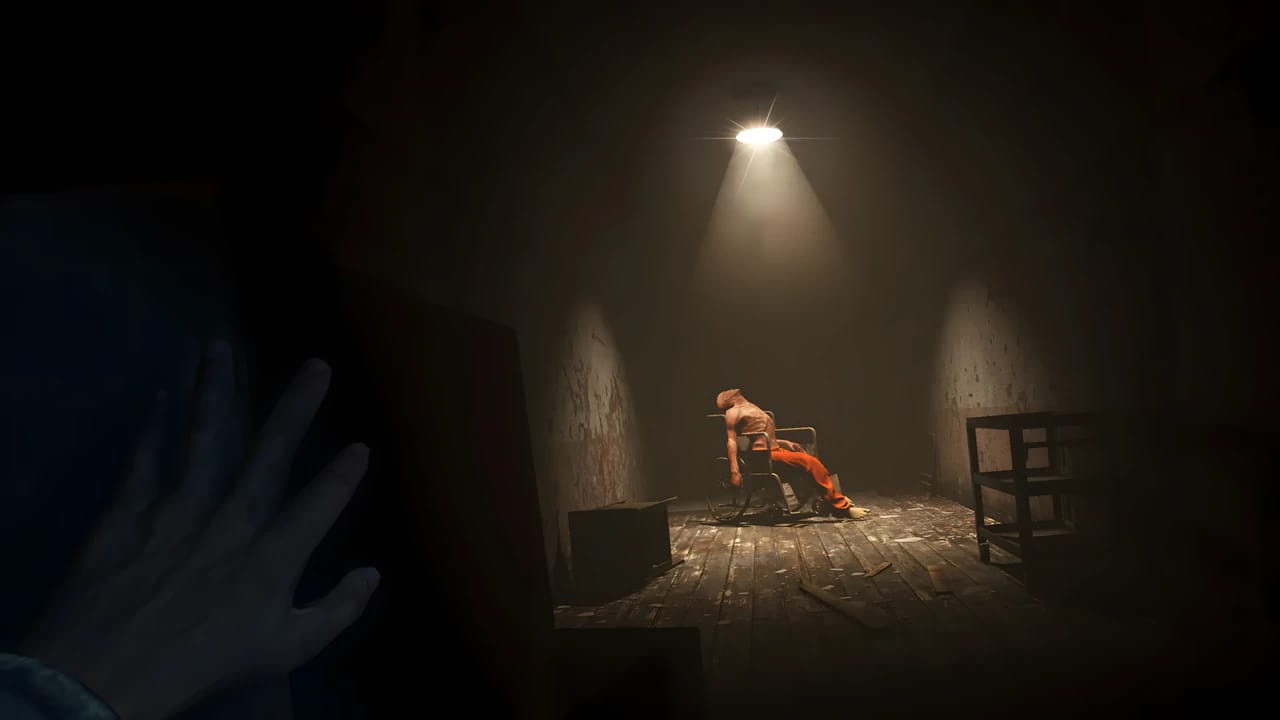
While jump scares are present, they are typically used as a payoff after periods of buildup. In horror design, jump scares work best when preceded by silence or tension, creating a sudden contrast that startles the player.
The jumpscares are masterfully placed, often occurring just as you feel a sense of discovery or relief after escaping danger. This creates a ‘controlled’ scare that punctuates the tension rather than overwhelming it. I appreciate how the game manages this balance, opting for a moderate frequency that keeps the horror impactful without becoming predictable or excessive.
What makes Outlast stand out is how it maintains pressure even when nothing is happening. Walking through empty corridors, hearing distant sounds, or simply not knowing what’s ahead creates a constant sense of unease. Many players consider this atmosphere the main source of fear, with jump scares acting as occasional spikes rather than the foundation of the experience.
At the same time, there are moments where the game deliberately startles the player — enemies bursting into rooms, sudden noises, or unexpected encounters. These moments can be intense, especially when combined with limited visibility and disorientation.
Puzzles and Exploration Design
Outlast keeps its puzzle design relatively simple, focusing more on navigation and environmental awareness than complex problem-solving. Instead of traditional puzzles with clear solutions, the game often asks you to find paths, locate key items, or figure out how to progress while under pressure.
Most objectives follow a structure like:
- restoring power
- finding keys or access points
- navigating locked areas
- escaping from dangerous zones
This means the challenge doesn’t come from logic — it comes from doing these tasks while being hunted or disoriented.
Exploration Under Pressure
Exploration in Outlast is heavily tied to tension. The asylum is designed like a maze, with multiple rooms, corridors, and hidden paths. However, you’re rarely free to explore calmly — enemies can appear at any time, forcing you to move quickly or hide.
The game never allows you to let your guard down, constantly injecting tension into seemingly mundane moments. This unpredictability ensures that even a straightforward path can take an abrupt and terrifying turn, forcing you to completely rethink your strategy on the fly.
While the game doesn’t offer deep puzzle systems, this simplicity works in its favor. Complex puzzles could break the pacing, while the current design keeps the tension consistent and the gameplay focused on survival.
Sound Design and Audio Atmosphere
Sound design is one of the most important elements in Outlast, often doing as much work as the visuals — if not more. Instead of relying only on what you see, the game constantly feeds you information through audio, making you aware of threats even when they’re not visible.
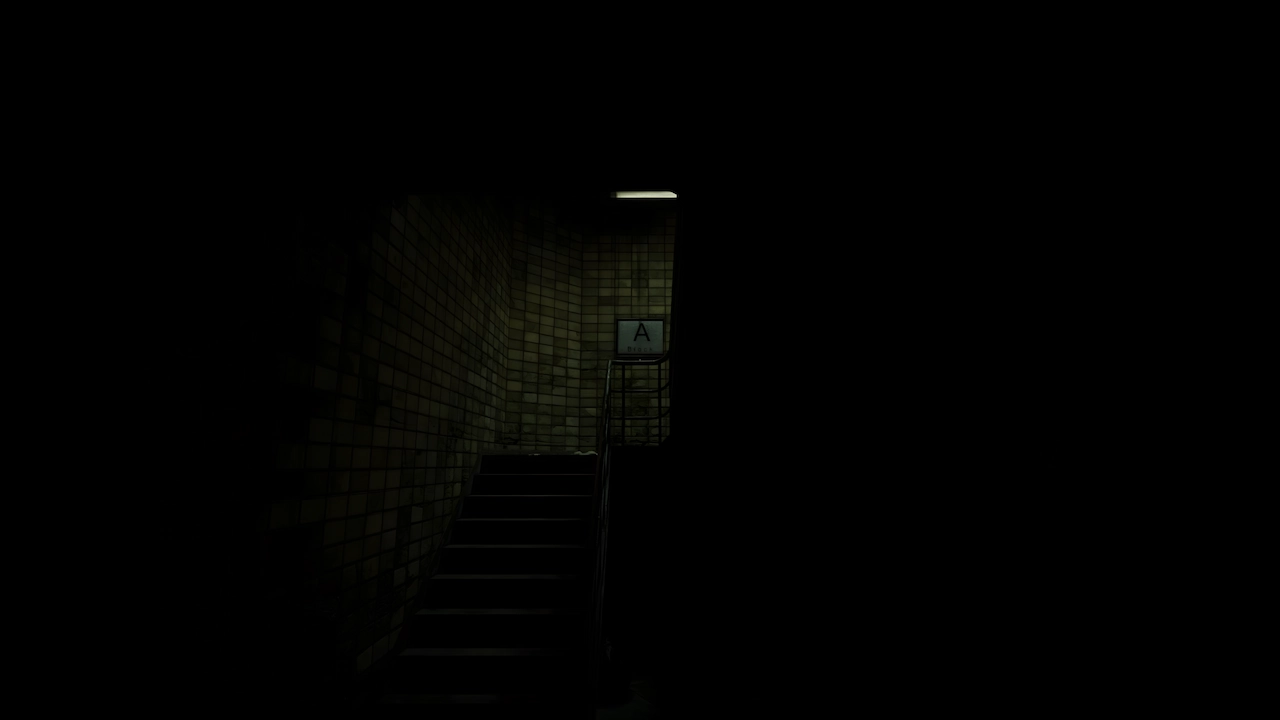
From footsteps in distant rooms to doors creaking open with no clear source, the game creates the feeling that something is always happening around you. These sounds are carefully placed to keep you alert and unsure of your surroundings.
Audio design is undeniably one of Outlast’s most formidable strengths. During my playthrough, the sheer panic and the agonizing tension of wondering whether an adversary would approach my hiding spot were only possible due to the immersive sound effects.
In the world of horror, sound accounts for a massive portion of the atmosphere, and Outlast delivers a masterclass in using aural cues to drive psychological terror.
In the horror genre, audio accounts for nearly 90% of the atmospheric dread. Outlast excels in this regard, delivering a masterclass in sound design that earns an exceptionally high rating in my evaluation for this category.
Game Length and Replay Value
Outlast is relatively short compared to many modern games, with the main story typically taking around 4 to 6 hours to complete, depending on your pace and familiarity with the mechanics . A first playthrough may take slightly longer if you explore more carefully or struggle with certain sections.
In most instances, the total playtime is inflated by the ‘die, adapt, and progress’ loop. This mechanic significantly extends the time required to complete the game—as was my own experience—though it doesn’t necessarily translate into additional substantial content.
For experienced players, replaying the game can feel very different. What was once unpredictable and terrifying becomes more manageable as you learn enemy behavior and optimal paths.
However, outside of these elements, there isn’t a large amount of new content or branching paths to discover. The experience is mostly the same each time, meaning replayability depends more on personal interest than on new gameplay opportunities.
Performance and Optimization
Outlast is built on Unreal Engine 3, a technology known for being relatively lightweight and scalable compared to more modern engines . Because of this, the game generally runs smoothly even on older or mid-range hardware, making it accessible to a wide range of players.
In practice, performance is one of the game’s strengths. Frame rates tend to remain stable during most sections, even in areas with multiple enemies or detailed environments. The game doesn’t rely on heavy visual effects or large open areas, which helps maintain consistency throughout the experience.
Since I am running a high-end setup, I encountered no performance issues whatsoever. However, Outlast’s minimum and recommended system requirements are remarkably accessible, ensuring a smooth experience across a wide range of hardware. Performance should not be a barrier for most players.
DLC and Additional Content
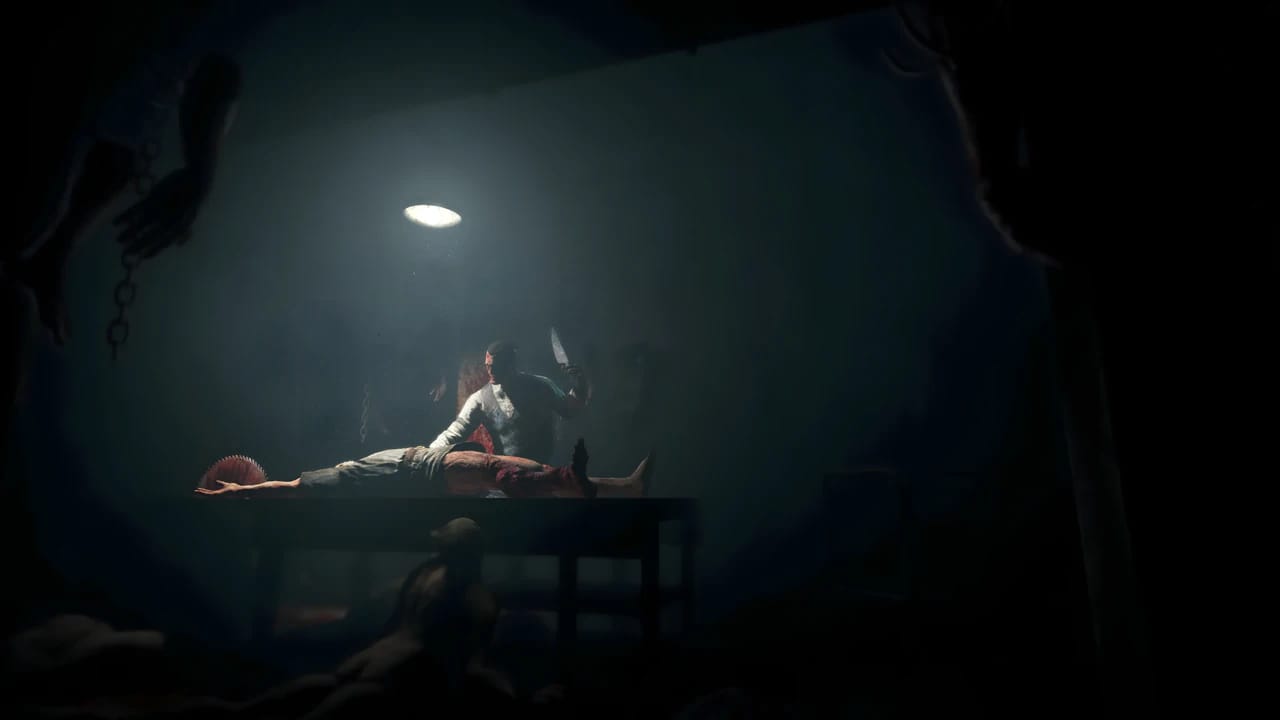
The main additional content available for Outlast is the story expansion Outlast: Whistleblower, which acts as both a prequel and an extension to the original game’s narrative. Instead of continuing directly from the protagonist’s perspective, the DLC puts you in the role of Waylon Park — the whistleblower who originally exposed the events at Mount Massive Asylum.
This shift in perspective adds important context to the main story, showing events that happen before and alongside the original campaign. It helps explain how everything started and expands on the actions of the Murkoff Corporation, making the overall narrative feel more complete.
The expansion serves as an exceptional complement to the base game, offering a more condensed campaign that significantly enriches the overarching lore. While the pacing is faster, it provides crucial narrative depth that makes the entire Outlast story feel complete
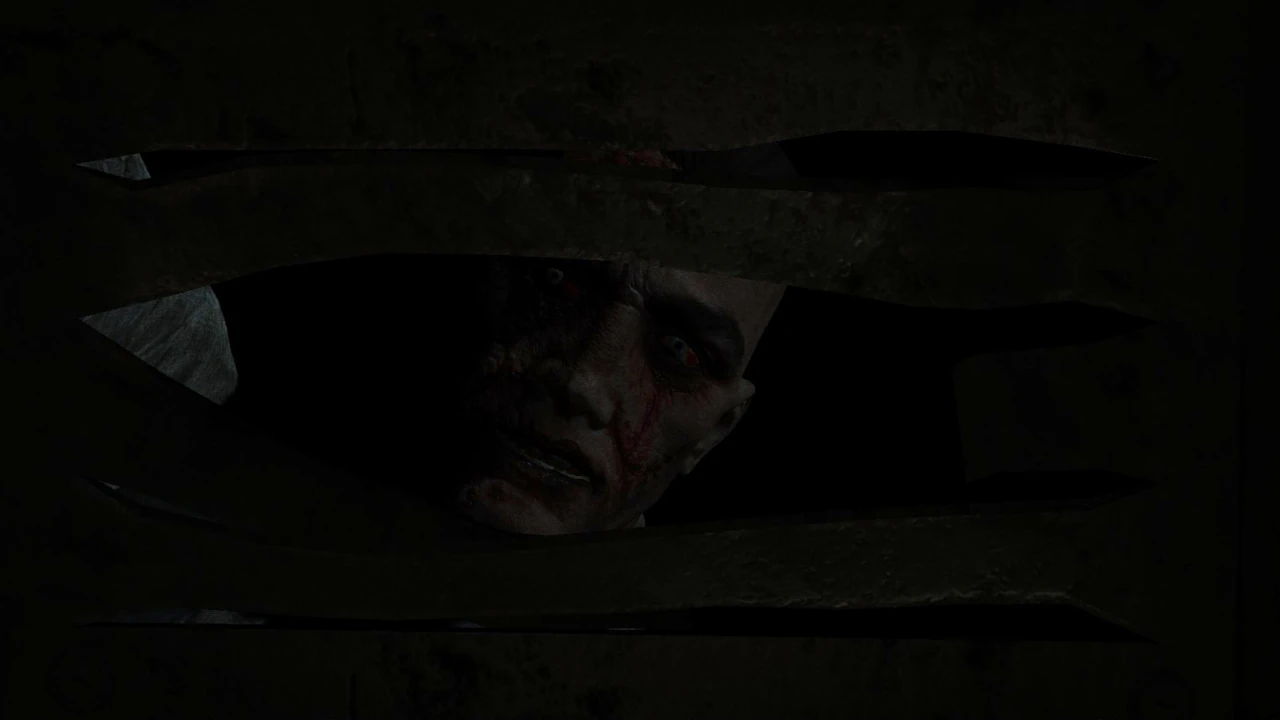
In terms of gameplay, the DLC follows the same core mechanics as the base game, focusing on stealth, exploration, and survival. However, it introduces new areas, new enemies, and even more disturbing scenarios, pushing the horror further than the original experience. Some sections are noticeably more intense, both in atmosphere and in the situations the player is forced into.
The length of Whistleblower is shorter, usually taking a couple of hours to complete, but it feels dense and focused, without unnecessary padding. Because of its pacing and narrative relevance, it works best when played after finishing the main game.
Who Should Play Outlast?
Outlast is best suited for players who enjoy intense, immersive horror experiences where tension and vulnerability are central to the gameplay. Unlike action-heavy titles, the game removes combat entirely — you’re not a fighter, but a journalist trying to survive using stealth and awareness
I would recommend this game to those who enjoy a challenge and aren’t easily scared. The best parts are the chase scenes, while the most tedious parts are those where you have to find specific items, which can be a bit of a hassle.
For fans of games like Amnesia or Resident Evil 7, Outlast fits perfectly into that style of horror where fear comes from helplessness and unpredictability. The constant need to run, hide, and manage limited resources creates a unique kind of stress that not every player enjoys — but for the right audience, that’s exactly what makes it memorable.
Where can I buy Outlast?
You can purchase Outlast or Outlast Whistleblower using the links below. If you choose to buy through them, it helps support my work at no additional cost to you.


Conclusion
Outlast and its DLC Whistleblower stand out as some of the most effective survival horror experiences in the genre. By removing combat and focusing entirely on vulnerability, the game creates a constant sense of tension that keeps you engaged from start to finish.
What makes the experience memorable isn’t just the scares, but how everything works together — the atmosphere, the sound design, and the mechanics built around running and hiding. This combination creates a type of horror that feels more psychological than purely visual, something widely praised in reviews of the game.
The chase sequences and the camera system are some of the strongest elements, constantly forcing you to make quick decisions under pressure. At the same time, the simplicity of its mechanics helps maintain pacing without unnecessary complexity.
Whether you are a seasoned horror veteran or a newcomer looking for your first real scare, Outlast is an essential journey into the heart of madness. It is a haunting reminder that sometimes, the most terrifying monsters aren’t the ones you fight, but the ones you can only hope to outrun.
Rating: 8/10
If you want to watch specific moments or the full experience, you can check out my complete YouTube playlist.
FAQ (Frequently Asked Questions)
Is Outlast worth playing in 2026?
Yes, Outlast is still worth playing due to its strong atmosphere, tense gameplay, and unique focus on survival horror without combat.
How long is Outlast?
A typical playthrough takes around 4 to 6 hours, depending on your pace and exploration.
Is Outlast scary?
Yes, Outlast is considered one of the scariest horror games, focusing on psychological tension, darkness, and constant pressure rather than just jump scares.
Does Outlast have combat?
No, the game has no combat system. You must run, hide, and avoid enemies to survive.
Is Outlast difficult?
The difficulty comes from survival and decision-making, not complex mechanics. Mistakes can lead to instant death, especially during chase sequences.
Do you need to play Outlast before Whistleblower?
Yes, it’s recommended. The DLC Whistleblower expands the story and makes more sense after finishing the main game.
Is Outlast open world?
No, the game is linear, but it encourages exploration through hidden documents and alternate paths.
Is Outlast multiplayer?
No, the original Outlast is a single-player experience only.