


Table of Contents
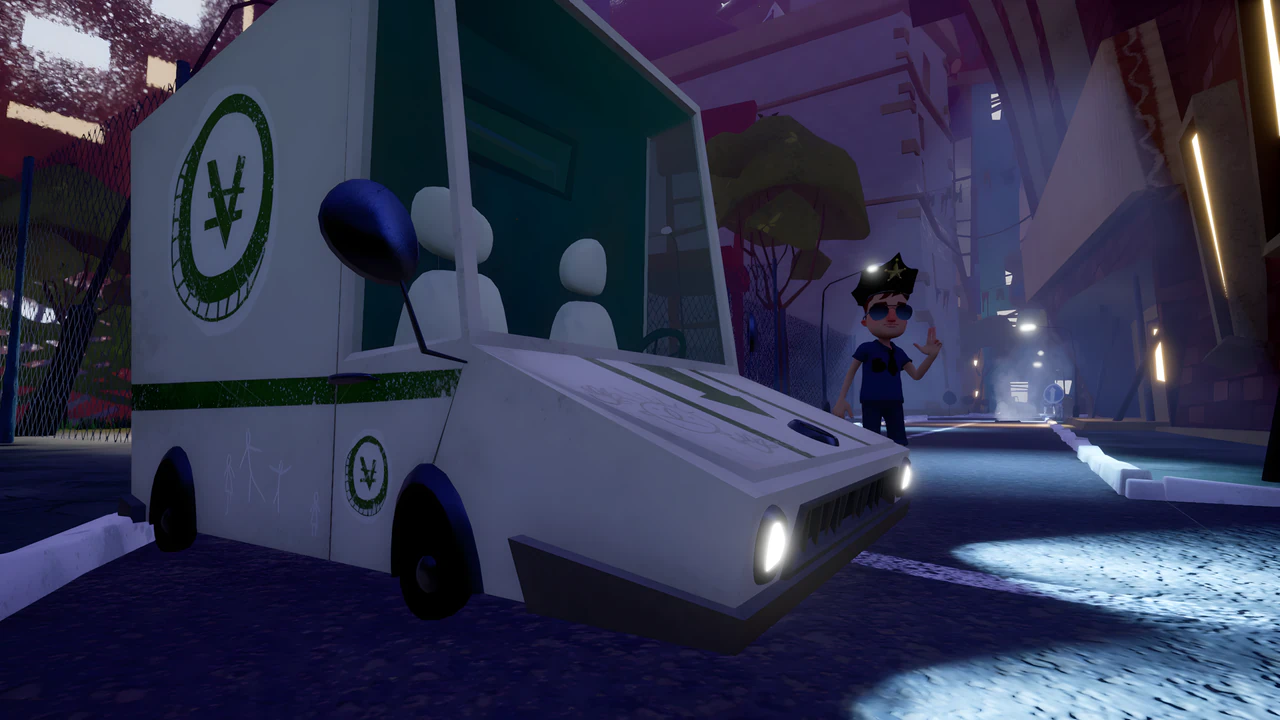
Hello Neighbor: Hide and Seek Review: In this prequel to the original Hello Neighbor, developed by Eerie Guest Studios and published by tinyBuild, we get a closer look at the Peterson family’s tragic past and the events that shaped Theodore Peterson, the mysterious Neighbor.
The title puts players in control of one of Theodore’s children, showing a different perspective of the franchise. Rather than focusing only on breaking into the Neighbor’s house, Hide and Seek combines exploration, puzzle-solving, and stealth mechanics while telling a darker tale about loss, family, and childhood memories.
Each chapter represents a different moment from the family’s past, with imaginative settings that reflect the emotions and experiences of the characters. The production keeps the recognizable visual identity of the series while introducing larger areas, new challenges, and a greater focus on storytelling.
In this review, I will cover Hello Neighbor: Hide and Seek’s narrative, gameplay mechanics, puzzles, level design, atmosphere, graphics, performance, and whether the title is worth playing today. If you have not played the original Hello Neighbor yet, I recommend starting there before playing Hide and Seek, as the two games complement each other.
In my view, the experience feels more streamlined than the original, especially when it comes to its mechanics and length. That makes sense because the plot is given more room to breathe. There are still plenty of puzzles to solve, but most of them are straightforward enough that they do not slow the adventure down for too long.
Story and Hello Neighbor: Hide and Seek Timeline
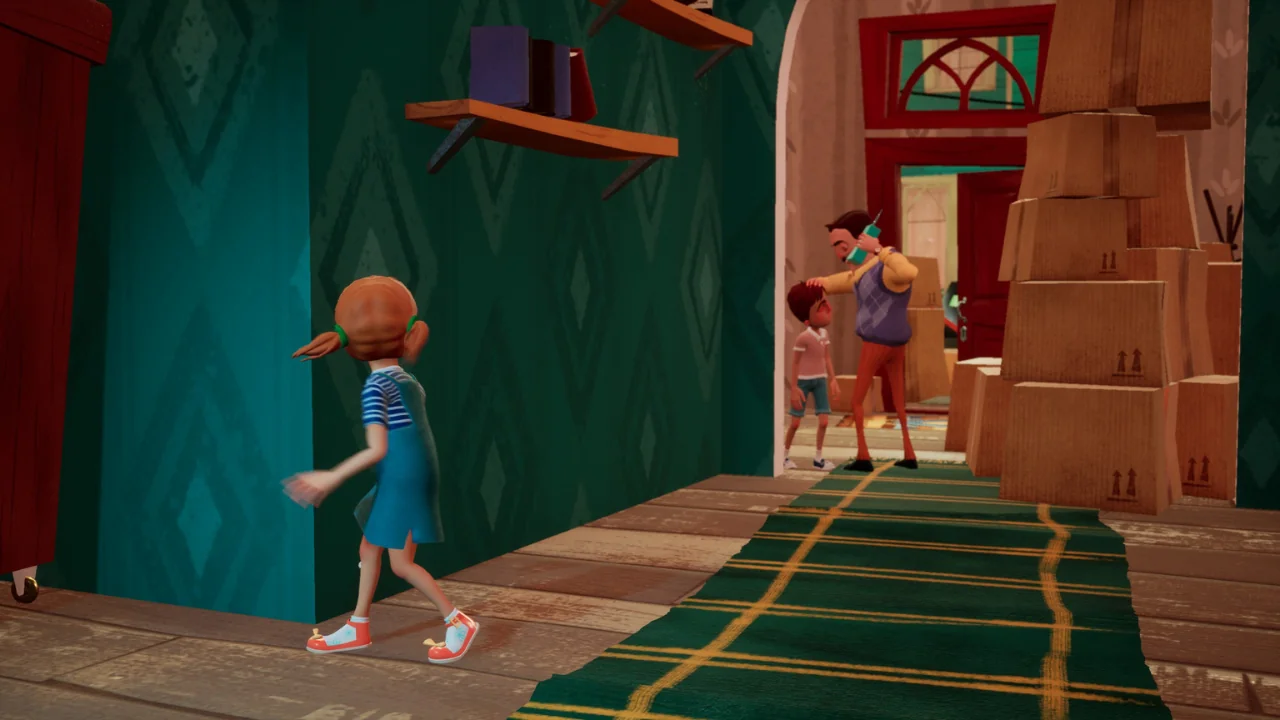
Hello Neighbor: Hide and Seek works as a prequel that explores the events before the original game, focusing on the tragic past of the Peterson family and providing more context about Theodore Peterson, the mysterious Neighbor from the first title.
Rather than controlling Nick, the protagonist from the original release, players experience the plot through the perspective of one of Theodore’s children. The title explores their childhood, family relationships, and the events that gradually changed the Neighbor’s life.
The narrative is divided into different chapters, with each one representing a different moment from the family’s past. These sections are not only used to tell the story but also shape the game’s settings, creating locations that represent the imagination, memories, and emotions of the characters.
Compared to the first Hello Neighbor, Hide and Seek places a stronger emphasis on storytelling. While the original was centered around uncovering the mystery of the Neighbor’s house, this prequel attempts to explain the reasons behind Theodore’s actions and add more emotional context to the franchise.
The title presents a more tragic interpretation of the Neighbor, showing that the character is not simply a villain, but someone affected by painful events. This approach adds more depth to the series’ universe and changes how players perceive Theodore after experiencing his past.
That said, the storytelling is still relatively indirect. Much of the plot is communicated through the settings, visual clues, and events rather than traditional dialogue or cutscenes. As a result, players need to pay attention to details to fully grasp the timeline and emotional meaning behind each chapter.
What I liked most about the narrative is how it gradually shows what led Theodore, the Neighbor from the first game, to become the person we eventually meet. The tragedies do not happen all at once; they build up over time until his life and judgment completely fall apart, giving much more context to what happens later in the series.
I found the story especially compelling because I had already played the first entry. For me, Hide and Seek works best as a companion to that experience: it gives meaning to events that previously felt mysterious and made me look at Theodore differently. It also reinforced something simple that I appreciated in the writing: it is difficult to judge someone fairly without understanding what happened before.
Gameplay and Survival Mechanics

Unlike the original Hello Neighbor, where the main objective was infiltrating the Neighbor’s house while avoiding Theodore Peterson, Hello Neighbor: Hide and Seek changes the formula by leaning more on exploration, puzzle-solving, and survival elements from the perspective of a child.
Players control one of Theodore’s children and must navigate through large settings, collect important items, and complete objectives while avoiding Aaron, who takes the role of the main threat throughout the adventure. Rather than simply guarding an area like the Neighbor in the first title, Aaron actively searches for the player, creating moments of tension and requiring careful movement.
The gameplay combines stealth mechanics, platforming, and environmental puzzles. Players need to observe their surroundings, understand the layout of each area, and find creative ways to progress. The locations are designed as imaginative versions of childhood spaces, transforming ordinary spots into much larger and more challenging zones.
One of the biggest differences from the original release is the scale of the levels. Each chapter introduces a new setting with unique mechanics and objectives, encouraging discovery instead of focusing only on breaking into a specific location.
On the downside, the gameplay can feel inconsistent at times. Some objectives are not always clear, and certain puzzles require experimentation rather than logical solutions. This can create moments of frustration, especially when players do not understand what the title expects them to do.
Despite these issues, the core idea behind Hide and Seek’s gameplay works well. The combination of discovery, puzzles, and chase sequences creates a different experience from the first game while still maintaining the identity of the franchise.
I really enjoyed the change in perspective. Playing as a child makes ordinary places feel enormous, and that gives the exploration a different sense of vulnerability. The size of the maps also fits the idea behind the title: through a child’s imagination, familiar places can become entire worlds.
Puzzles, Exploration, and Level Design
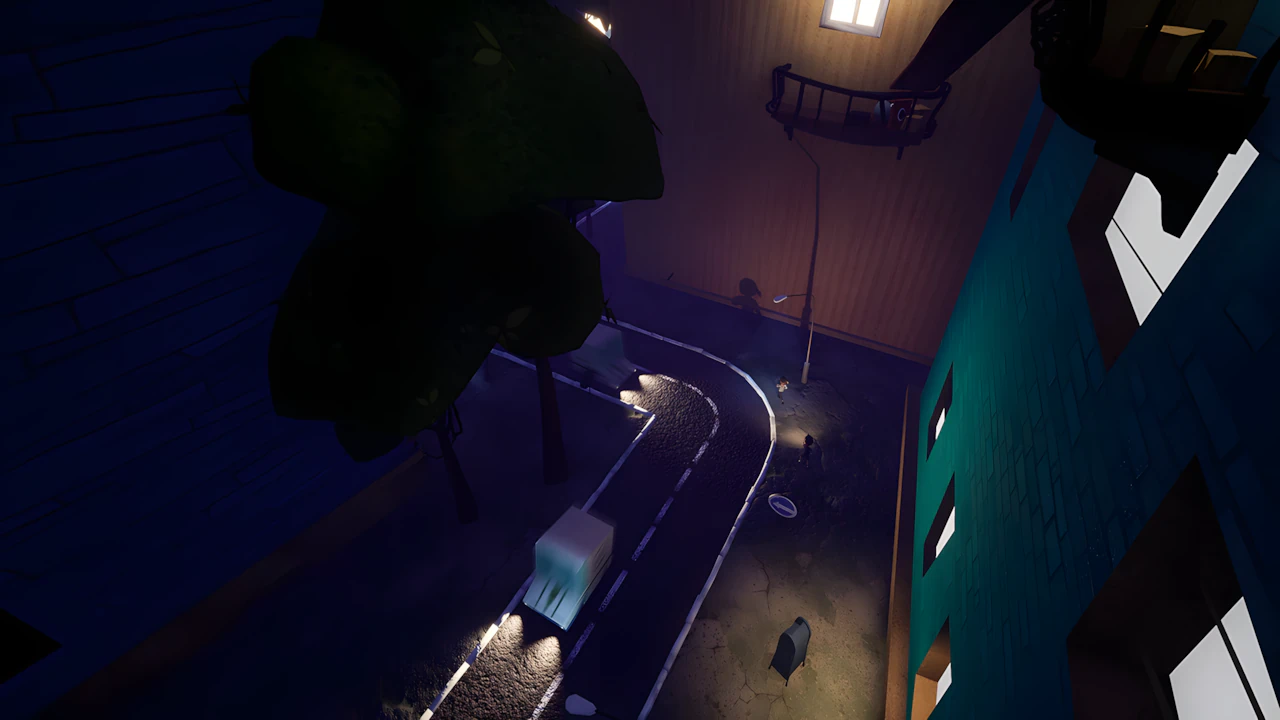
A standout element of Hello Neighbor: Hide and Seek is its approach to level design and exploration. Unlike the original title, which focused mainly on exploring the Neighbor’s house, this prequel introduces much larger settings that represent different moments and memories from the Peterson family’s past.
Each chapter presents a unique location with its own visual identity, objectives, and challenges. The title turns ordinary places into imaginative worlds, making locations feel much larger from the perspective of a child. This design choice creates a different sense of discovery, where players need to carefully observe the surroundings to find paths, items, and solutions.
The puzzles are based mainly on environmental interaction. Players must locate objects, understand how different elements of the map work, and experiment with possible solutions to progress. While the goals are usually clear once players understand the setting, some solutions can feel unintuitive and require trial and error.
The exploration aspect is one of the reasons the game feels different from the first entry. Rather than simply breaking into a house, players are encouraged to move through creative locations that reflect the imagination of childhood, with oversized objects and unusual spots creating a unique atmosphere.
Still, the large-scale maps can also become a drawback. Some areas may feel confusing, especially when players do not know exactly where to go next. The lack of clear guidance can lead to moments of frustration, particularly in sections that require searching for specific items.
All things considered, Hello Neighbor: Hide and Seek’s level design is ambitious and visually creative. Although some puzzles could be more intuitive, the imaginative settings and focus on discovery help the title stand out within the franchise.
Aaron and Chase Sequences
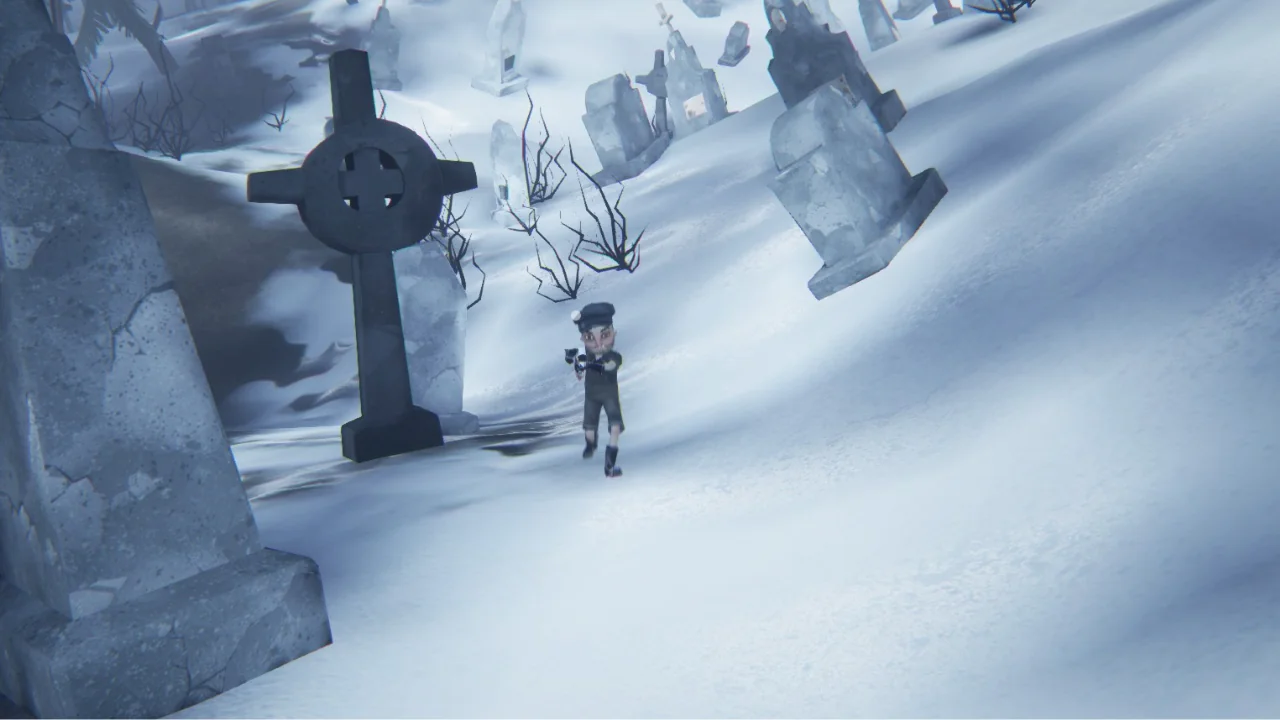
A key element that defines the tension in Hello Neighbor: Hide and Seek is the presence of Aaron, who replaces Theodore Peterson as the main threat throughout the title. Unlike the original release, where the Neighbor mostly defended his own property, Aaron actively hunts for the player, creating more direct chase sequences.
The encounters with Aaron combine stealth mechanics, movement, and quick decision-making. Players need to pay attention to their surroundings, find hiding spots, and react quickly when they are spotted. These moments add a stronger sense of vulnerability, especially because the player controls a child in settings that feel much larger than normal.
The chase sections are designed to interrupt discovery and create moments of pressure. After spending time solving puzzles and searching for items, being spotted by Aaron can completely change the pace of the gameplay, forcing players to escape and rethink their approach.
That said, these sequences can also be inconsistent. While some encounters create genuine tension, others may feel more like obstacles that slow down progression, especially when players are caught repeatedly or need to repeat the same section multiple times.
Aaron also contributes to the darker side of the plot. His role is not only to act as an enemy but also to represent the emotional conflict and tragic events surrounding the Peterson family, making him more connected to the narrative than a simple antagonist.
As a whole, the Aaron chase sequences are an important part of the identity of Hello Neighbor: Hide and Seek. They add suspense and variety to the exploration, even if some moments could have been better balanced.
One detail I liked is that Aaron’s appearance changes to fit the setting of each stage, which helps him feel like part of the world rather than a character simply placed there. His actual pursuits, though, are fairly basic. Once he spots you, the solution is usually to run, hide, and create enough distance to get back to what you were doing. I found him easier to deal with than the Neighbor in the first game because the larger maps give you more room to escape and he is less likely to become an obstacle in the setting.
Atmosphere, Horror Elements, and Sound Design
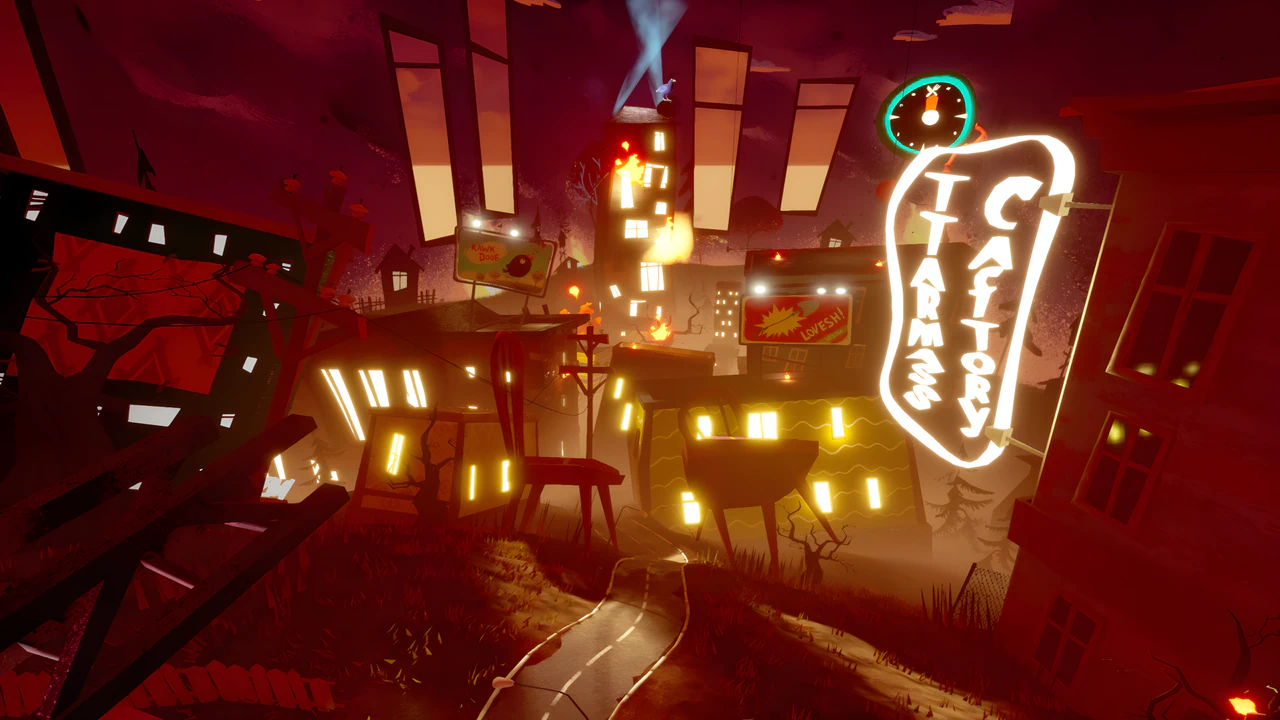
Although Hello Neighbor: Hide and Seek has a colorful and stylized visual direction, the title still manages to create moments of tension through its settings, enemy encounters, and sound design. Rather than lean on traditional horror elements, it builds suspense through the feeling of being watched, chased, and exposed.
The contrast between the game’s childlike settings and darker themes is one of its most interesting aspects. The locations often look playful and imaginative, but the context behind them creates a more unsettling mood, especially as players learn more about the Peterson family’s tragic story.
The presence of Aaron also plays an important role in sustaining tension. Knowing that he can appear during exploration encourages players to stay alert and carefully plan their movements. The chase moments become more intense because the player is constantly balancing puzzle-solving with the possibility of being caught.
The sound design helps strengthen this mood by using ambient noise, music, and audio cues to signal danger. The audio is not focused on creating constant fear, but rather on building anticipation before important moments, making encounters with Aaron feel more impactful.
Even so, the horror experience is different from traditional horror games. Hide and Seek leans more on suspense, mystery, and emotional storytelling rather than pure fear. The colorful art style prevents the title from becoming genuinely terrifying, but it creates a unique combination of innocence and discomfort.
The atmosphere ultimately ranks among the title’s strongest elements. The combination of imaginative settings, suspenseful moments, and a mysterious plot helps Hello Neighbor: Hide and Seek maintain its own identity within the horror puzzle genre.
For me, the atmosphere was one of the highlights. The colorful, cartoon-like presentation could have made the experience feel harmless, but Aaron’s presence, the strange settings, and the audio cues create moments where the tension genuinely works. That contrast between something that looks playful and a story that is increasingly tragic is what made the mood memorable.
Graphics and Visual Presentation
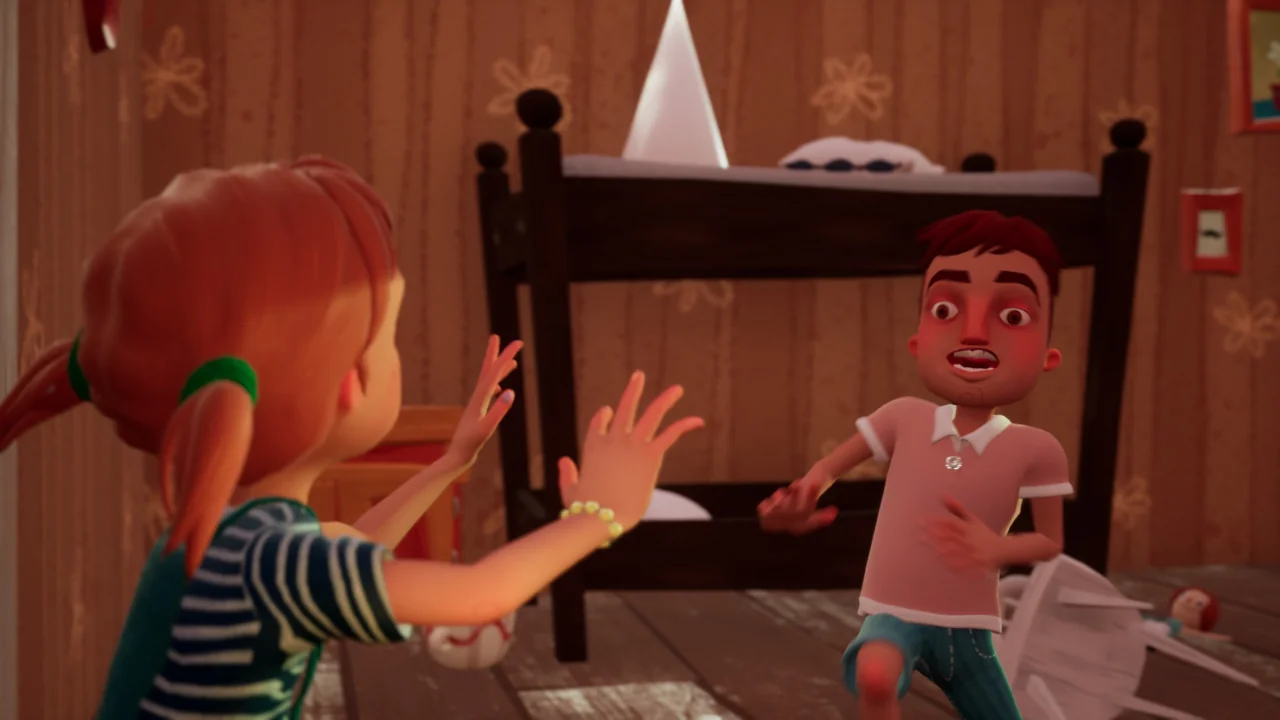
Hello Neighbor: Hide and Seek maintains the recognizable cartoon-inspired visual style from the original game while introducing more creative and diverse settings. Rather than focusing on realistic graphics, the title uses exaggerated shapes, vibrant colors, and unusual spots to represent the perspective and imagination of a child.
The locations rank among the strongest aspects of the presentation. Each chapter features a unique visual identity, transforming ordinary places into oversized and imaginative areas. This approach makes the world feel different from the first game, with spots that reflect the emotions and memories connected to the Peterson family.
The character designs also continue the franchise’s distinctive style. Aaron, Theodore Peterson, and the other characters have exaggerated appearances that match the title’s unusual atmosphere, balancing a playful aesthetic with the darker themes behind the story.
Technically, the visuals are not among the most advanced compared to modern releases. Some textures, animations, and details show the production’s age, but the artistic direction helps compensate for these limitations. The developers clearly prioritized creativity and mood over graphical realism.
The colorful presentation also creates an interesting contrast with the darker narrative. The cheerful settings and childlike designs make the tragic elements of the story stand out even more, creating a unique visual identity.
Hello Neighbor: Hide and Seek’s graphics remain one of its most memorable elements. While the technology behind the visuals may feel dated, the creative level design and distinctive art style help the title maintain its charm.
Even though the graphics are technically dated, I liked how the art direction captures the way childhood can make everything seem brighter and more colorful. I also noticed how the palette becomes less vibrant and more subdued as the plot progresses. That visual change fits Theodore’s increasingly tragic circumstances and gives the settings more meaning than they would have on appearance alone.
Performance and Technical Stability
From a technical perspective, Hello Neighbor: Hide and Seek delivers a mostly stable experience, although its larger settings can demand more hardware compared to the original release. The detailed maps, expanded areas, and number of interactive elements contribute to a more ambitious presentation.
The title keeps the same visual style as the previous entry, but the increased scale of the levels means that performance can vary depending on the player’s hardware. Systems that meet the recommended requirements should be able to run it comfortably, while older configurations may experience occasional slowdowns.
During gameplay, the technical experience is generally consistent, with the main focus being exploration, puzzles, and chase sequences rather than demanding visual effects. The production does not rely on cutting-edge graphics, which helps it remain accessible on a wider range of computers.
That said, like many entries in the Hello Neighbor franchise, some technical imperfections may appear. Small issues related to physics, animations, or interactions can occasionally affect the experience, especially when experimenting with objects or navigating complex areas.
Hello Neighbor: Hide and Seek provides a satisfactory technical experience. While it may not be completely free from minor issues, the performance is good enough to support the exploration-focused gameplay and creative settings.
On my system, the title ran smoothly throughout my playthrough. I did not encounter any major technical problems, and the larger settings did not cause noticeable performance issues for me. That made it easy to focus on the puzzles and exploration instead of worrying about technical interruptions.
Game Length and Replay Value
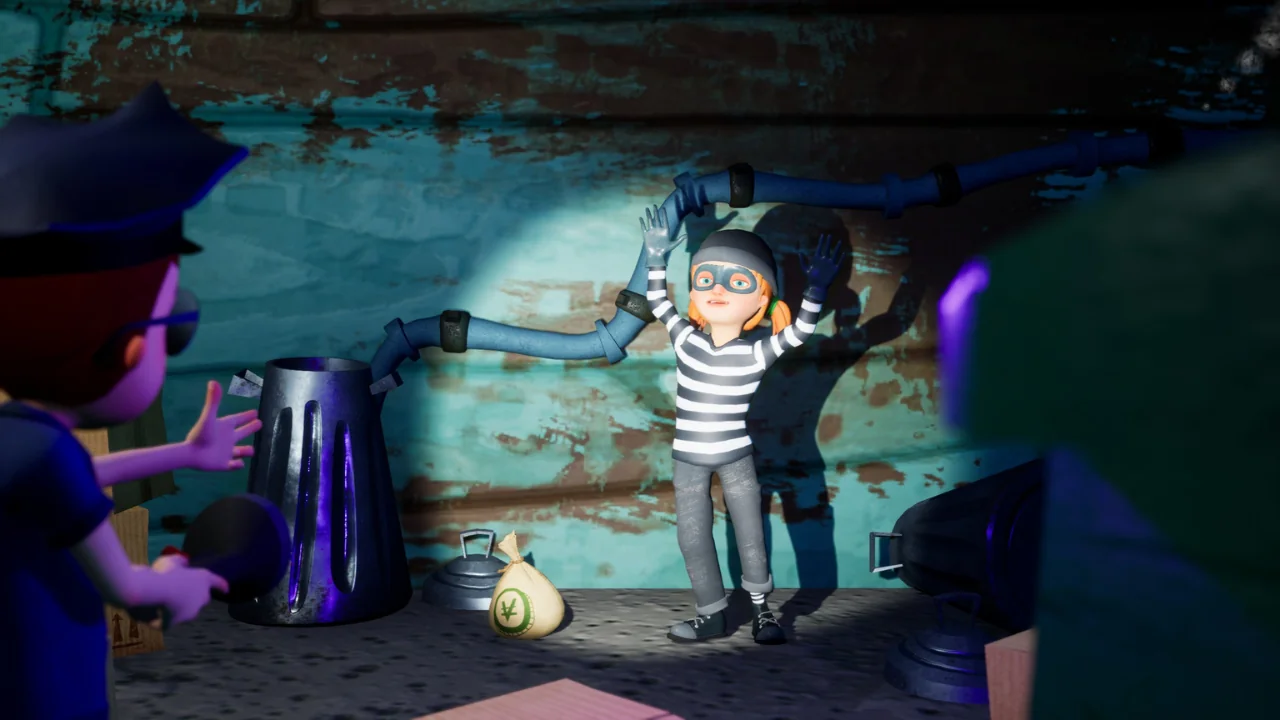
Hello Neighbor: Hide and Seek offers a relatively short but focused experience, with the campaign lasting around 5 to 8 hours, depending on how quickly players solve puzzles and navigate the different settings. The playtime can vary significantly because some sections require exploration, experimentation, and careful observation to progress.
The title’s structure is divided into different chapters, each introducing a new setting, objectives, and challenges. That structure gives the experience a sense of progression, as every section brings a different location and gameplay situation instead of repeating the same formula throughout the entire adventure.
Regarding replay value, the production does not offer a large amount of additional content after completing the main story. Most of the enjoyment comes from discovering the settings, understanding the puzzles, and experiencing the narrative for the first time.
Players who enjoy exploring every corner of the maps may find reasons to return, especially to discover details they missed during the initial playthrough. Once the puzzles are solved and the story is completed, though, there is limited motivation to replay the entire adventure.
The shorter length works well for the type of experience Hello Neighbor: Hide and Seek provides. Rather than extending the campaign unnecessarily, the title delivers a compact adventure focused on storytelling, exploration, and puzzle-solving.
My playthrough took around 8 hours, mostly because I got stuck in several sections and spent extra time exploring and testing different solutions. For this type of experience, I think that is a good length. It gives the plot enough time to develop without overstaying its welcome. Once the campaign is finished, though, I do not see much reason to replay the entire adventure. If you are more familiar with the puzzles, around 5 to 7 hours is a more realistic expectation.
Is Hello Neighbor: Hide and Seek Worth Playing Today?
Hello Neighbor: Hide and Seek remains an interesting experience for players who enjoyed the original release and want to learn more about the story behind Theodore Peterson. By focusing on the past of the Peterson family, the prequel offers a different perspective that adds more context and emotional depth to the franchise.
The title stands out because of its creative settings, imaginative level design, and combination of puzzle-solving, exploration, and stealth mechanics. The idea of transforming childhood memories into large and unusual locations gives it a unique identity, separating it from many other puzzle games.
That said, players should understand its limitations before starting. The gameplay can become repetitive, some puzzles rely heavily on experimentation, and the lack of additional content reduces its long-term replay value. Those looking for a more polished or complex experience may find some aspects underdeveloped.
For fans of the first Hello Neighbor, this prequel is a worthwhile addition because it expands the universe and provides more information about the characters. For newcomers, it can still be enjoyed as a standalone adventure, although playing the original first may improve the overall understanding of the plot.
Overall, Hello Neighbor: Hide and Seek is worth playing today, especially for players who enjoy mystery, puzzle games, and creative level design. It is not a perfect experience, but its unique atmosphere and storytelling make it a memorable chapter in the franchise.
For me, Hello Neighbor: Hide and Seek is a worthwhile addition to the franchise because it explores a side of the plot that the first game only hinted at. Some puzzles and mechanics can be frustrating, but the imaginative settings and the emotional weight of the narrative made the journey worthwhile. I would describe it less as a completely new direction for the series and more as a story-focused companion piece that gives the original game more meaning.
Conclusion
Hello Neighbor: Hide and Seek is a prequel that takes the series in a more story-driven direction. It still relies on puzzles and exploration, but its biggest purpose is to show what happened to the Peterson family and provide context for the events of the original game.
If you enjoyed the original, this is an easy recommendation if you want to learn more about its characters and events. Newcomers can also enjoy it, although I would personally play the first entry beforehand because the story carries more weight when you already know who Theodore is and what his house represents.
If you enjoy puzzle adventures, exploration, and mystery, I think it is worth trying. My main reservation is the price: at $29.99 on Steam at the time of writing, I would recommend waiting for a sale.
At a lower price, the shorter campaign and limited replay value are much easier to justify. If you’re interested in watching some gameplay, access my full YouTube playlist.