


Table of Contents
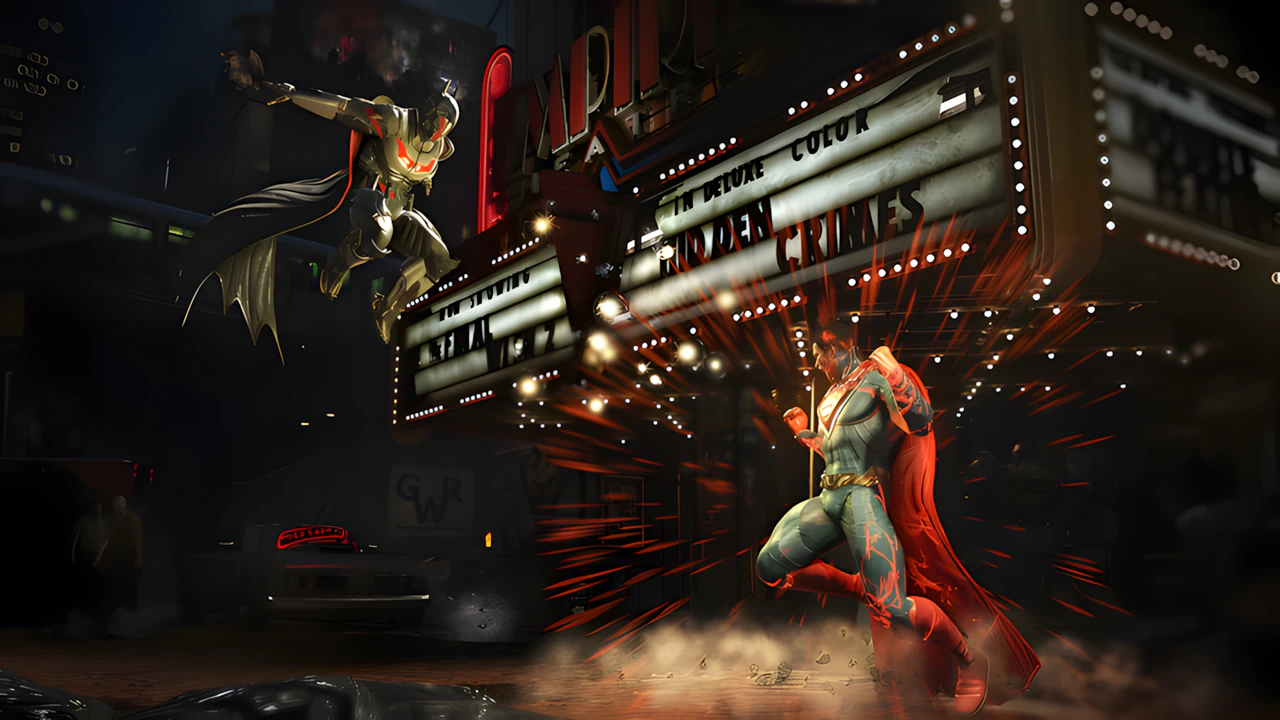
Injustice 2 is a fighting game developed by NetherRealm Studios and published by Warner Bros. Games, set in the DC universe. Building on the foundation of its predecessor, the game combines cinematic storytelling, strategic combat, and a deep customization system.
While it delivers a visually impressive experience with a wide roster of characters, its long-term appeal depends on what you’re looking for — whether it’s a competitive fighting game or a more casual, progression-based experience.
In this review, I’ll cover the gameplay, character variety, gear system, multiplayer, and overall value to help you decide if Injustice 2 is still worth playing today.
Gameplay and Combat System
The gameplay in Injustice 2 follows the traditional structure of NetherRealm titles, focusing on combo-based combat, special abilities, and character-specific mechanics. Each fighter features a unique moveset, including light and heavy attacks, special skills, and cinematic super moves that deal massive damage.
The fighting engine balances accessibility and depth. New players can learn the basics quickly through tutorials, while more experienced players can explore advanced techniques such as combo chaining, spacing, and timing.
Compared to faster fighting games, the pacing here feels slightly more deliberate, emphasizing positioning and decision-making rather than pure speed.
I found this extremely satisfying, as each character has a distinct playstyle, making the combat feel more dynamic and strategic, rather than relying purely on reflexes and memorized combos.
Character Variety and Fighting Styles
One of the strongest aspects of Injustice 2 is its diverse roster of characters, each with distinct fighting styles.
Certain fighters excel at close-range combat with high damage output, while others rely on zoning tools and ranged attacks. For example, characters like Deadshot focus on long-distance pressure, while others like Batman offer a more balanced playstyle.
This diversity adds depth to the gameplay, as each matchup requires a different approach and encourages players to experiment with multiple characters.
For example, one of the characters I used the most was the Joker. He has a passive ability tied to his signature laughter — every time it activates, it enters a cooldown, but briefly boosts his speed, adding a unique rhythm to his gameplay.
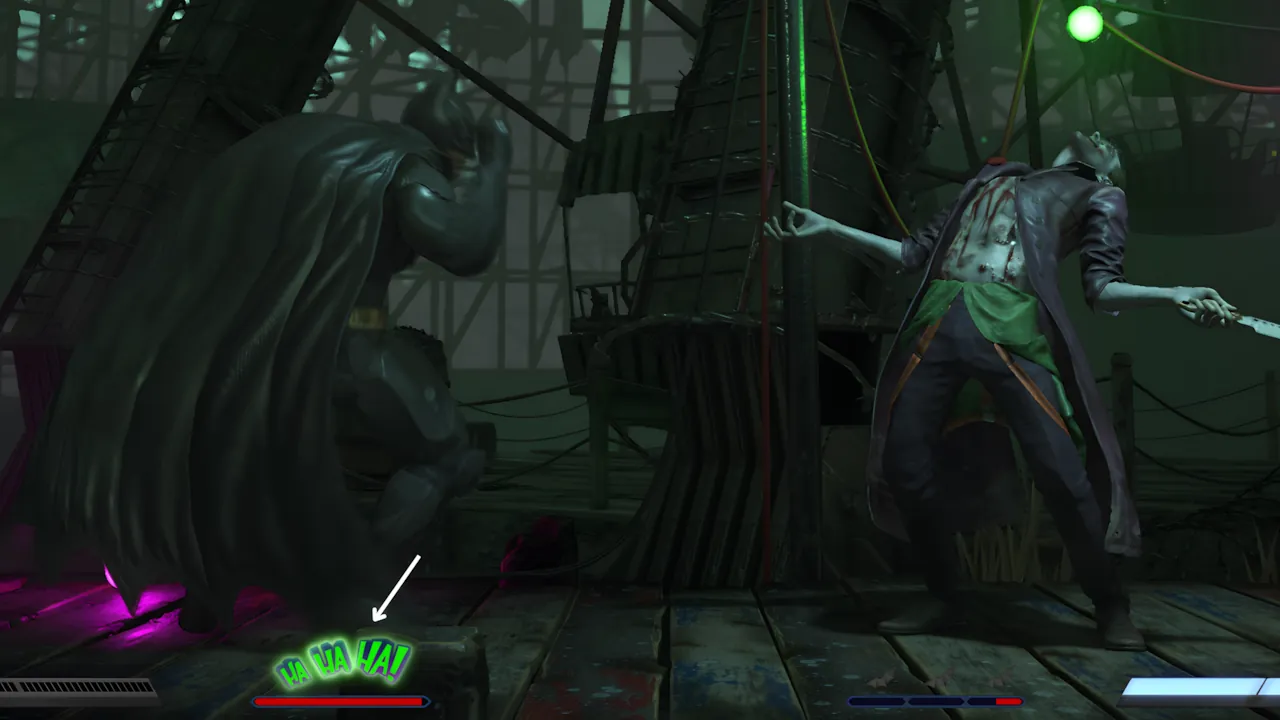
This unique ability makes him a much faster and more agile fighter, especially when compared to characters like Bane, who are heavier, slower, but capable of dealing much higher damage.
Gear System, Armor and Attributes
One of the biggest additions in Injustice 2 is its gear system, which introduces RPG-like elements into the fighting genre.
Each character can equip different pieces of gear, such as helmets, armor, and accessories. These items directly affect gameplay by modifying stats like strength, defense, and health, meaning that two players using the same character can perform very differently depending on their loadout.
Gear is mainly obtained through Mother Boxes, which are earned by leveling up or completing activities. This creates a progression loop where players are encouraged to grind for better equipment.
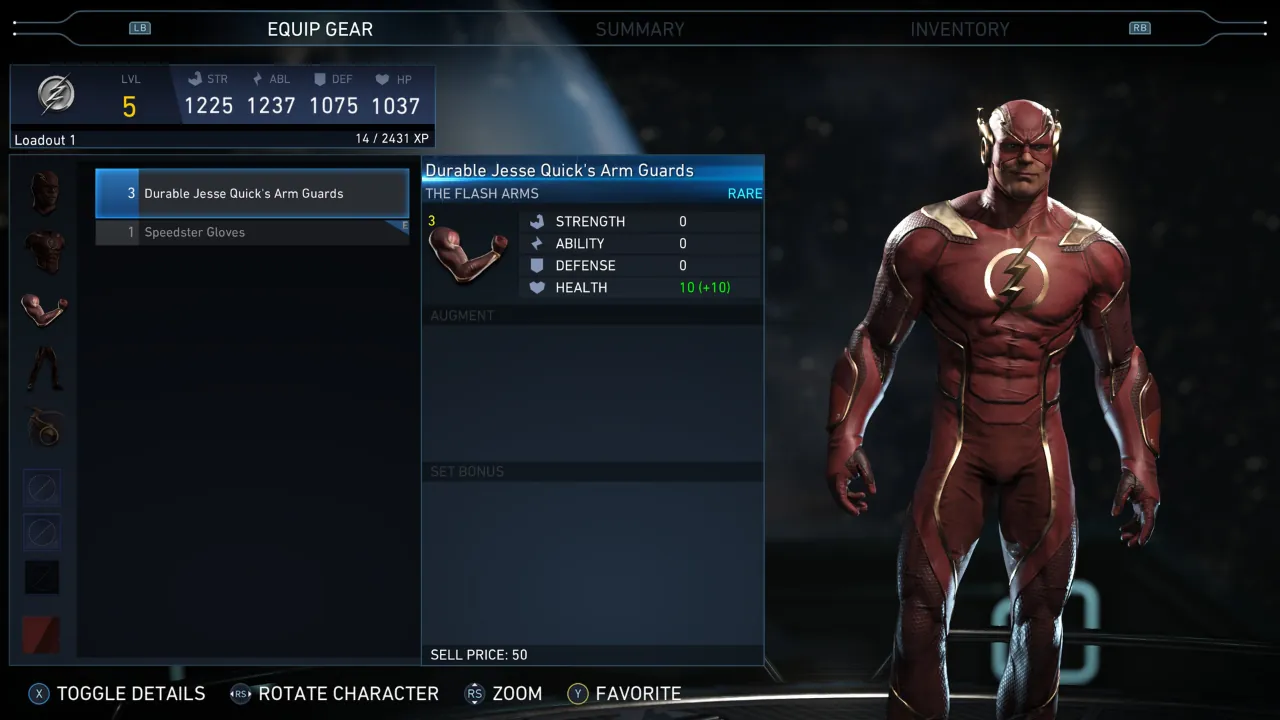
While this system adds customization and replay value, it can also impact balance in casual matches. In competitive modes, gear is usually disabled to maintain fairness.
Since this system doesn’t impact competitive modes, there isn’t a strong incentive to pursue these items beyond their cosmetic value.
Graphics and Presentation
Visually, Injustice 2 delivers a strong presentation with detailed character models and cinematic cutscenes.
The game features impressive visual effects, especially during special moves, which helps make each fight feel dynamic and impactful. The environments are also well-designed and interactive, adding variety to matches.
Overall, the game successfully captures the tone and aesthetic of the DC universe.
Story Mode and Immersion
The campaign mode continues the arc from the first game, focusing on the ideological conflict between characters like Batman and Superman.
With the introduction of Brainiac as the main antagonist, the game creates situations where characters must reconsider alliances and decisions. The storytelling is heavily cinematic, making the experience feel more like an interactive movie.
Toward the end of the story, the game presents a choice between siding with Superman or Batman. Superman represents a more authoritarian approach, enforcing justice through fear and lethal force, while Batman stands for restraint, believing that criminals should be captured rather than killed.
I personally leaned toward Batman’s ideology, which ultimately influenced my decision. The impact of the story may vary depending on how familiar you are with the DC universe.
Game Length
The main story of Injustice 2 takes around 6–7 hours to complete, depending on difficulty and familiarity with fighting games.
However, the overall playtime can increase significantly when engaging with modes like Multiverse, character progression, and multiplayer.
It took me around 8 hours to complete the game, though I spent a bit longer than expected after getting stuck near the end. The final boss presents a noticeable difficulty spike, which can be challenging if you’re not fully prepared.
Game Modes
Beyond the story mode, Injustice 2 offers a variety of game modes that significantly expand its content and replay value.
One of the main modes is the Multiverse, which acts as a dynamic, rotating set of challenges. Each event places the player in different conditions, such as modified rules, specific character requirements, or environmental effects.
Completing these challenges rewards gear, experience, and Mother Boxes, making it one of the most important modes for progression. This mode feels somewhat similar to the tower system from Mortal Kombat, offering a series of challenges with varying conditions and rewards.
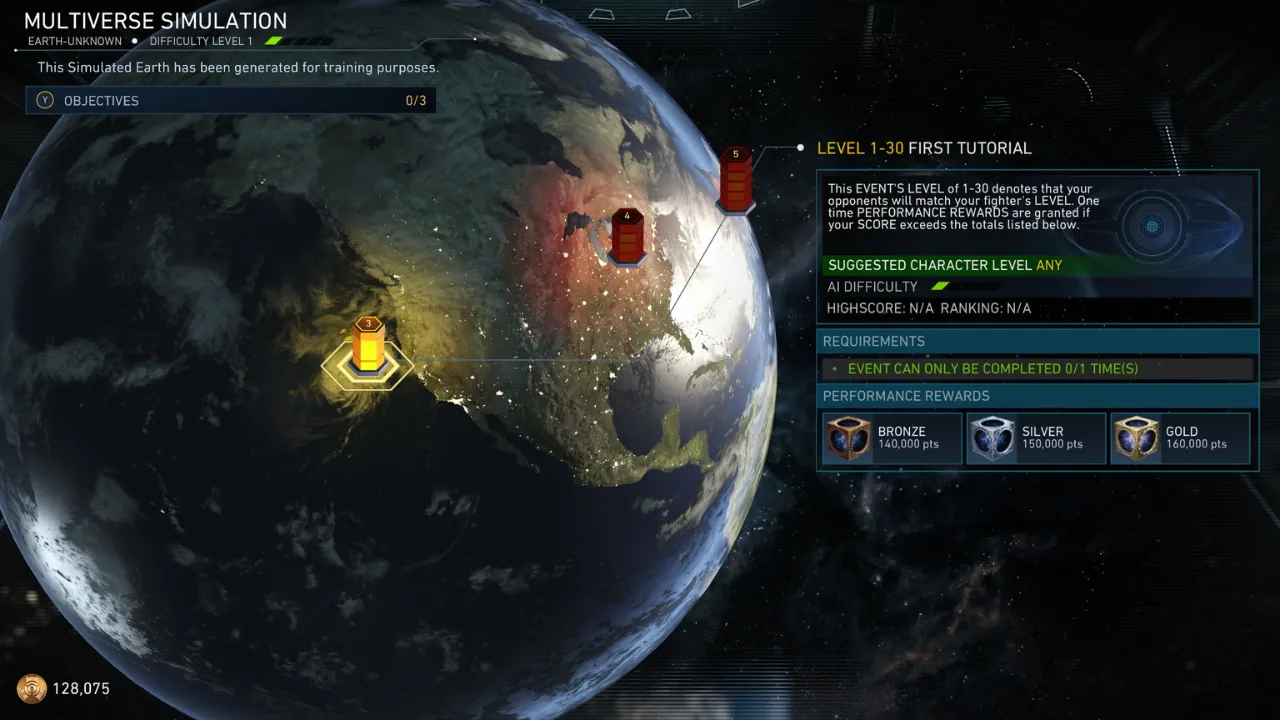
The game also includes traditional modes such as Versus, where players can fight against AI or another player locally, and Online Multiplayer, which allows ranked and casual matches. While these modes provide the standard fighting game experience, their quality depends heavily on the current player base and matchmaking performance.
Another notable mode is Practice, where players can test combos, learn mechanics, and improve their skills without pressure. This is especially useful for understanding character movesets and refining strategies before entering competitive matches.
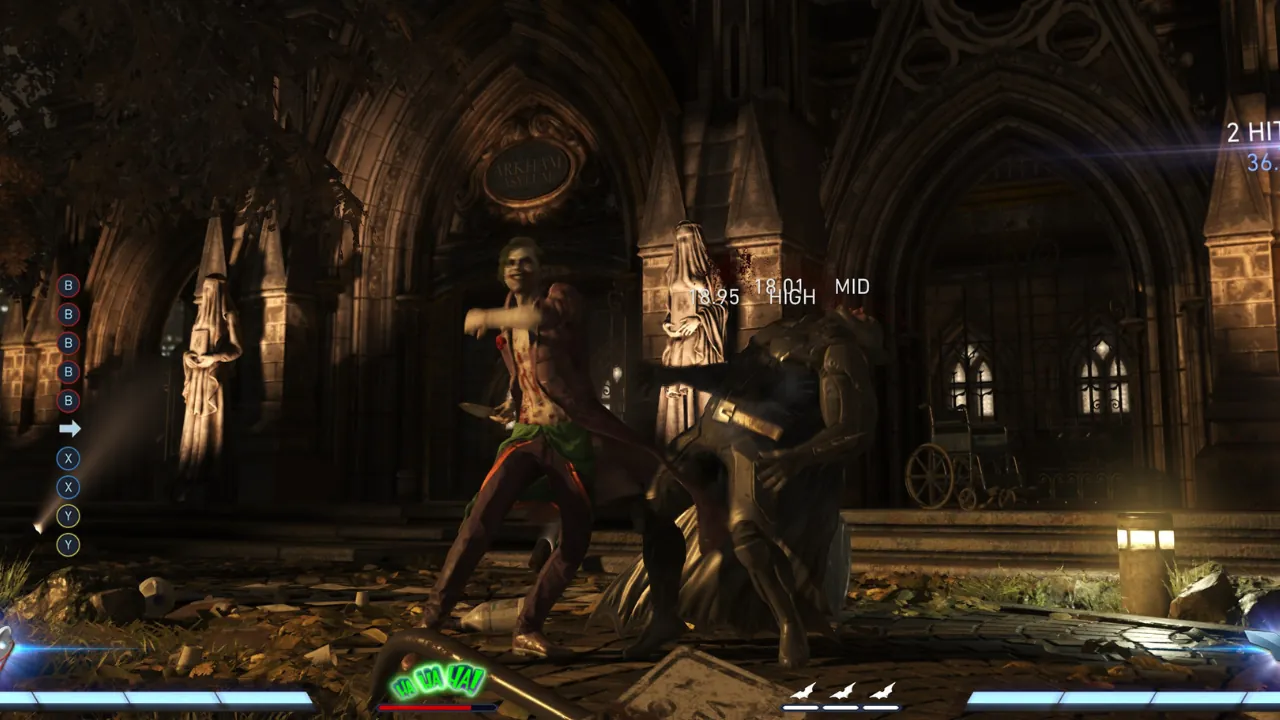
Additionally, Guilds allow players to join communities and participate in shared objectives, adding a social layer to the experience. While not essential, this feature can provide extra rewards and a sense of progression over time.
Overall, the variety of game modes ensures that Injustice 2 offers more than just a linear fighting experience. However, much of the long-term engagement is tied to grinding and repetition.
Multiplayer Experience
The multiplayer experience in Injustice 2 can vary depending on the platform and current player base.
In my tests on the Sao Paulo server, matchmaking times were relatively long, and in some cases, the game matched me with the same opponent multiple times. This suggests a limited active player base, particularly on PC.
While matches can still be enjoyable, the experience may feel inconsistent. Playing with friends using features like Remote Play tends to provide a more stable experience.
Progression and Replay Value
Beyond the main story, the game offers additional modes and progression systems that extend its lifespan.
The gear system plays a central role here, incentivizing players to keep grinding in order to unlock better equipment and customize characters. However, this progression is largely tied to grinding, which may not appeal to everyone.
For players who enjoy customization, the game offers player cards that can be unlocked by reaching certain levels with a character. This adds an extra layer of progression and encourages players to master specific characters over time.
DLC Characters and Additional Content
Injustice 2 received a total of 10 DLC characters, released across multiple Fighter Packs, significantly expanding the base roster.
These include:
- Darkseid
- Red Hood
- Starfire
- Sub-Zero
- Black Manta
- Raiden
- Hellboy
- Atom
- Enchantress
- Teenage Mutant Ninja Turtles
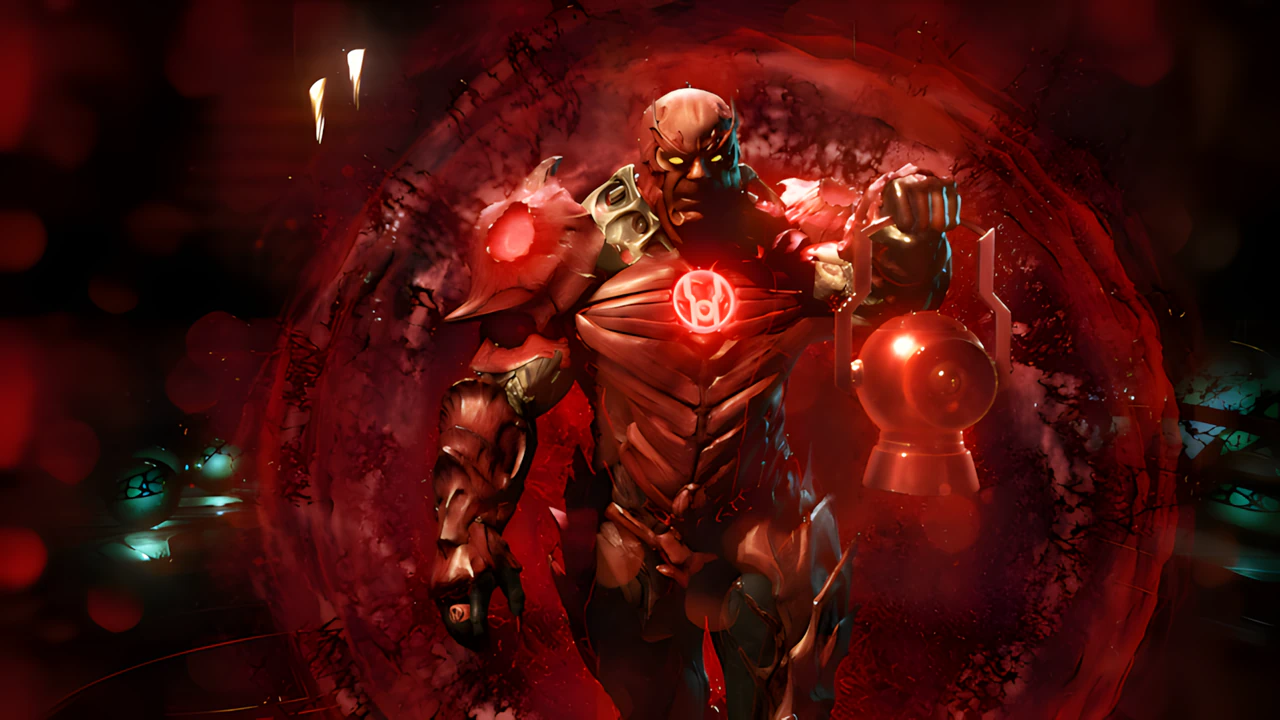
These characters are not just cosmetic additions — many of them introduce completely different playstyles, especially guest characters like Sub-Zero and Raiden, which bring mechanics inspired by the Mortal Kombat series.
The DLC also expands the overall experience by increasing character variety and replayability, particularly for players interested in experimenting with different fighting styles.
Among the extra characters, I didn’t test many, but the Teenage Mutant Ninja Turtles stood out as one of the most interesting additions. They share a common base moveset, including standard abilities and a shared super move, but each turtle features unique attacks and combo variations based on their individual weapons.
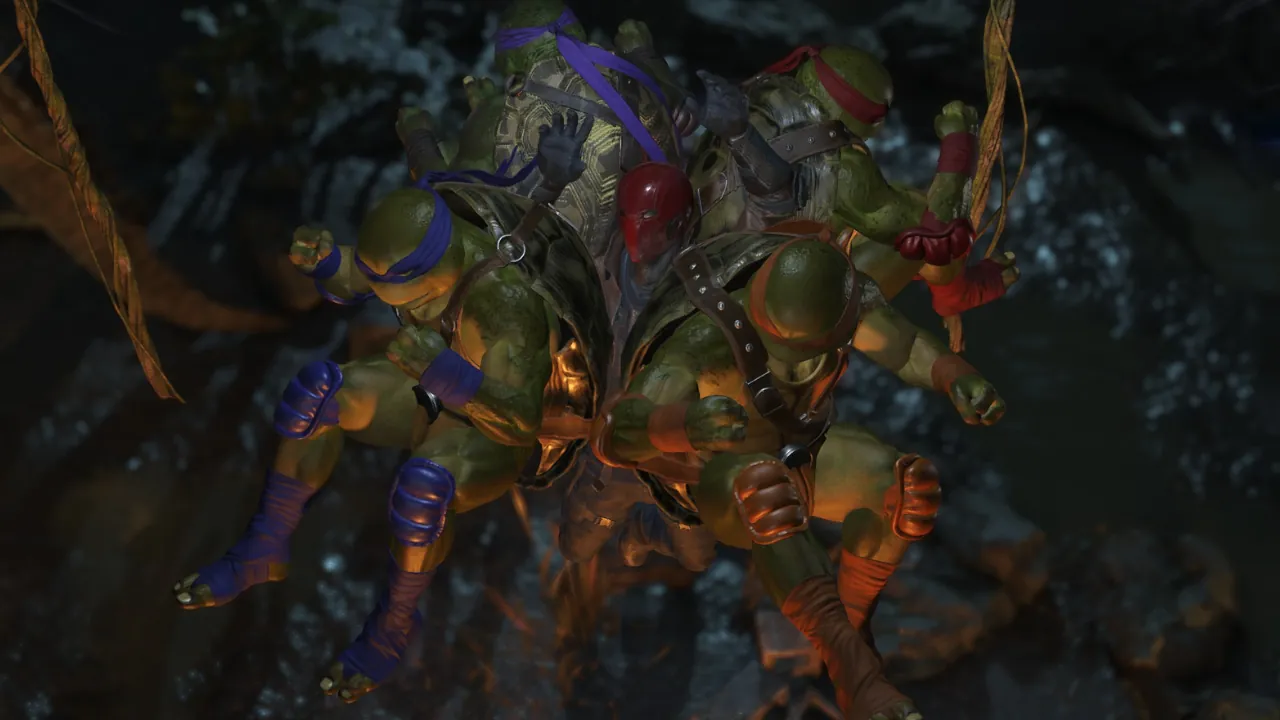
Even their character abilities differ, which directly impacts how each one plays in combat. Depending on your playstyle, you may prefer one turtle over the others, as they offer noticeably different approaches despite being grouped as a single character.
In the Legendary Edition, all DLC characters are included by default, making it the most complete version of the game.
Pro Tip: Use the Move List Tag System
One useful feature that many players overlook in Injustice 2 is the ability to tag moves directly in the move list, allowing them to stay visible on the screen during gameplay or practice mode.
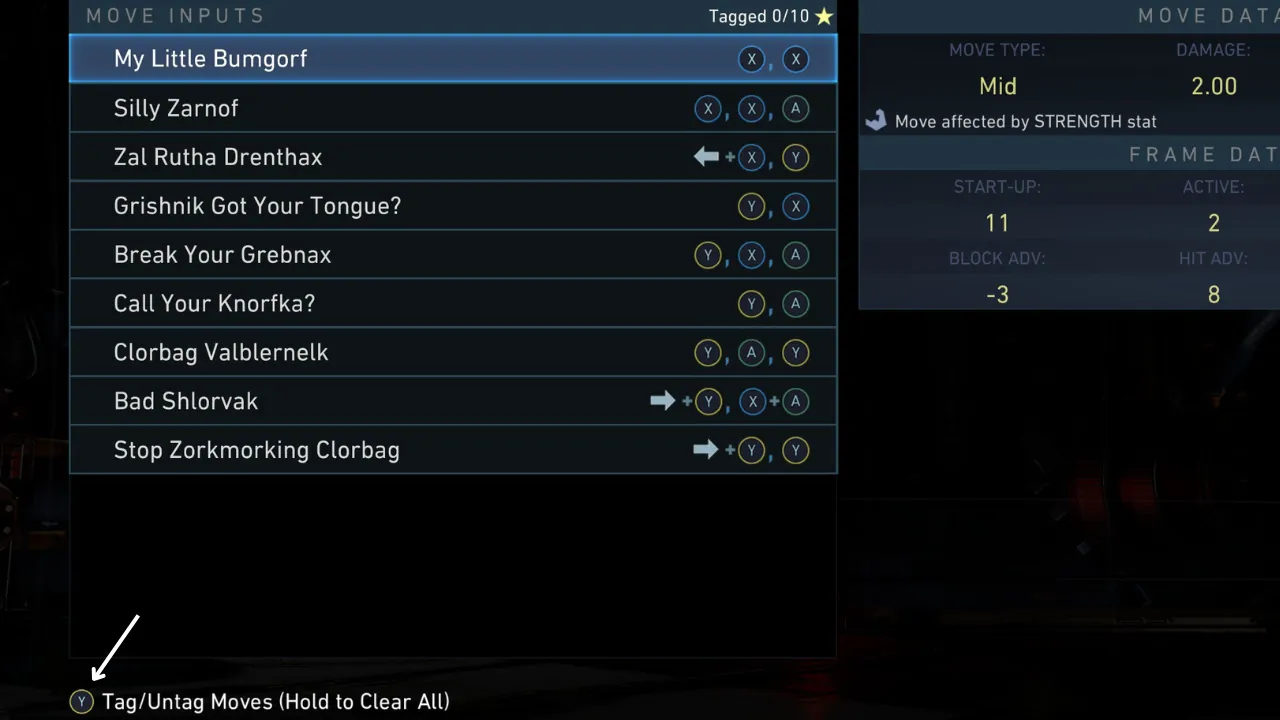
By tagging specific combos, you can create a custom list of up to 10 moves, making it much easier to practice and execute them consistently during gameplay.
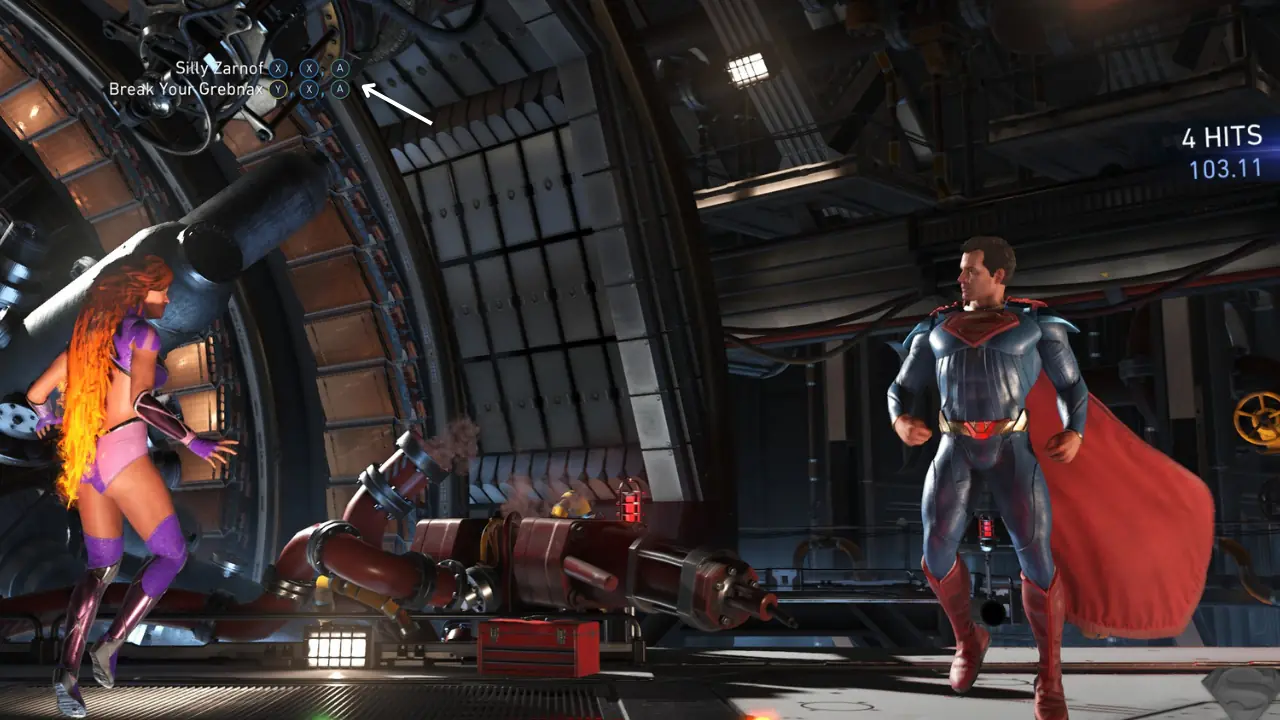
This is especially helpful for beginners who are still getting used to combo timing, but it also benefits more experienced players when learning new characters or optimizing damage output.
Instead of repeatedly opening the move list, you can keep your most important combos visible and focus entirely on improving execution.
Price and Value for Money
In terms of value, Injustice 2 offers a solid amount of content, including story mode, multiplayer, and character customization.
However, the base version may feel limited, especially for players focused only on the campaign. The Legendary Edition, which includes all DLC characters, provides a much more complete experience.
Given how often the game goes on sale, it is generally more worthwhile to purchase it at a discounted price.
Where to Buy Injustice 2 or Legendary Edition
Get Injustice 2 or Legendary Edition through the links below and support my work at no additional cost.


Final Verdict
Injustice 2 successfully combines cinematic storytelling, accessible combat, and a unique gear system that adds depth to the experience.
While it may lack innovation in some areas and faces limitations in its multiplayer activity, it still delivers a solid overall package.
Ultimately, the game is best suited for casual players, DC fans, and those looking for a visually engaging fighting experience.
If you want to see more of the game in action, you can check out my YouTube playlist for full gameplay and additional moments from my playthrough.
FAQ (Frequently Asked Questions)
Is Injustice 2 crossplay?
No, Injustice 2 does not support crossplay. Players on different platforms (PC, PlayStation, Xbox) cannot play together online.
Is Injustice 2 offline?
Yes, Injustice 2 can be played offline. You can access story mode, local versus matches, and practice mode without an internet connection.
Is Injustice 2 good?
Yes, Injustice 2 is considered a good fighting game, especially for fans of DC characters. It was praised for its story, visuals, and customization system, although some players criticize the grind and loot system.
Is Injustice 2 multiplayer?
Yes, the game features both local and online multiplayer mode, allowing players to fight against others either offline or online.
Is Injustice 2 a prequel?
No, Injustice 2 is a sequel to Injustice: Gods Among Us, continuing the story after the fall of Superman’s regime.
Is Injustice 2 on PS5?
There is no native PS5 version, but Injustice 2 is playable on PS5 via backward compatibility.
Is Injustice 2 on Game Pass?
Yes, Injustice 2 has been available through Xbox Game Pass, depending on the current catalog rotation.