

Table of Contents
Introduction
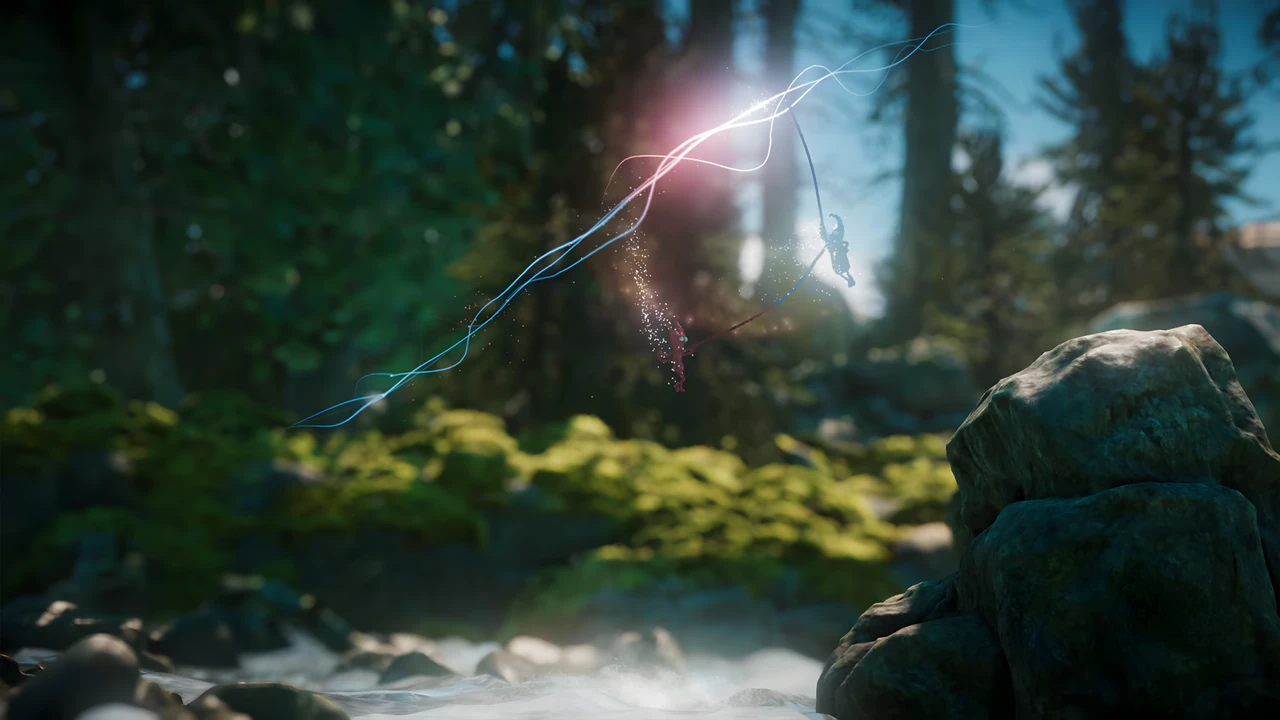
Unravel Two Review takes a closer look at a puzzle-platformer that expands the original game’s yarn-based mechanics by introducing a second Yarny and a much stronger focus on cooperation.
Developed by Coldwood Interactive, Unravel Two follows two small yarn creatures connected by a single thread as they travel through a new journey built around teamwork, movement, and environmental puzzles. Unlike the first game, which focused more heavily on memories from the past, this sequel places greater emphasis on a present-day journey centered around friendship, cooperation, and hope.
The biggest change is the addition of the second Yarny. Two players can control the characters together in local co-op, while solo players can switch between them or temporarily combine both characters when necessary. This directly changes how puzzles and platforming work, since many obstacles require the Yarnys to support each other, create bridges, swing between positions, or reach areas that would be impossible for a single character.
The game keeps many of the ideas that defined the original Unravel, but the two-character system makes movement and puzzle solving more dynamic. If you want to see how these mechanics began and how the first game approached Yarny’s more personal journey, you can read my Unravel Review.
Players familiar with the original will immediately recognize the emphasis on yarn-based movement, environmental storytelling, and puzzle-platforming, but playing the first game is not required to understand Unravel Two. Its story is largely independent and presented subtly through visual scenes and background events.
Throughout this review, I will look at Unravel Two’s story, co-op and solo gameplay, two-Yarny mechanics, puzzle design, environments, difficulty, collectibles, game length, replay value, and whether it is still worth playing today.
Story and Emotional Themes
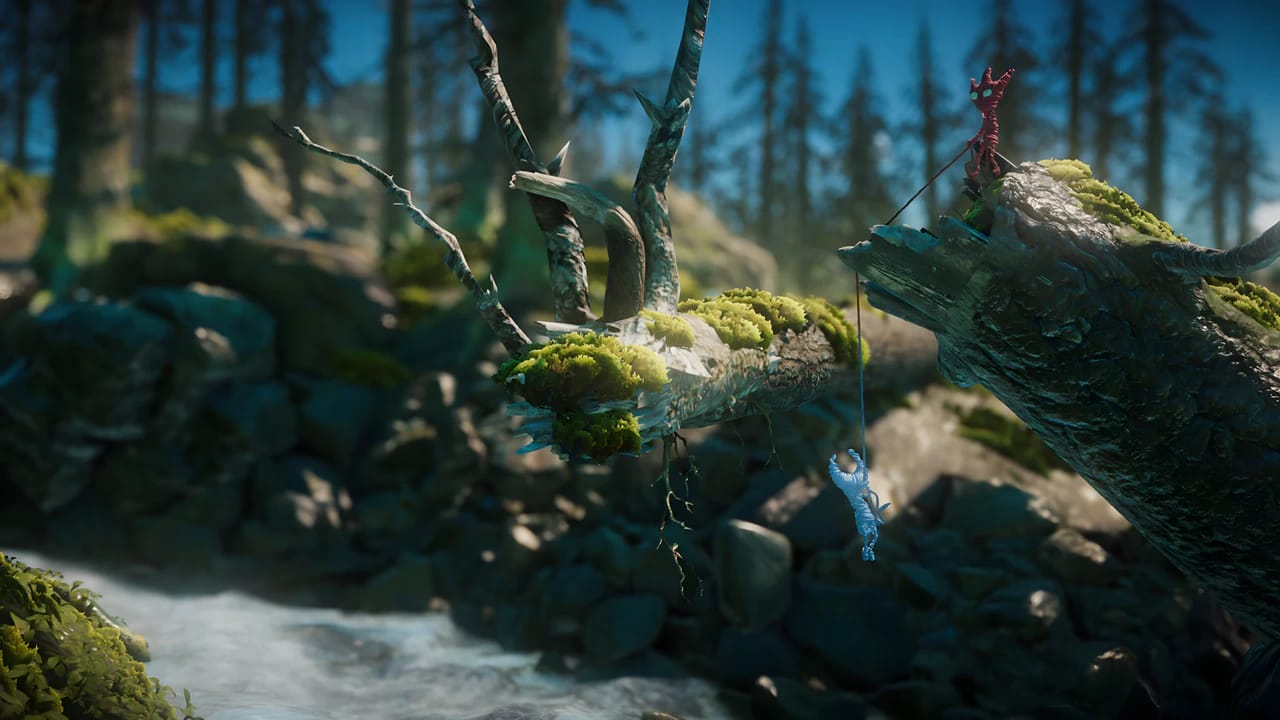
The story of Unravel Two is built around two Yarnys who are connected by a single thread and move through the world together. While the original Unravel focused more heavily on memories and the past, the sequel shifts toward a present-day journey centered on cooperation, friendship, growth, and hope.
The narrative is not presented through long conversations or traditional exposition. Instead, much of the story appears through visual scenes and events happening in the background, allowing the player to understand the emotional direction of the journey without interrupting the platforming and puzzle solving.
This makes the relationship between the two Yarnys especially important. Their physical connection through the thread also works as a visual representation of the game’s central themes: supporting one another, staying connected, and overcoming obstacles together.
The story is largely independent from the first game, so previous knowledge of Unravel is not required. However, players familiar with the original will notice that the sequel keeps the same emotional approach while changing the focus from a more solitary journey to one built around companionship.
Rather than making the story the main source of progression, Unravel Two allows its themes to develop alongside the gameplay. The emotional meaning comes from the combination of the two Yarnys, the situations shown in the background, and the constant need for cooperation throughout the adventure.
This gives Unravel Two a different tone from the first game. It remains reflective and emotional, but the presence of a second Yarny makes the journey feel less isolated and places much greater emphasis on partnership.
How Unravel Two Changes the Original Formula
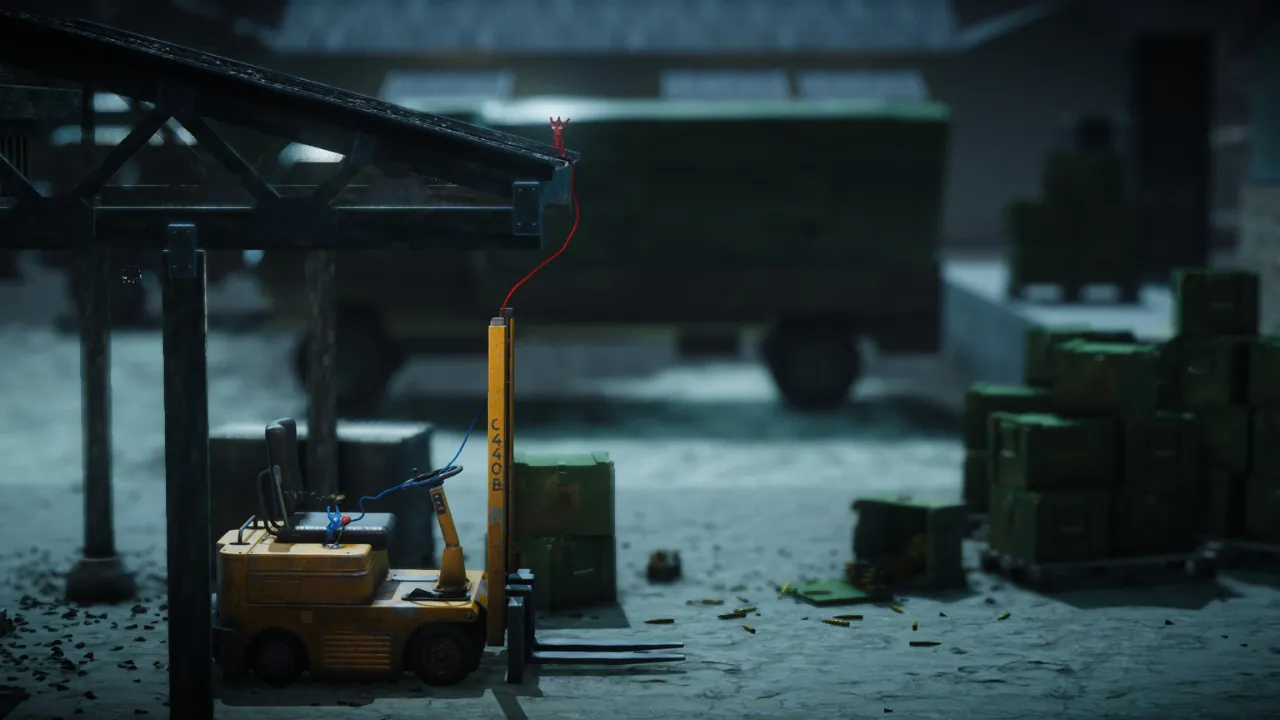
The biggest change in Unravel Two is the introduction of a second Yarny. While the first game was built around controlling a single character, the sequel redesigns many of its puzzles and platforming challenges around two characters connected by the same thread.
This changes the rhythm of the game considerably. Instead of using yarn only to swing, create bridges, or interact with objects, the player can now use one Yarny to support the other. The two characters can separate to solve different parts of a puzzle, reconnect when necessary, and even temporarily combine so that only one needs to be controlled during simpler sections.
The sequel also introduces additional movement possibilities built specifically around the partnership. One Yarny can help launch the other toward a higher platform, the connecting thread can be used for climbing, and the characters can swing using each other as part of more complex platforming sequences.
These additions make traversal feel more dynamic than in the original game. The basic idea of using yarn to interact with the environment remains familiar, but having two characters creates more ways to approach obstacles and gives the level design additional opportunities to combine movement with puzzle solving.
The change also affects the overall identity of the game. The original Unravel felt much more like a solitary journey, while Unravel Two constantly reinforces the idea of cooperation through both its mechanics and its story.
At the same time, the sequel does not completely abandon what made the first game distinctive. Yarn-based movement, environmental interaction, physics-driven puzzles, and visual storytelling are still central to the experience. Unravel Two mainly expands those ideas by making cooperation part of nearly every major gameplay system.
Co-op and Solo Gameplay
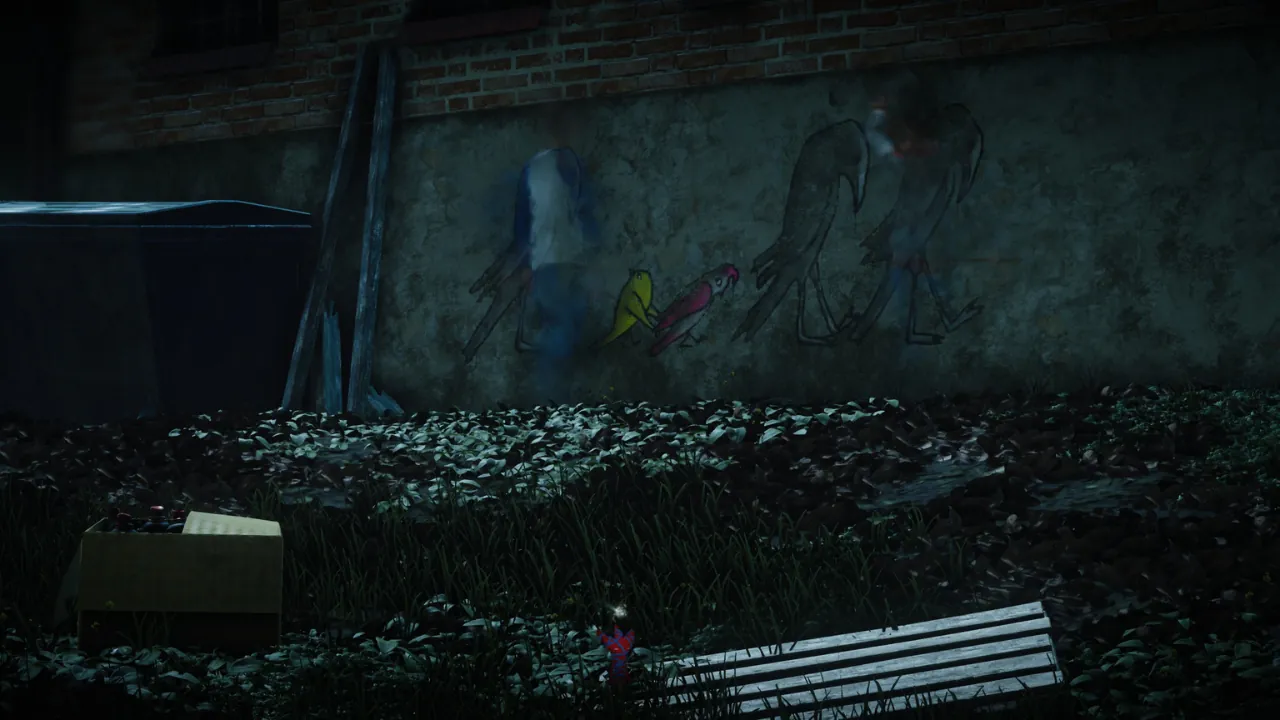
Unravel Two is designed around cooperation between its two Yarnys, but the entire adventure can also be completed alone. The basic mechanics remain the same in both cases, although controlling two characters changes how puzzles and platforming are approached.
When playing with another person, each player controls one Yarny. Many obstacles encourage both players to coordinate their movements, whether by creating bridges with the connecting thread, swinging each other across gaps, holding positions, or helping a partner reach another part of the level.
This cooperation becomes especially important during puzzles designed around the two-character system. One Yarny may need to remain anchored while the other moves forward, or both players may need to perform different actions before either character can progress.
Solo play handles the same situations differently. Instead of controlling both Yarnys simultaneously, the player can switch between them when necessary. The characters can also temporarily unite, allowing certain sections to be completed while controlling only one Yarny.
I experienced both ways of playing. I completed roughly half of the campaign with a friend before restarting the game and continuing alone, eventually spending around 19 hours with Unravel Two in total.
That makes the difference between the two approaches particularly noticeable. Cooperative play allows both Yarnys to act at the same time and puts more emphasis on communication, while solo play turns those same situations into character-switching puzzles where one Yarny often needs to be positioned before controlling the other.
Neither approach changes the core mechanics, but they create different rhythms. Playing with another person places more emphasis on coordination, while playing alone gives the player complete control over how and when each Yarny moves.
Because the sequel was built around the relationship between two characters, co-op feels especially natural, but the solo system ensures that the campaign remains fully playable for anyone who prefers to complete the journey alone.
Two-Yarny Mechanics and Puzzle Design
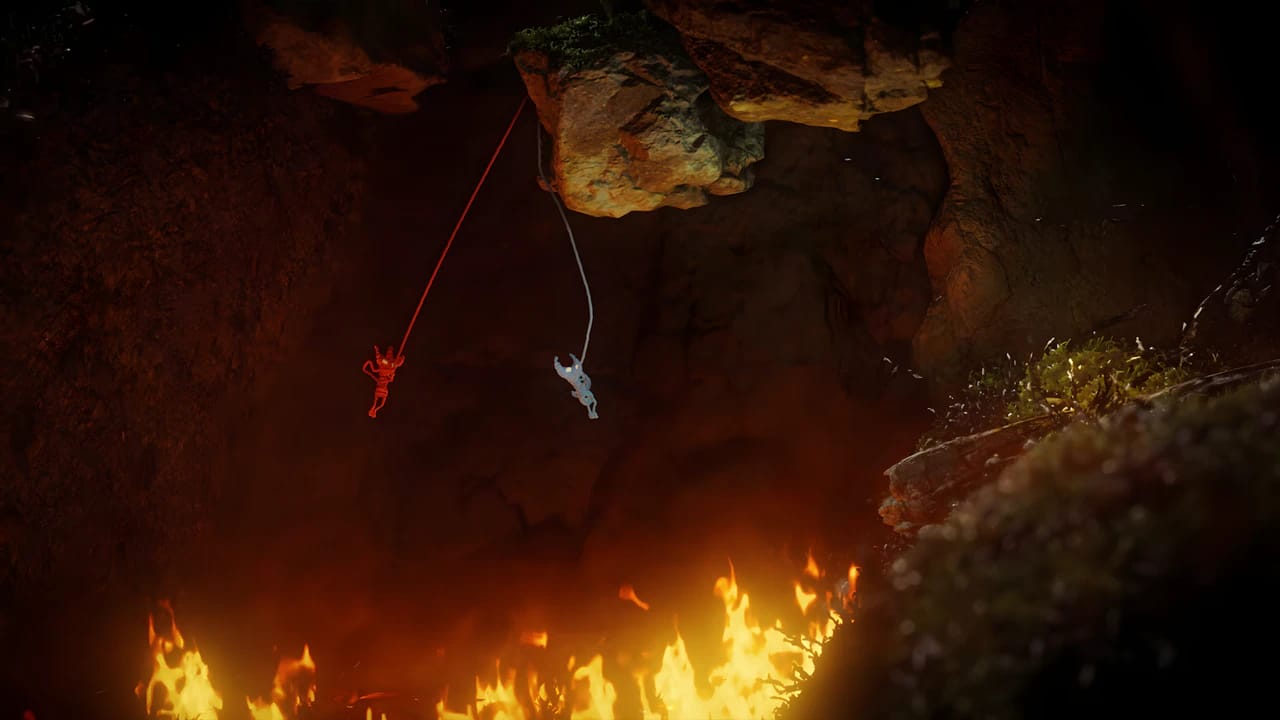
The two-Yarny system is the mechanical foundation of Unravel Two. Both characters remain connected by a single thread, and many puzzles are designed around positioning them in different parts of the environment before using that connection to move forward.
One Yarny can act as an anchor while the other swings across a gap, climbs to a higher position, or reaches an otherwise inaccessible platform. This turns the connecting thread into more than a visual link between the characters; it becomes an essential tool for traversal and puzzle solving.
The sequel also introduces movements that make better use of having two characters. One Yarny can help launch the other toward higher platforms, the thread can be used for climbing, and the characters can create pendulum-like movements by swinging from one another.
Some puzzles require the Yarnys to separate and perform different roles. One character may need to hold an object, maintain an anchor point, or remain in a specific position while the other moves through the environment. Progress often depends on understanding how both characters can contribute to the same solution.
The game also allows the Yarnys to temporarily combine, which simplifies sections where controlling two separate characters is unnecessary. This prevents the dual-character mechanic from becoming cumbersome during straightforward platforming while still allowing the game to separate them again when a puzzle requires cooperation.
These mechanics make puzzle solving more dynamic than in the first Unravel. Instead of thinking only about how Yarny can interact with the environment, the player also has to consider the position of the second character and how the thread between them can be used as part of the solution.
The puzzles remain approachable, but the two-character design gives the game more opportunities to combine timing, physics, positioning, and environmental interaction without abandoning the simple yarn-based mechanics that define the series.
Level Design and Environmental Variety
One of the strengths of Unravel Two is the variety of environments used throughout the campaign. The game moves between forests, rocky shores, urban areas, ruins, and other locations, giving each chapter a distinct atmosphere and visual identity.
These changes are not purely cosmetic. Different environments introduce new layouts, obstacles, and ways to use the two Yarnys, helping the platforming feel less repetitive even when the core mechanics remain familiar.
Natural areas tend to emphasize climbing, swinging, and navigating uneven terrain, while urban and industrial locations make greater use of machinery, structures, narrow spaces, and man-made objects as part of the puzzles.
The small scale of the Yarnys also makes ordinary environments feel much larger. Objects such as benches, pipes, fences, crates, and abandoned equipment can become platforms, barriers, or puzzle elements simply because of the characters’ size.
This works particularly well with the two-character system. Level layouts often create opportunities for one Yarny to hold a position while the other moves ahead, allowing the environment itself to become part of the cooperative challenge.
The visual transitions between locations also help reinforce progression. Moving from brighter outdoor areas to darker urban or industrial settings gives different sections of the campaign their own mood instead of making the adventure feel like a continuous sequence of similar stages.
Although the fundamental yarn mechanics remain consistent, the variety in scenery and level structure gives Unravel Two enough environmental change to keep the journey visually and mechanically interesting.
Graphics, Art Direction, and Atmosphere
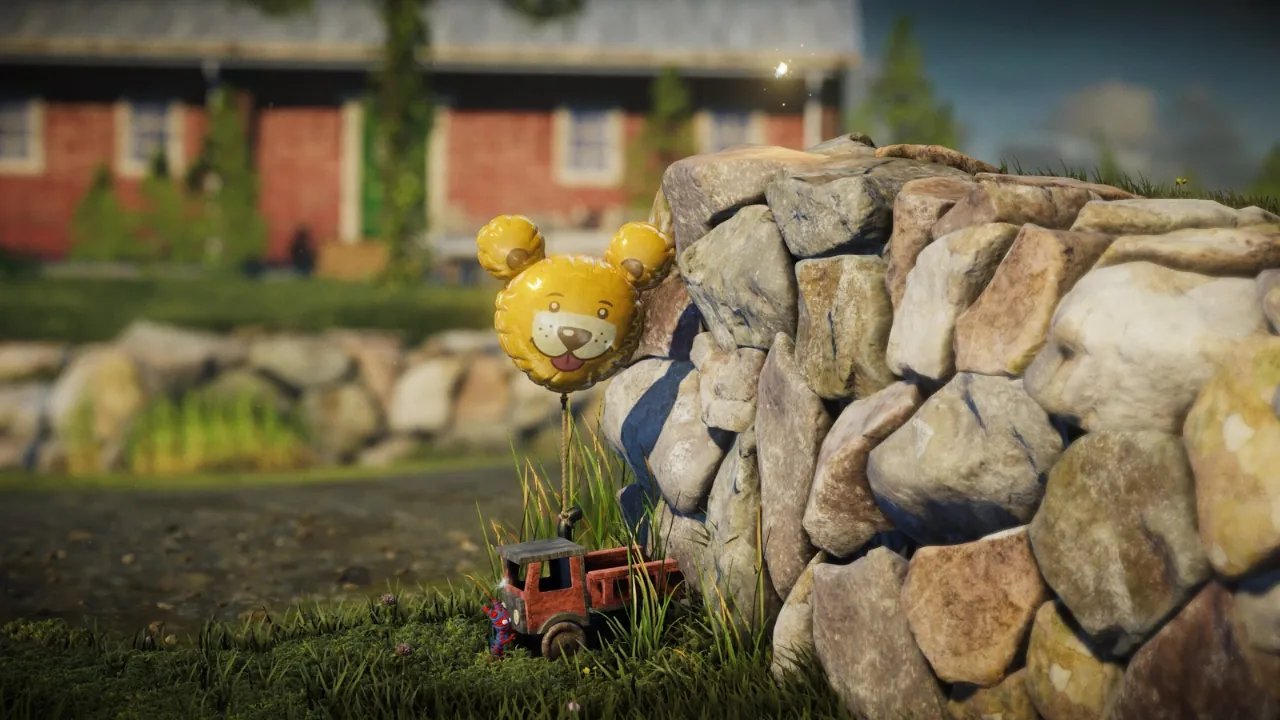
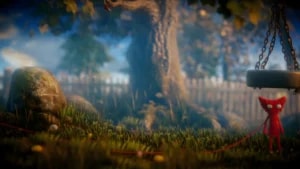
Unravel Two has a distinctive visual style built around the contrast between its small Yarny characters and much larger, highly detailed environments. Ordinary locations become imposing when viewed from their perspective, giving the game a strong sense of scale throughout the journey.
The environments also change considerably between chapters. Forests, rocky areas, urban locations, ruins, and industrial spaces give the campaign different visual identities while maintaining a consistent art direction.
Natural areas tend to feel warmer and more peaceful, with vegetation, sunlight, and open scenery surrounding the Yarnys. Urban and industrial sections create a different atmosphere, using darker lighting, concrete structures, machinery, abandoned objects, and more enclosed spaces.
Lighting plays an important role in establishing these moods. Brighter outdoor scenes can feel calm and almost picturesque, while darker environments create more tension and make the Yarnys appear even smaller against the surrounding structures.
The characters themselves remain visually simple compared with the detailed world around them. Their bright yarn colors make them easy to identify against complex backgrounds while preserving the handmade aesthetic established by the original game.
The small scale of the Yarnys also allows the game to turn everyday objects into visually interesting scenery. A forklift, bench, pipe, wooden bridge, or piece of abandoned machinery can become a major part of a level simply because of how large it appears relative to the characters.
This combination of realistic-looking environments and stylized Yarny characters gives Unravel Two much of its visual personality. Even when the core gameplay remains focused on puzzles and platforming, the changing scenery and atmosphere help make each part of the journey feel distinct.
Difficulty and Accessibility
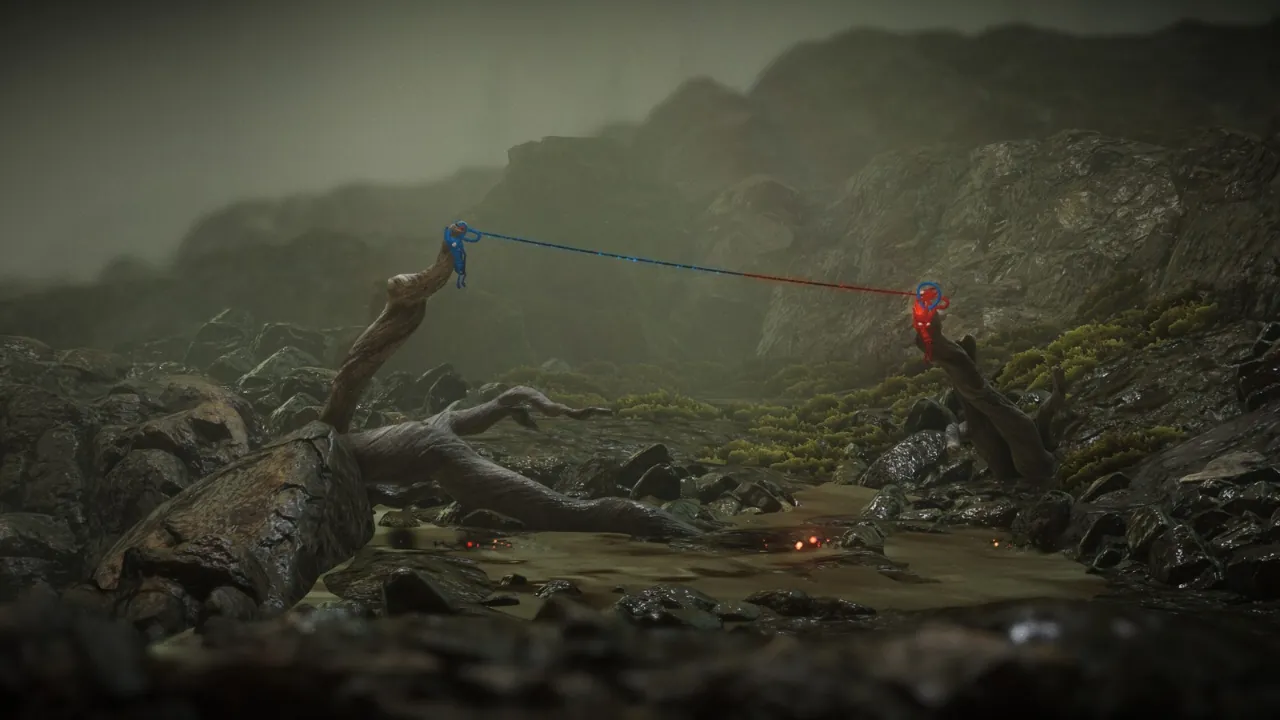
Unravel Two is generally an easy and accessible game, especially when progressing through the main story. The platforming and basic mechanics are simple to understand, making the campaign approachable even for players who do not usually play puzzle-platformers.
Most story levels give players enough time to understand the environment and experiment with the two Yarnys before demanding precise execution. Mistakes are rarely heavily punished, which helps maintain the relaxed tone of the game.
The puzzles can occasionally require more thought, particularly when both Yarnys need to be positioned correctly or when the solution depends on coordinating several movements. Even then, I never felt that the main campaign became excessively difficult.
In my experience, the story itself was quite accessible and easy to progress through. The more demanding parts were the optional challenges, which could be noticeably more frustrating and require better timing, coordination, and understanding of the movement mechanics.
This creates a useful separation between the main campaign and the additional content. Players who simply want to experience the story can do so without facing a particularly high difficulty barrier, while those looking for something more demanding can attempt the optional challenge levels.
Because of this, Unravel Two works well for both less experienced players and people already familiar with platformers. The main journey remains approachable, while the harder challenges provide additional difficulty for players who want it.
Collectibles and Optional Challenges
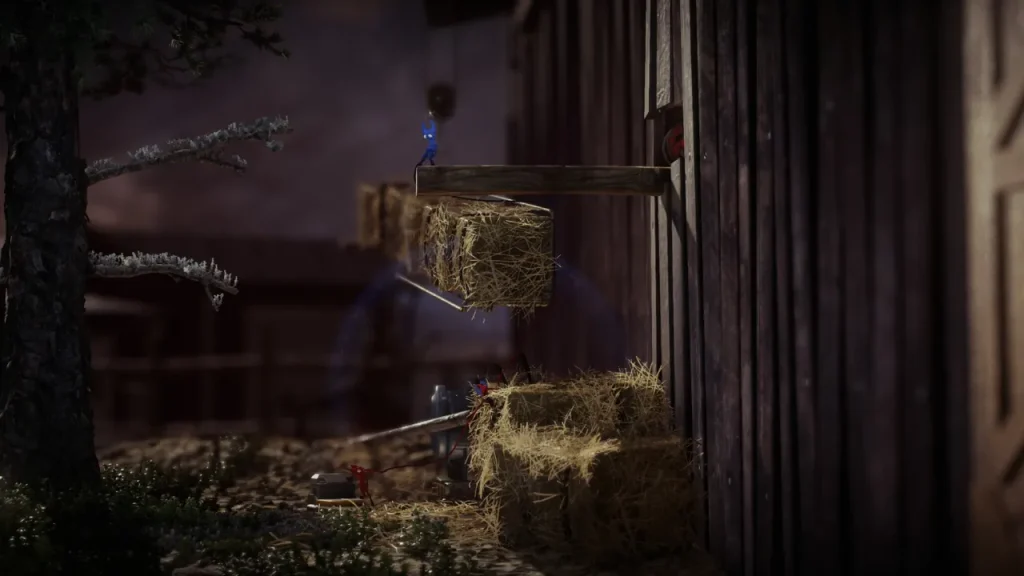
Beyond the main story, Unravel Two gives players additional reasons to explore its levels through hidden collectibles and optional challenges.
While progressing through each chapter, players can find small collectible items hidden in harder-to-reach locations. In the original review, these are described as badge-like coins, usually placed in more strategic parts of the level and often requiring extra exploration or more careful platforming to reach.
These collectibles encourage players to look beyond the most direct route. Since many of them are placed away from the main path, finding them often means paying closer attention to the environment and using the Yarnys’ movement abilities more creatively.
The optional challenges provide a different type of extra content. Compared with the main campaign, they can demand better timing, more precise movement, and a stronger understanding of how the two Yarnys work together.
In my experience, this is where the difficulty becomes more noticeable. The story itself is quite accessible, but some of the optional challenges can be considerably more demanding and occasionally a little frustrating.
After completing the main story, the game does not introduce entirely new modes. Most of the additional content comes from revisiting previous stages, completing side challenges, and collecting items that were missed during the first playthrough.
Because of this, the extra content is best suited to players who enjoy completion, platforming challenges, and replaying levels with a clearer understanding of the movement mechanics. Players focused only on the story can comfortably finish the main campaign without needing to complete everything.
Game Length and Replay Value
Unravel Two is a relatively short game if you focus only on the main campaign, but its total playtime can increase significantly depending on how much optional content you complete and whether you revisit levels.
According to the estimate referenced in my original review, the main story takes around 5 hours, while completing the campaign together with additional content can bring the total closer to 7.5 hours.
My own playthrough was considerably longer. I initially played roughly half of the campaign with a friend, but later restarted the game and completed it alone. Because of that, I spent around 19 hours with Unravel Two in total.
That experience also gave me the opportunity to approach many of the same puzzles in two different ways. Playing with another person emphasizes communication and coordination, while solo play requires switching between the Yarnys and managing both positions yourself.
Replay value mainly comes from returning to previous chapters, searching for missed collectibles, and completing optional challenge levels. The game does not unlock a completely different campaign or major additional modes after the story, so most post-game content is based on mastering what is already available.
The optional challenges provide the strongest reason to keep playing after the campaign. Since they can be noticeably more demanding than the story levels, they give players who found the main adventure easy an opportunity to test their platforming and two-Yarny coordination more seriously.
Collectibles also encourage revisiting stages, particularly for players who enjoy completion. Some are placed in harder-to-reach areas, giving you a reason to explore sections you may have passed quickly during the first playthrough.
For players focused only on the story, one playthrough will probably be enough. However, those who enjoy the movement mechanics, optional challenges, collectibles, or experiencing the difference between solo and cooperative play can get considerably more time out of Unravel Two.
Strengths and Weaknesses
After completing Unravel Two, I think its biggest strengths come from the cooperative mechanics, accessible puzzle design, and the way the two Yarnys interact with each other and the environment.
Strengths
- Strong co-op design: Playing with another person makes many puzzles feel more natural, since both Yarnys can move independently and coordinate actions in real time.
- Fully playable solo: The game also works well alone, allowing the player to switch between the Yarnys or temporarily combine them when controlling both separately is unnecessary.
- Creative two-Yarny mechanics: Swinging from each other, launching one character toward a higher platform, climbing with the connecting thread, and using one Yarny as an anchor give the sequel more mechanical variety than the original.
- Accessible main campaign: The story levels are generally easy to progress through and remain approachable even for players who are not highly experienced with platformers.
- More challenging optional content: The additional challenge levels provide a noticeable increase in difficulty for players who want something more demanding after the main campaign.
- Varied environments: Forests, rocky shores, urban locations, and ruins help prevent the journey from feeling visually repetitive.
- Good replay opportunities: Collectibles, optional challenges, and the ability to approach the game in both co-op and solo give players several reasons to revisit levels.
Weaknesses
- Main story can feel too easy: Players looking for demanding platforming may find most of the campaign relatively simple.
- Optional challenges can be frustrating: The difficulty increase between the story and some optional sections can be noticeable, especially when more precise timing or coordination is required.
- Core mechanics remain similar throughout the game: Although levels and puzzles change, most challenges continue to rely on the same basic two-Yarny movement and thread systems.
- Limited post-game content: After finishing the story, additional play mainly consists of revisiting stages, completing challenges, and collecting missed items rather than unlocking entirely new modes.
- Solo play loses some of the cooperative appeal: The campaign remains fully functional alone, but certain puzzles naturally feel more engaging when two players are controlling the Yarnys independently.
For me, the strengths outweigh the weaknesses. Unravel Two succeeds because its cooperative mechanics are simple to understand but flexible enough to support a wide range of puzzles and platforming challenges. The main campaign is accessible, while the optional content provides additional difficulty for players who want more from the movement system.
Is Unravel Two Worth Playing Today?
Unravel Two is still worth playing today, especially for players looking for an accessible puzzle-platformer that can be enjoyed either alone or with another person.
Its biggest strength remains the relationship between the two Yarnys. Having two characters connected by the same thread creates more possibilities for movement and puzzle solving than in the original game, with mechanics built around anchoring, swinging, climbing, launching one Yarny toward another area, and coordinating both characters to overcome obstacles.
The cooperative experience is particularly well suited to the game. Each player can control one Yarny and work together during puzzles and platforming sections, which makes communication and coordination part of the gameplay rather than simply allowing a second player to join.
Solo players are not excluded, however. The entire adventure can also be completed alone by switching between the two Yarnys or temporarily combining them when controlling both separately is unnecessary.
I experienced both approaches because I initially played around half of the campaign with a friend before restarting and completing the game alone. That gave me around 19 hours of total playtime and showed me that the game works in both formats, even though cooperation naturally gives the two-Yarny concept more purpose.
The main campaign is also very accessible. I found the story levels relatively easy, making Unravel Two a good option for players who want a more relaxed platforming experience. Those looking for additional difficulty can instead focus on the optional challenges, which can require more precise movement and be considerably more demanding.
Visually, the varied forests, rocky shores, urban environments, ruins, and other locations help keep the adventure interesting despite the core mechanics remaining consistent throughout the campaign.
Replay value is not enormous for players interested only in the story, but optional challenges, collectibles, and the possibility of experiencing the campaign in both solo and cooperative play provide reasons to return.
For me, Unravel Two is easy to recommend today, particularly as a relaxed game to play with another person. It does not demand extremely fast reactions or punish the player heavily during the main campaign, while its optional content offers more challenging platforming for those who want it.
If you enjoy puzzle-platformers, cooperative games, or simply want something calmer to play without constantly worrying about difficulty, Unravel Two remains a solid choice.
Conclusion
Unravel Two is the kind of game I would describe as a good choice to simply relax and enjoy without constantly worrying about difficulty, reaction speed, or how long a session lasts.
Its strongest point is the way the two Yarnys work together. The cooperative mechanics fit naturally into the puzzles and platforming, while solo play remains completely viable for players who prefer to control both characters themselves.
I also appreciated how accessible the main campaign is. Most of the story can be completed without excessive difficulty, making the game easy to recommend even to players who are not particularly experienced with platformers. The optional challenges provide a better test for those who want something more demanding.
Visually, the varied environments and small scale of the Yarnys give the adventure plenty of personality, while the puzzle design keeps the focus on movement, cooperation, and environmental interaction rather than fast or stressful gameplay.
Having played part of the campaign with a friend and later restarting it to finish alone, I found that Unravel Two works well in both formats, although the cooperative experience makes the two-character concept feel more natural.
I would recommend Unravel Two to fans of puzzle-platformers and especially to anyone looking for a game to play with another person. Players who enjoyed cooperative titles such as It Takes Two may also find some familiar appeal here, although the two games are very different in scope, structure, and complexity.
Overall, Unravel Two is an accessible, relaxing, and creative puzzle-platformer that remains easy to recommend, particularly for players who value cooperation more than difficulty.
If you want to see the game in action, you can watch my full Unravel Two gameplay playlist on YouTube.